IHRN Executive Committee
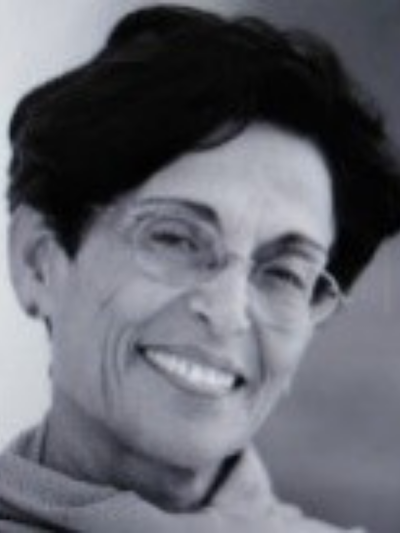
Zohra ben Lakhdar Akrout, Tunisia
Zohra ben Lakhdar Akrout received her Ph.D. in physics in 1978 from the University of Paris VI in France. She has conducted research at the Faculty of Science in Tunis, as well as in many African countries. Her laboratory—LSAMA: Laboratoire de spectroscopie Atomique, Moleculaire et Applications became part of a Laboratoire International Associé (LIA) with Centre National de Recherche Scientifique en France (CNRS)-France in 2004. She is a member of various scientific academies, including the Islamic World Academy of Sciences (IAS), The World Academy of Sciences (TWAS), the African Academy of Sciences (AAS), and the Académie Tunisienne des Sciences des Lettres et des Arts (BAH). She developed, within the framework of UNESCO, a project on Active Learning in Optics and Photonics (ALOP) for physics education trainers in developing countries. She leads the CESAME project - Centre d’Education à la Science en Afrique-région Méditerranéenne et Europe - and UNICEF’s école 2eme chance project for students 12-18 years old in Tunisia. Her numerous awards include the L'Oréal-UNESCO for Women in Science Award for her experiments and models on infrared spectroscopy and its applications to pollution detection and medicine, the Scopus Award for scientific contribution in research (Elsevier), Les Palmes Académiques du CNRS, and the 2008 Chevalier de l’Ordre National du Mérite (France).
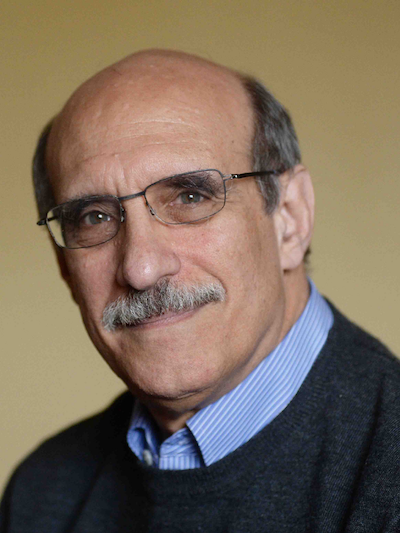
Martin Chalfie, United States of America
Martin Chalfie is University Professor and former Chair of the Department of Biological Sciences at Columbia University. He is a member of the U.S. National Academy of Sciences and the U.S. National Academy of Medicine, where he chairs the Committee on Human Rights. He obtained both his AB and PhD from Harvard University. Dr. Chalfie is a fellow of the American Academy of Arts and Sciences, the American Association for the Advancement of Science, and the Royal Society of Chemistry (Hon.). He has received numerous awards for his work, such as the 2006 Lewis S. Rosenstiel Award for Distinguished Work in Basic Medical Science from Brandeis University and the 2008 E. B. Wilson Medal from the American Society for Cell Biology, both of which he shared with Roger Tsien. In 2008, he shared the Nobel Prize in Chemistry for his introduction of Green Fluorescent Protein (GFP) as a biological marker with Osamu Shimomura and Roger Tsien.
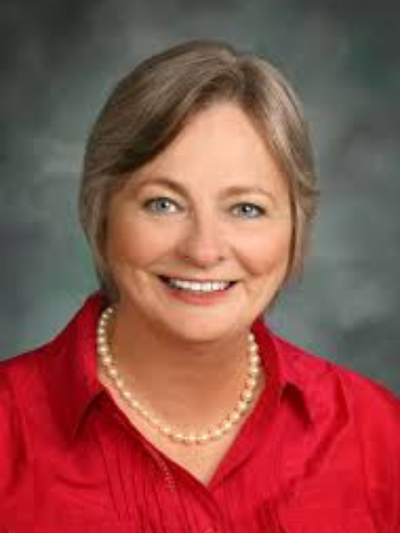
Carol Corillon, United States of America
Carol Corillon serves as an honorary member of the Network in recognition of her role as executive director of the International Human Rights Network of Academies and Scholarly Societies from 1993 to 2016. Formerly, she was the Director of the Committee on Human Rights of the U.S. National Academies of Sciences, Engineering, and Medicine and Executive Director of Friends of the Israeli-Palestinian Science Organization, USA. From 1980 to 1984 she worked for the National Research Council's Committee on the Sahel and, from 1970 to 1980, as a freelance print and broadcast journalist in the Democratic Republic of the Congo, working for BBC radio, The Economist, and other publications.
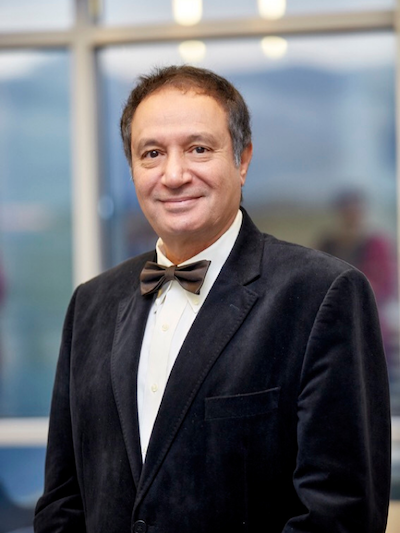
Abdallah S. Daar, Oman/Canada
Abdallah S. Daar is professor of clinical public health, global health, and surgery at the University of Toronto. His work has encompassed surgery, organ transplantation, bioethics, and global health. His major research focus is on the use of life sciences to ameliorate global health inequities, with a particular focus on building scientific capacity and increasing innovation in developing countries, in addition to studying how life saving technologies and interventions can be rapidly taken from “lab to village.” He is a fellow of TWAS, the African Academy of Sciences, the Islamic World Academy of Sciences, the Royal Society (Canada), and the Stellenbosch Institute for Advanced Study. He is on the board of the World Diabetes Foundation and chairs the Scientific Advisory Boards of Grand Challenges Africa and the Alliance for Accelerating Excellence of Science in Africa, under which a new research funding organization, Grand Challenges Africa, has been created. He is the holder of UNESCO's Avicenna Prize for Ethics of Science.
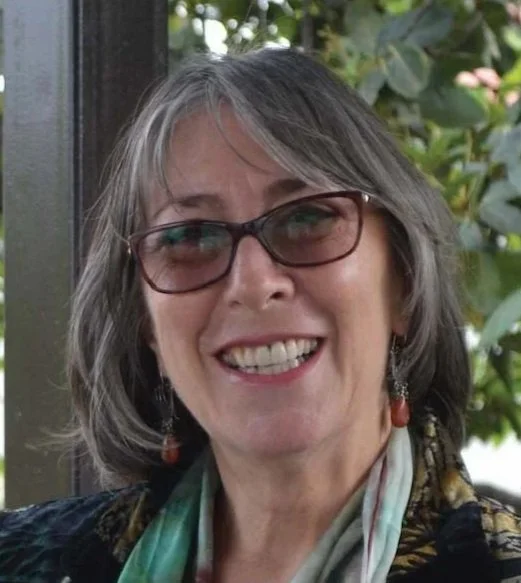
Gabriela Dutrénit, Mexico
Gabriela Dutrénit is an economist with a PhD in Science and Technology Research Studies from the University of Sussex, UK. She is a distinguished professor at the Universidad Autónoma Metropolitana (UAM), and participates in the Master’s and PhD Program in Economics, Management and Innovation Policy at this University in Mexico. In addition to her extensive published work and instruction of numerous university courses, she has coordinated several evaluations of science, technology and innovation (STI) policies in Mexico, and has provided advice to various international organizations on STI issues and development processes, such as UNESCO, IDB, OECD, UNCTAD, ILO, among others. Gabriela has been appointed emeritus researcher of the National System of Researchers and is a regular member of the Mexican Academy of Science (AMC), as well as founding member of the AMC's Human Rights Commission. In addition, she is vice president of the Latin American Network for Economics of Learning, Innovation, and Competence Building Systems (LALICS).
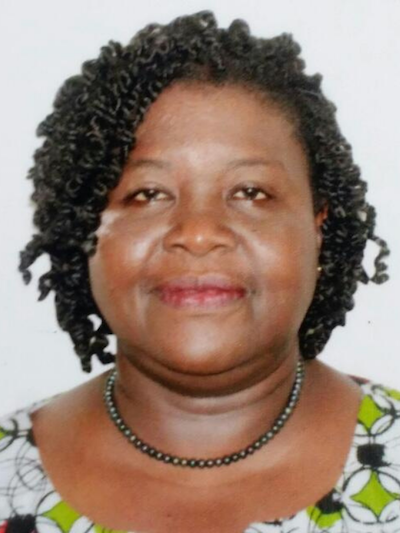
RoseEmma Mamaa Entsua-Mensah, Ghana
RoseEmma Mammaa Entsua-Mensah holds a Ph.D. in Fisheries Science from the University of Ghana. She is a Fishery Scientist and an Aquatic Ecologist and served as Chief Research Scientist and Deputy-Director General at the Council for Scientific and Industrial Research, Ghana from 2008-2018. She was one of the few African scientists involved with the Millennium Ecosystem Assessment (2004-2005), and she has to her credit over 100 publications. She was a member of the Fisheries Commission, Ghana from 2006-2008, of the Board of Trustees of the World Fish Centre (2012-2017), and of the African Women in Agricultural Research and Development International Steering Committee (2011-2017). She was awarded the Duke of Edinburgh Gold Award in 1978 and the Tonolli Memorial Award for Limnologists in 1994. In 2013, she was adjudged Africa’s Most Influential Woman in Agricultural Research for her work in fisheries by the Group Creating Excellence in Organizations in South Africa. She is a Fellow of the Ghana Academy of Arts and Sciences, and she is currently the Chair of the University of Ghana College of Basic and Applied Sciences Advisory Board.

Anne Ephrussi, France
Anne Ephrussi is Emerita Director and Senior Scientist of the European Molecular Biology Laboratory (EMBL). She is a member of the French Academy of Sciences, where she co-chairs the Committee for the Defence of Scientists (CODHOS), and Vice-President Elect of the Académie des Sciences; she is also a member of the U.S. National Academy of Sciences and of the German Academy of Sciences Leopoldina. Dr. Ephrussi obtained her AB from Harvard University and PhD from the Massachusetts Institute of Technology. A molecular, cellular and developmental biologist, her research has contributed to understanding how RNA molecules are transported and their translation into proteins regulated in space and time within cells. She is a member of the European Molecular Biology Organisation (EMBO) and of Academia Europaea, and was awarded the 2022 Feldberg Prize, the 2023 Society for Developmental Biology Lifetime Achievement Award, and the 2024 FEBS|EMBO Women in Science Award.
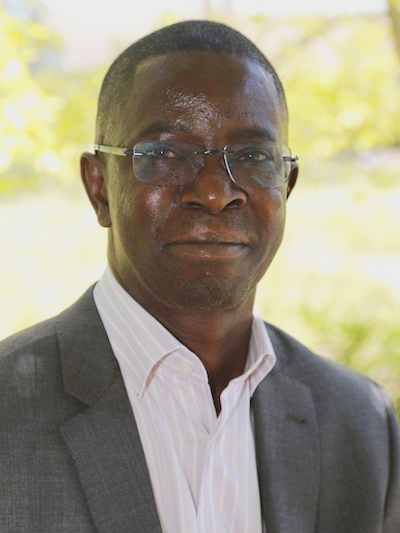
Edward K. Kirumira, Uganda
Edward Kirumira is a Professor of Medical Sociology and Director of the Stellenbosch Institute for Advanced Study (STIAS) Stellenbosch, South Africa. He is a Fellow of the Uganda National Academy of Sciences (UNAS) and a member of the Academy of Science of South Africa (ASSAf). His work focuses on HIV/AIDS, population and reproductive health, emergent diseases, and global health. He has extensive in-country experience in program development, management, and impact evaluation of several African countries. He has taken up technical advisory roles for organisations including UNAIDS, UNDP, UNFPA, the Swedish International Development Cooperation Agency, NORAD, and DANIDA. He studied at Makerere University (Uganda), University of Exeter, and the London School of Hygiene & Tropical Medicine (UK), Copenhagen University (Denmark), and Harvard University (USA). Before joining STIAS as Director, Dr. Kirumira was Principal of the College of Humanities and Social Sciences at Makerere University in Uganda and national Chair of the Central Coordination Mechanism for the Global Fund for HIV&AIDS, Malaria, and TB.
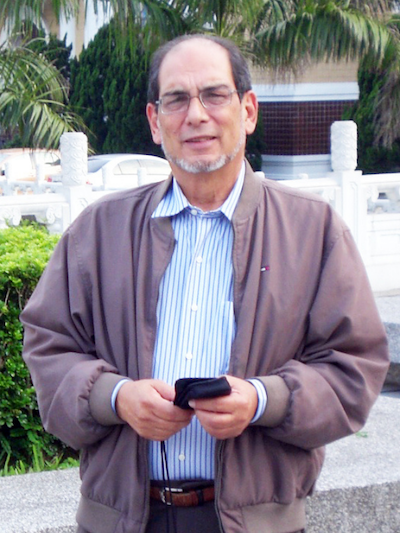
Pedro León Azofeifa, Costa Rica
Pedro Leon Azofeifa is a biologist and retired Professor of Cell Physiology at the Medical School of the University of Costa Rica. He is also the former President of the National Academy of Sciences of Costa Rica. He received his undergraduate degree from Baylor University and his doctorate from the University of Oregon. Dr. Leon’s research focuses on deafness genetics and bipolar affective disorders. He has long been active in the Costa Rican environmental community and peace movement. Dr. Leon was elected as a founding member of the National Academy of Sciences of Costa Rica, and he is a foreign associate of the Latin American Academy of Sciences (ACAL) and of the U.S. National Academy of Sciences.
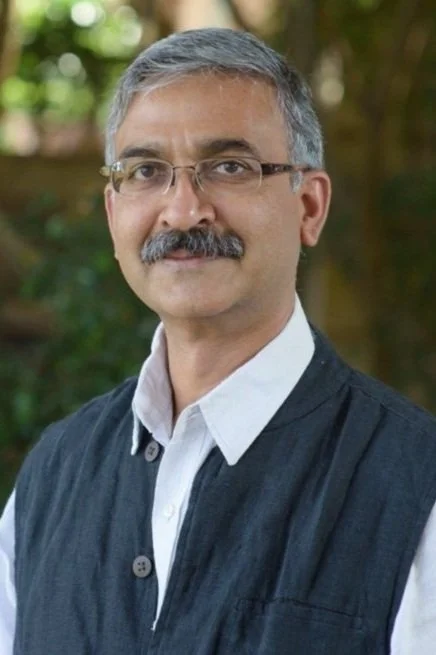
Satyajit ‘Jitu’ Mayor, India
Satyajit “Jitu” Mayor is a cell biologist and Distinguished Professor at the National Centre for Biological Sciences, a centre of the Tata Institute of Fundamental Research (TIFR) Bangalore, India. He is the Director of NCBS, and Chairperson of the Bangalore Life Science Cluster, a multi-institutional organization that he has helped create. Mayor studied Chemistry at the Indian Institute of Technology, Mumbai, India and obtained his Ph.D. in Life sciences from The Rockefeller University, New York, USA. Mayor studies the fine structure, function and dynamics of the membrane of living cells using methods derived from biology, chemistry, engineering, and physics. This has led him to explore how cells interpret information from their extracellular milieu, including the mechanical environment of cells in tissue contexts. His work has provided a new understanding of how membrane structure and composition are regulated in living cells, and a deeper perspective on the functioning and roles of non-clathrin endocytic pathways. Mayor has served on many national and international bodies, as well as founded community-focused organizations such as IndiaBioscience, and the Bangalore Sustainability Forum, that work to enrich the community of scientists. He is also an elected fellow of the TWAS (The World Academy of Sciences), Trieste as well as EMBO (European Molecular Biology Organization), Heidelberg.
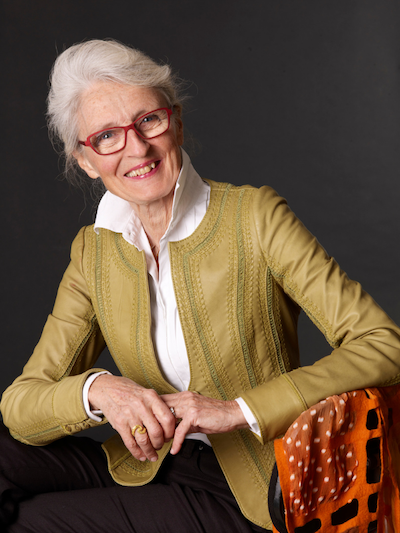
Ida Nicolaisen, Denmark
Ida Nicolaisen is Professor Emeritus of Cultural Sociology at Copenhagen University’s Nordic Institute of Asian Studies. She is Editor-in-Chief of the Carlsberg Nomad Research Project and former Vice-Chair of the Danish Development Agency. She has previously served as Vice-Chair of the United Nations Permanent Forum on Indigenous Issues and as Chair of the Soeren Kierkegaard Research Center. She serves on the boards of various organizations, including the International Chittagong Hill Tract Commission, World Wide Fund for Nature— Denmark, the All European Academies’ Ethical Commission, the Royal Danish Geographical Society, and the Israeli-Palestinian Science Organization. She is a member of the American Academy of Arts and Sciences, the American Philosophical Society, the Royal Danish Academy of Sciences and Letters, and the Palestinian Academy of Science and Technology, and she is a Knight of the Order of Dannebrog.
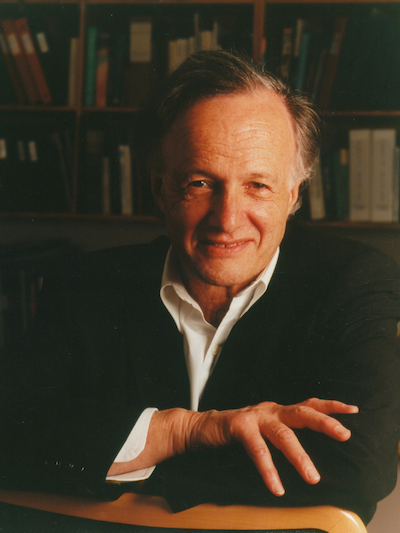
John Polanyi, Canada
John Polanyi is professor of chemistry at the University of Toronto. He is a member of the Royal Society of Canada. In 1960 he was founding chair of the Canadian Pugwash Group, where he remained chair until 1978. He has published over 100 articles on peace and human rights and is currently president of the Canadian Committee of Scientists and Scholars. In 1986 John Polanyi, Dudley Herschbach, and Yuan T. Lee were awarded the Nobel Prize in Chemistry “for their contributions concerning the dynamics of chemical elementary processes.”
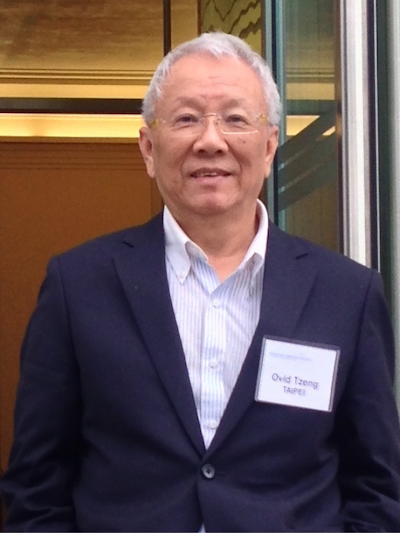
Ovid Tzeng, Taiwan
Ovid Tzeng is Chancellor of the University System of Taiwan. He is also an Academician of Academia Sinica, where he formerly served as Vice President. Dr. Tzeng established the University System of Taiwan to oversee the integration of research and teaching developments at Taiwan’s four top research universities. He has previously served as the Minister of Education, the Minister Without Portfolio, and the Minister of Council for Cultural Affairs for Taiwan. His research focuses on cognitive neuroscience and neurolinguistics, and he is an experienced leader in academic institutions. He serves on the Board of Directors of Haskins Laboratories in the United States and as an Advisory Board Member of the ARC Centre of Excellence in Cognition and its Disorders in Australia. Dr. Tzeng was elected to The World Academy of Sciences (TWAS) in 2010 and to The European Academy of Sciences and Arts in 2017. He is a member of UNESCO’s Inclusive Literacy Learning for All Project. He received the Distinguished Alumnus Award from Pennsylvania State University in the United States and the First-class Professional Education-Culture Medal from the Ministry of Education in 2011 and 2012, respectively.
IHRN Secretariat
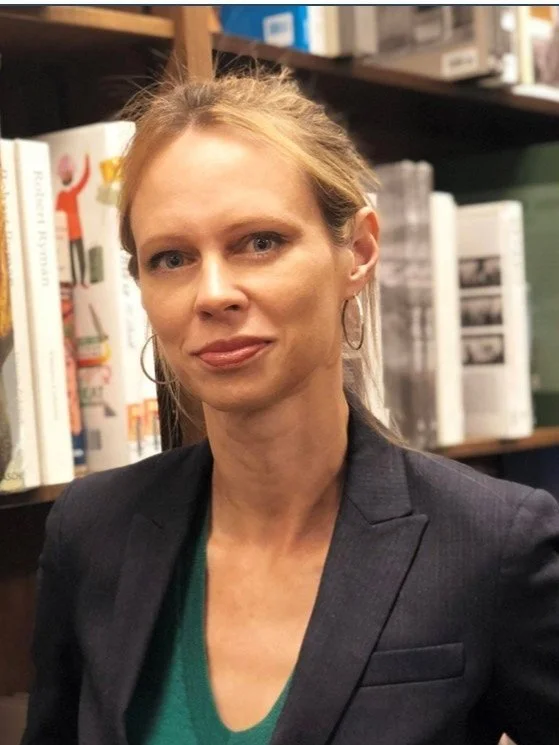
Rebecca Everly, Executive Director
Rebecca Everly serves as Executive Director of the IHRN in her capacity as Director of the Committee on Human Rights of the U.S. National Academies of Sciences, Engineering, and Medicine, which serves as the IHRN’s Secretariat. Dr. Everly is an international lawyer with more than two decades of experience in the areas of human rights and access to justice. Her current work focuses on global challenges at the intersection of human rights and science, technology, and health. From 2007-2014, Dr. Everly worked with non-governmental organizations in India and Malaysia to help promote the rights of women and children on issues such as health, education, and labor. She has extensive research and professional experience on rule of law and human rights in post-conflict societies, including as a legal advisor in Bosnia and Herzegovina.

Tracy Sahay, Project Manager
Tracy Sahay serves as the Project Manager of the IHRN and as a Senior Program Officer with the Committee on Human Rights of the U.S. National Academies of Sciences, Engineering, and Medicine, which serves as Secretariat to the IHRN. For nearly two decades, Ms. Sahay has facilitated programs addressing human rights concerns in and outside of the United States, including through fieldwork in Nepal and Kenya with Peace Brigades International and advocacy at United Nations human rights bodies with the Open Society Foundations. Ms. Sahay received a Masters of Public Policy (Global Policy and Human Rights Concentration) from the Humphrey School of Public Affairs at the University of Minnesota.