15th Biennial Meeting Participants
-
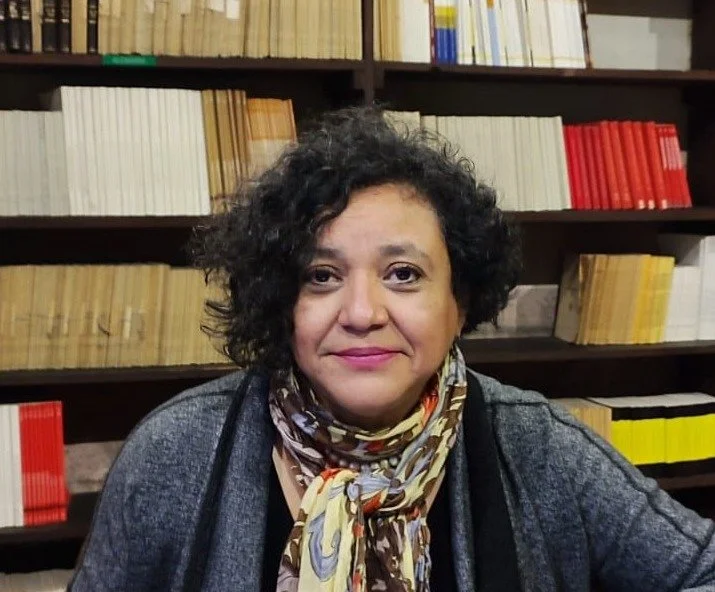
María Luisa Acosta
Bolivia
María Luisa Acosta received her Juris Doctor and Masters in Comparative Law from the University of Iowa in the United States, receiving a Fulbright Scholarship (1988-1989) and an Iowa Law Foundation Scholarship (1990-1992). She also pursued legal studies at the Externado University of Colombia in Bogotá in 1984 and the National Autonomous University of Nicaragua in 1986. She also received a Master’s in Natural Resources and Environment from the University of Barcelona in 2001. Additionally, she pursued postgraduate studies in Management, Public Administration and Autonomous Regime at the Autonomous University of Barcelona in 2002. She has been a Fulbright-in-Residence Scholar at Shoreline Community College in Seattle, Washington and an Honorary Member of the International Consortium Territories and Areas Conserved by Indigenous Peoples and Local Communities (ICCA) in Mesoamerica since 2013. She has also been a Representative before the Inter-American Court of Human Rights, concerning Judgments: Mayangna (sumo) Community of Awas Tingni v. Nicaragua 2001; Acosta et al. v. Nicaragua 2017, and Rama and Kriol Peoples, Black Creole Indigenous Community of Bluefields et al. v. Nicaragua 2024. Additionally, she has been Coordinator of the Center for Legal Assistance to Indigenous Peoples (CALPI) since 1989 and President of the Nicaraguan Academy of Sciences since 2018.
-
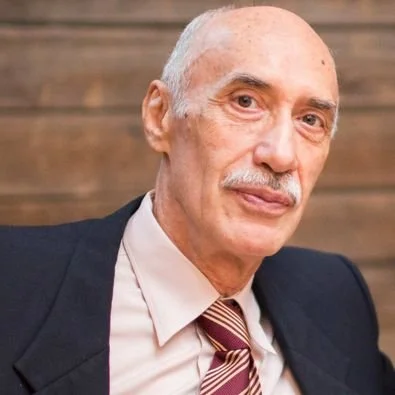
Carlos Aguirre-Bastos
Bolivia
Carlos Aguirre-Bastos is a specialist in science, technology, innovation, and higher education policy in developing countries, with extensive experience in Africa, Asia, Europe, and Latin America. At present, he is General Coordinator of a project dealing with the innovation - social inclusion nexus in Central America. He is also a Member of the Global Council for Science Education Program of the InterAcademy Partnership (IAP). Between 2010 and 2022, he was senior policy adviser at the National Secretariat for Science of Panama, in charge of developing policy studies and foresight. Since 1976 Aguirre-Bastos has been a member of the National Academy of Sciences of Bolivia, of which he was president from 1992 to 2002. He is a former full professor, researcher, and director of the Physical Research Institute of the University of “San Andres” in Bolivia. He has also been an associate member of the International Center for Theoretical Physics in Italy and executive secretary of the Bolivian Council for Science and Technology and has held several executive and visiting research posts and consulting tasks in Bolivia and worldwide.
-
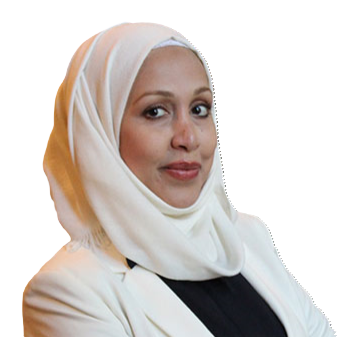
Saja Al Zoubi
Canada
Saja Al Zoubi is a development economist and expert in forced displacement, gender, and development. She is based in the International Development Studies Department at Dalhousie University, Canada, where she teaches courses on Conflict, Peace, and Development and Data for Development, integrating academic rigor with real-world experience. A strong advocate for academic freedom and at-risk scholars, she co-leads the Global Young Academy’s At-Risk Scholars Initiative and serves on the steering committee of the “Science in Exile” program. Over the past decade, Professor Al Zoubi has worked with leading institutions including the University of Oxford, the University of Glasgow, UN Women, and the EU Delegation to Syria. Her research centers on women’s empowerment and its role in rural development and post-conflict recovery. Since 2011, she has focused on improving the livelihoods and food security of displaced and refugee households, especially women-headed families, combining empirical research with a commitment to justice and locally grounded solutions.
-
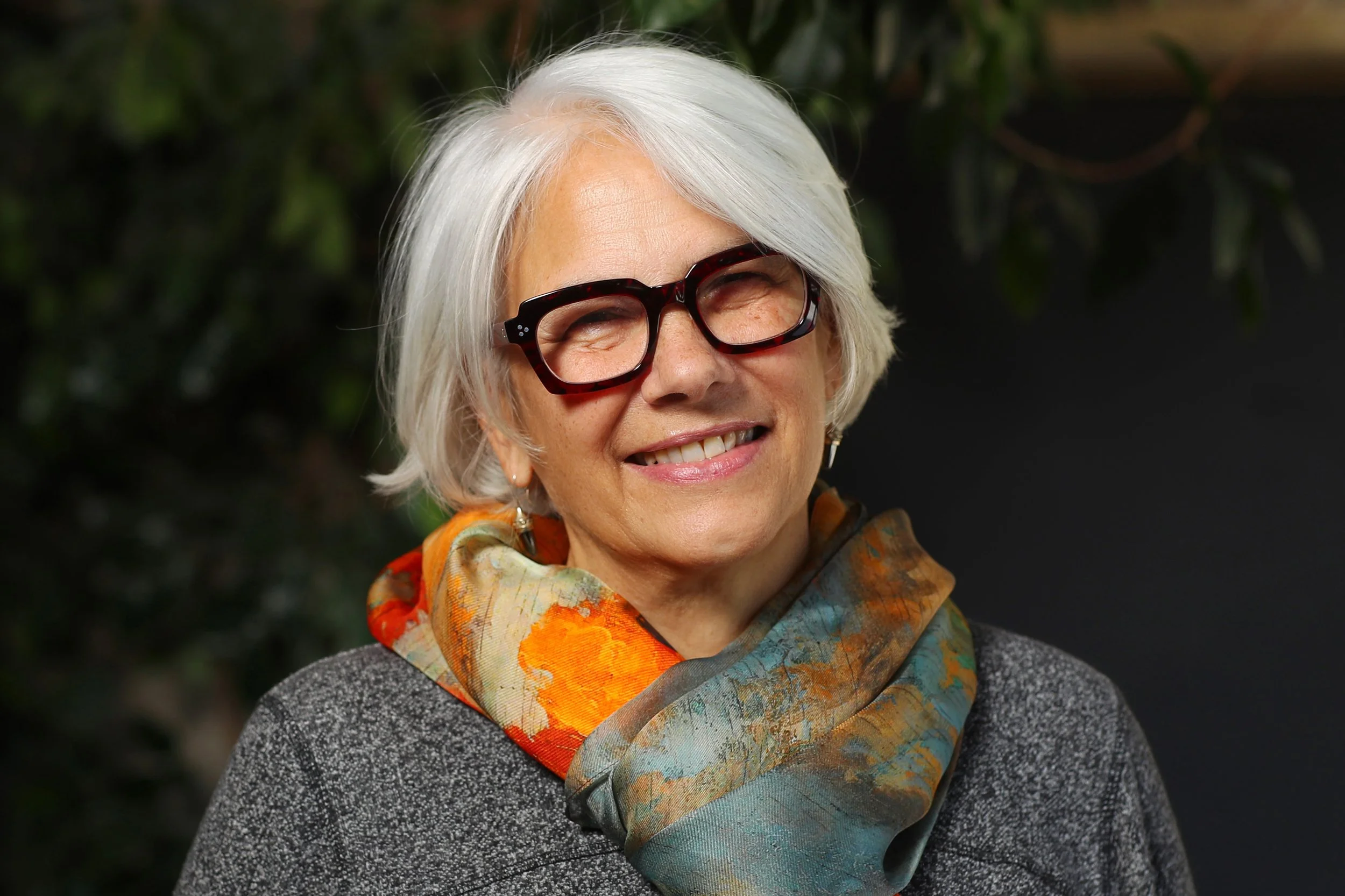
Françoise Baylis
Canada
Françoise Baylis, CM, ONS, FRSC, FISC is Distinguished Research Professor Emerita at Dalhousie University and in-coming President of the Royal Society of Canada. She is a member of the Governing Board of the International Science Council and Vice-Chair of its Committee on Freedom and Responsibility in Science. She is a member of the Order of Canada and the Order of Nova Scotia. Dr. Baylis is a leading philosopher and bioethics expert, renowned for her pioneering research at the intersection of healthcare ethics, practice, and policy. Her work challenges conventional bioethics, pushing for broader, deeper thinking on health, science, biotechnology, and public policy. At the center of her research lie questions of social justice as these concern our responsibilities to future generations. In 2022, she received the Killam Prize for the Humanities; and, in 2023, she was awarded the Canada Council for the Arts Molson Prize in Humanities. These are Canada's highest honours for scholars in the humanities.
-
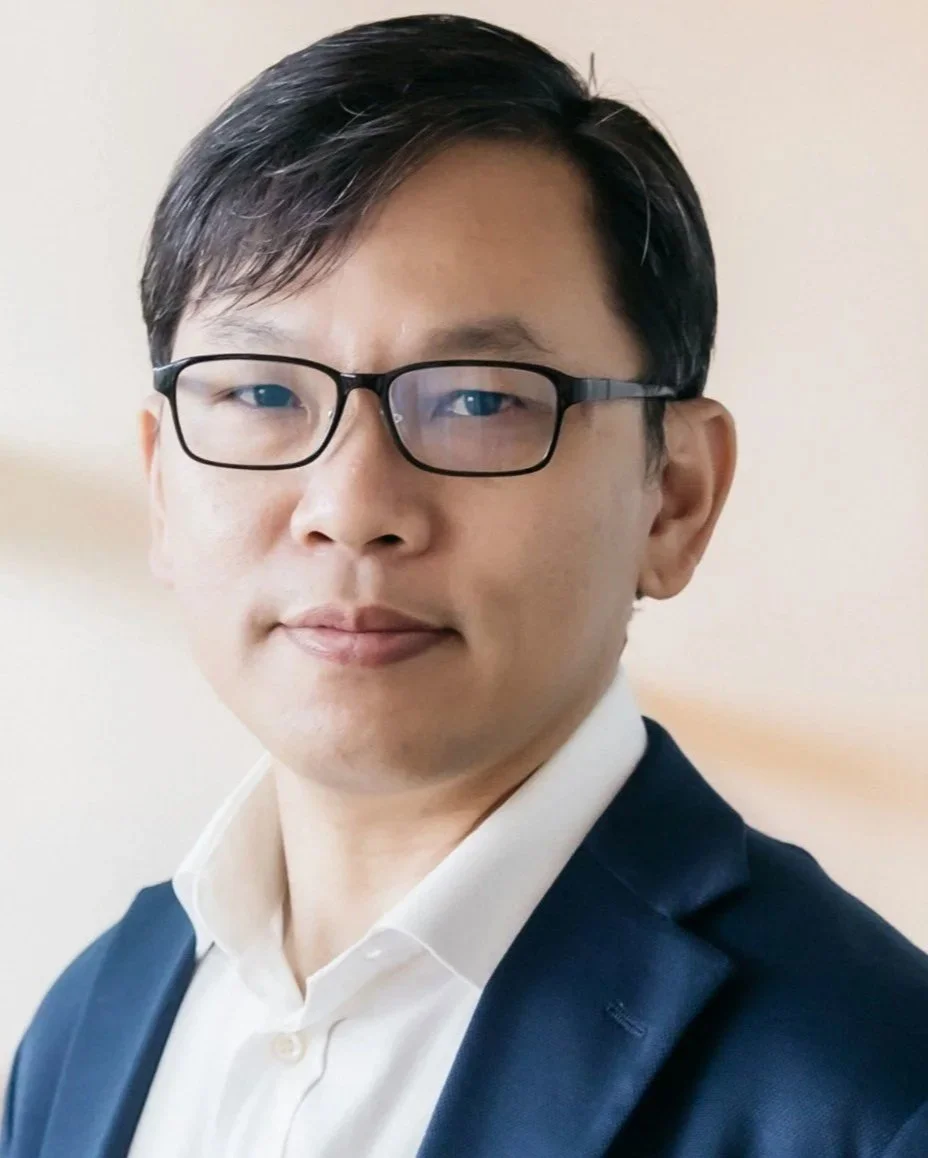
Wen-Tsong Chiou
Taiwan
Wen-Tsong Chiou is research fellow at the Institutum Iurisprudentiae of the Academia Sinica in Taiwan, and the founding director of the institute’s Information Law Center. His research focuses on information law, constitutional privacy, food regulation, STS & law, biomedical and public health ethics, and national security law. He holds a S.J.D. from University of Virginia (2004), two L.L.M.s respectively from the University of Pennsylvania and National Taiwan University, and an LL.B from National Taiwan University. Dr. Chiou’s past participation in public affairs includes serving as the president of Taiwan Democracy Watch, and the executive committee member and vice president of Taiwan Association for Human Rights. He also took part in pro bono constitutional cases involving fundamental rights. He currently serves as the director of the Office of Intellectual Property and Technology Transfer, Academia Sinica and co-chairs the AI governance division of Taiwan AICoE.
-

Anne Ephrussi
France
Anne Ephrussi is Emerita Director and Senior Scientist of the European Molecular Biology Laboratory (EMBL). She is a member of the French Academy of Sciences, where she co-chairs the Committee for the Defence of Scientists (CODHOS), and Vice-President Elect of the Académie des Sciences (2026-2027); she is also a member of the U.S. National Academy of Sciences and of the German Academy of Sciences Leopoldina. Dr. Ephrussi obtained her AB from Harvard University and PhD from the Massachusetts Institute of Technology. A molecular, cellular and developmental biologist, her research has contributed to understanding how RNA molecules are transported and their translation into proteins regulated in space and time within cells. She is a member of the European Molecular Biology Organisation (EMBO) and of Academia Europaea, and was awarded the 2022 Feldberg Prize, the 2023 Society for Developmental Biology Lifetime Achievement Award, and the 2024 FEBS|EMBO Women in Science Award.
-
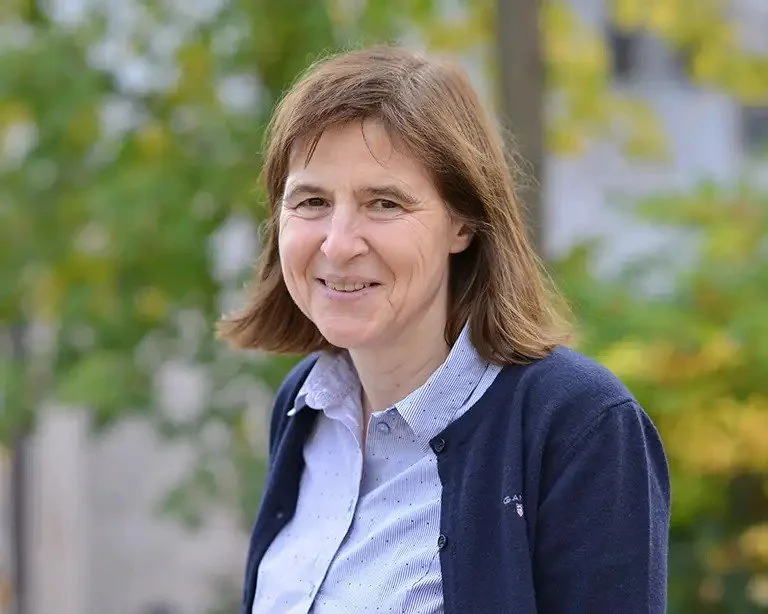
Jutta Gärtner
Germany
Jutta Gärtner is Chair of the Human Rights Committee, Secretary of the Class of Medicine, and a member of the Presidium of the German National Academy of Sciences Leopoldina. She obtained her medical license and doctorate at Catholic University of Leuven in Brussels and the University of Hamburg and conducted postdoctoral research at the Johns Hopkins Medical Institute in Baltimore, USA. She subsequently worked at the University Children’s Hospital of Heinrich Heine University Düsseldorf, Germany. Since 2002, she has served as Medical Director of the Department of Pediatrics and Adolescent Medicine at the University Medical Center Göttingen, Georg August University Göttingen. In 2024, she was appointed Chair of the German Center for Child and Adolescent Health. Her research focuses on neuroscience, with a particular emphasis on rare congenital neurometabolic disorders characterized by early-onset neurodegenerative and neuroinflammatory processes, often associated with childhood dementia. She has received numerous prestigious honors, including the Child Health Research Award of the National Institute of Health (U.S.A.), the Adalbert Czerny Prize of the German Society for Pediatrics and Adolescent Medicine, the Reinhart Koselleck Prize of the German Research Foundation and the Hamburg Science Award of the Academy of Sciences Hamburg.
-
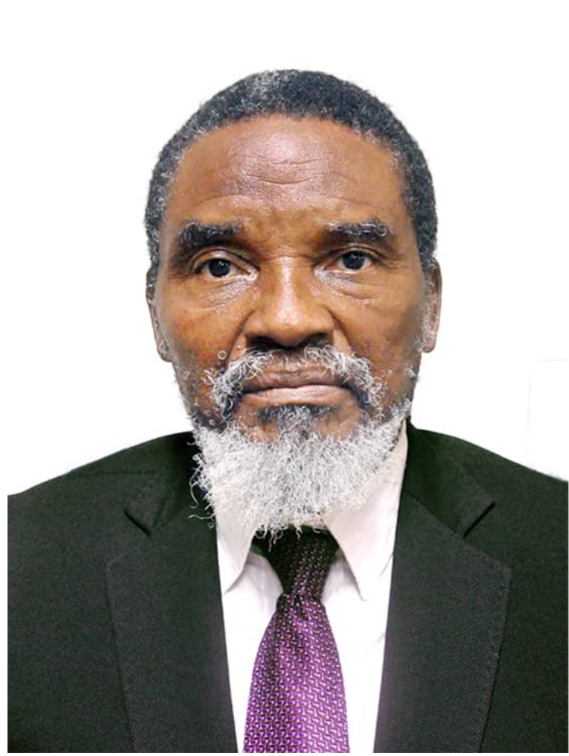
Mahouton Norbert Hounkonnou
Benin
Mahouton Norbert Hounkonnou is a full Professor of Mathematics and Physics at the University of Abomey-Calavi, Benin. He published over 200 main research papers in mathematics and mathematical physics. He has been a visiting professor at African, Asian, European and North American universities. He successfully trained, as supervisor, a considerable number of Masters and Ph.D. students. He was awarded several international prestigious prizes, the last being the American Institute of Physics 2023 Tate Medal, and the 2023 Yang Hui Prize for his seminal contributions to deformed quantum algebras. His membership extends to the African Academy of Sciences, The World Academy of Sciences, the Academy of Science of South Africa, and Hassan II Academy of Science and Technology, Morocco. He served as President of the Benin National Academy of Sciences, Arts and Letters. He is the President of the Network of African Science Academies. He is a Knight of the Benin National Order.
-
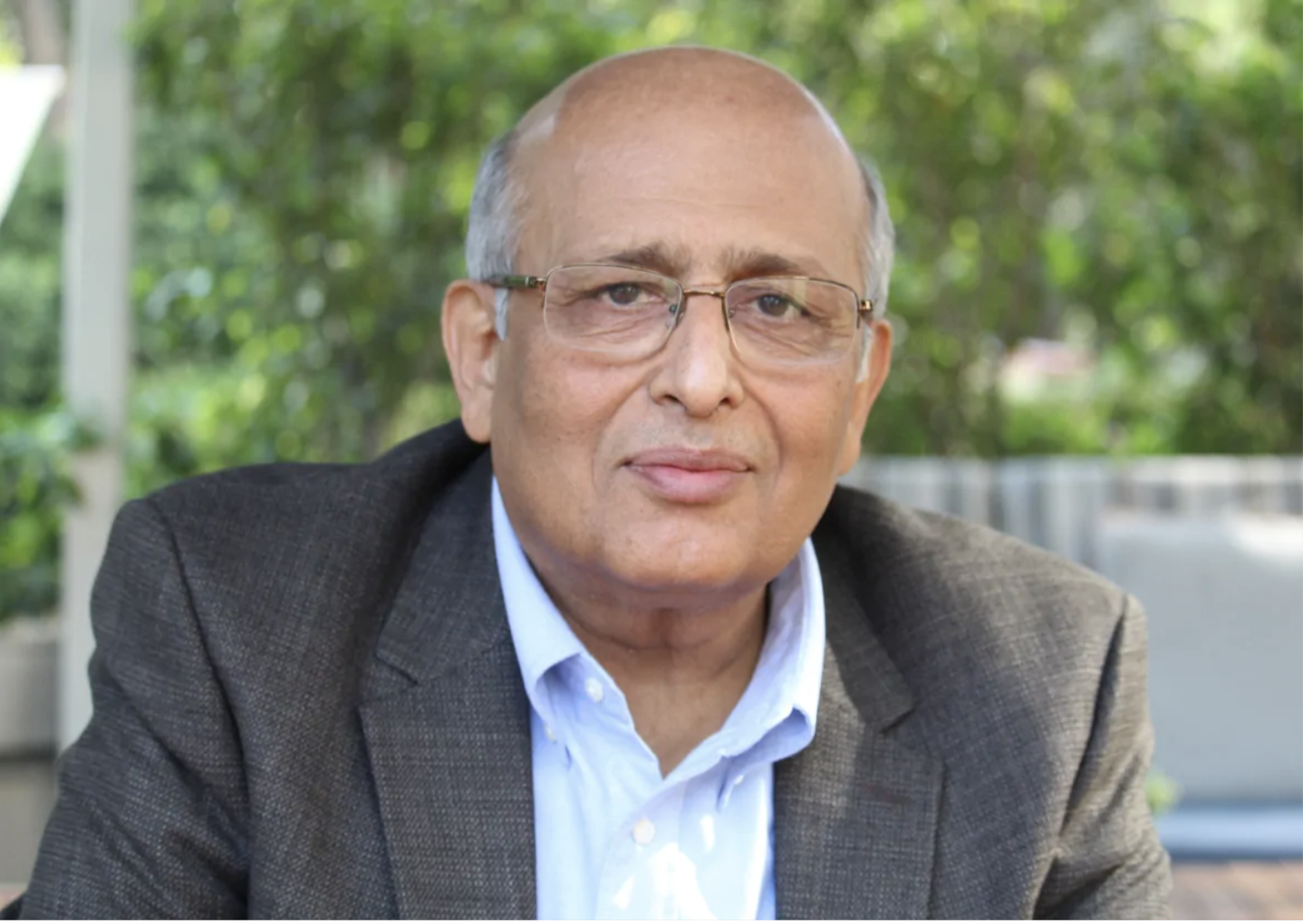
Shahid Jameel
India
Shahid Jameel is Sultan Qaboos bin Said Fellow at the Oxford Centre for Islamic Studies, where he leads the project on “Science, Technology and Environment in Muslim Societies”. He is also a Research Fellow at Green Templeton College, Oxford. He was Group Leader of Virology at the International Centre for Genetic Engineering and Biotechnology (New Delhi, India), where his research focussed on human viruses. He also served as Chief Executive Officer of the Wellcome Trust/DBT India Alliance and Founding Director of the Trivedi School of Biosciences, Ashoka University, India. He is a Fellow of the Indian National Science Academy, Indian Academy of Sciences, and the National Academy of Sciences, India. His current work at Oxford deals with the impact of climate change on Muslim societies, and how faith can be a driver for change.
-
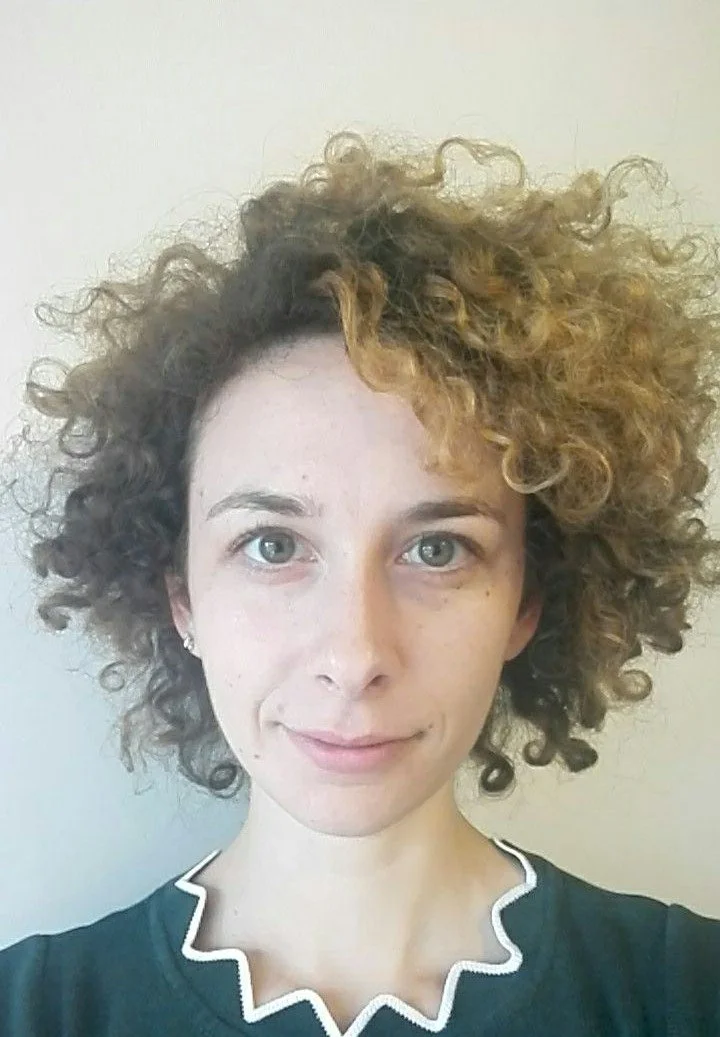
Poppy Joyce
United Kingdom
Poppy Joyce is a policy adviser at the Royal Society, specialising in the Americas and Academic Freedom. She has a background in human rights and has worked for both government and international human rights charities. Most recently, her work has focused on mitigating harassment of researchers and on protecting at-risk datasets.
-

Jennifer Kenneally
Ireland
Jennifer Kenneally is the Senior Policy and International Relations Manager at the Royal Irish Academy. She works across higher education and research policy issues and has undertaken several large scale research projects in this space. She provides secretariat and strategic direction to the Academy North-South Standing Committee and is the RIA staff liaison to the Celtic Academies Alliance. She works with the RIA Policy and International Committee to design and deliver the Academy policy work programme and is the RIA staff representative on the UK-Ireland Human Rights Committee.
-
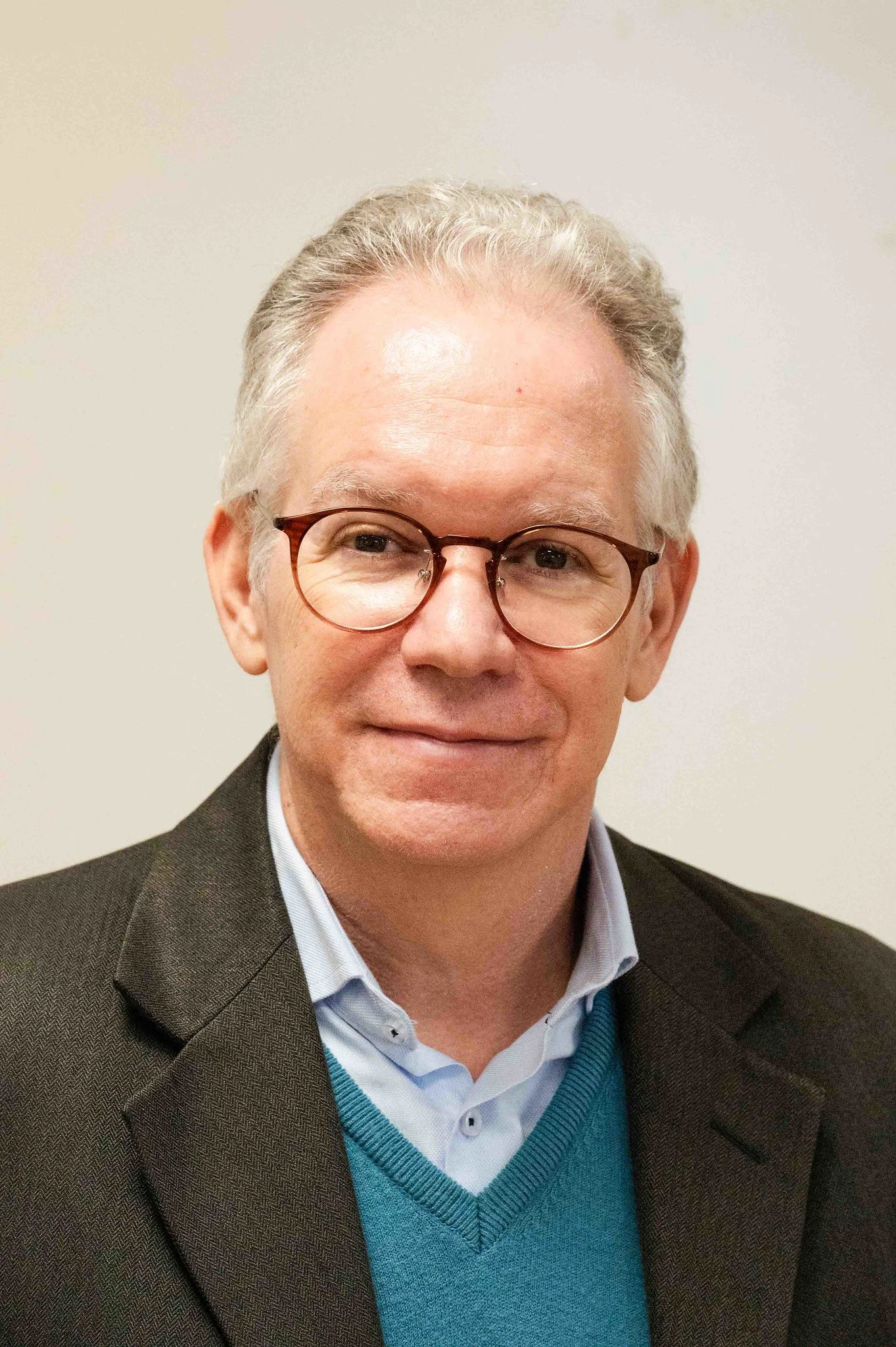
Marcelo Knobel
Brazil
Marcelo Knobel serves as executive director of TWAS. A distinguished physicist and science advocate, Knobel brings more than three decades of experience in higher education leadership, scientific research, and science communication. He previously served as rector of the University of Campinas (Unicamp) in Brazil from 2017 to 2021, where he has been a faculty member for 30 years. With more than 300 scientific publications and numerous prestigious awards, Knobel is internationally recognized for his contributions to physics research, educational innovation, and science popularization. He has received prestigious awards, including the 2022 CBMM Prize on Science and Technology (Brazil's most prestigious science and technology award), the 2019 José Reis Science Popularization Prize, and the 2013 Peter Muranyí Prize in Education. He is a Commander of the Order of Scientific Merit (Brazil) and holds a Doctor Honoris Causa from Universidad Mayor de San Andrés, Plurinational State of Bolivia.
-
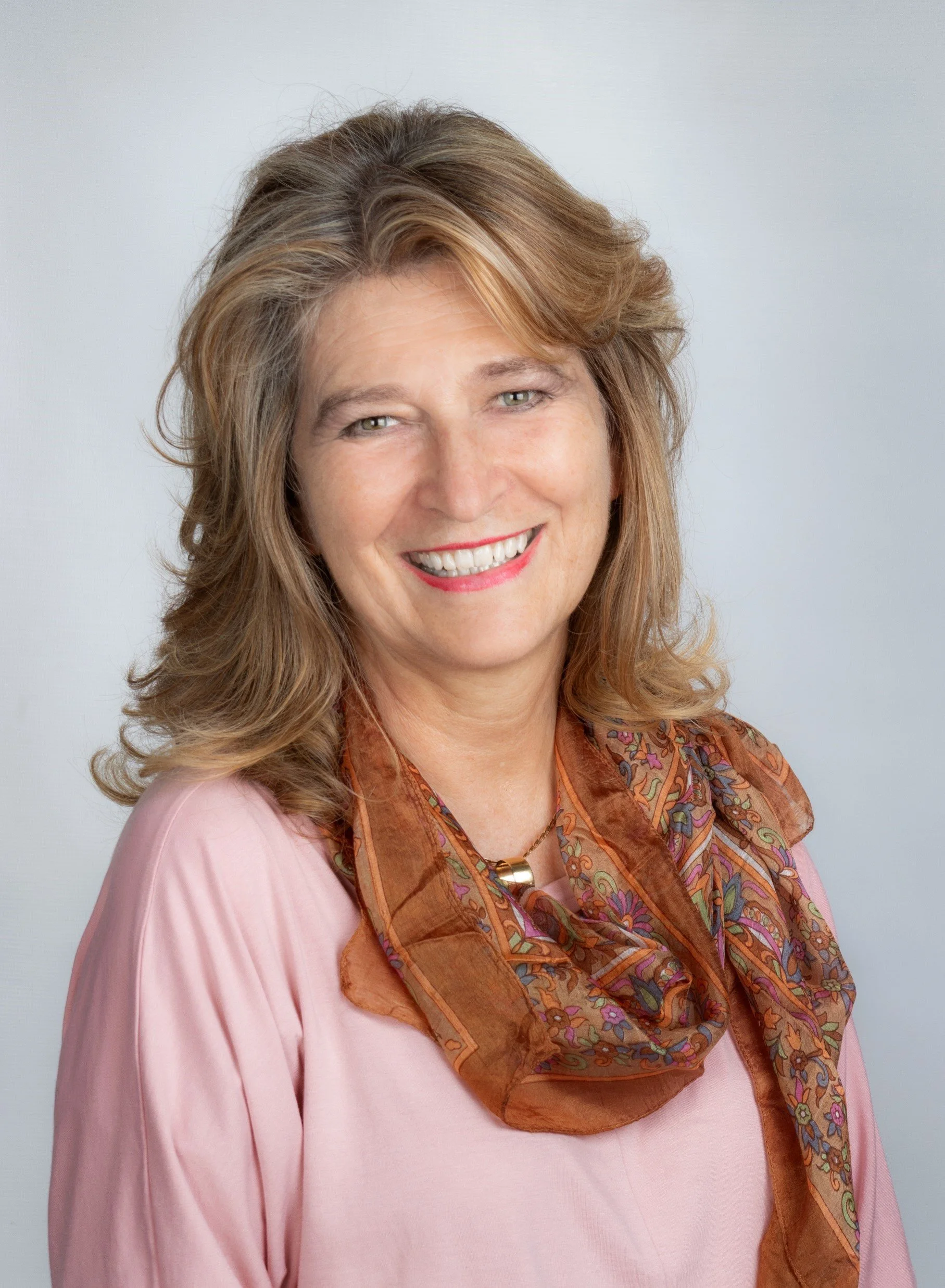
Lise Korsten
South Africa
Lise Korsten is Co-Director of the DST-NRF Centre of Excellence in Food Security, overseeing food safety and control programmes. She chairs the Global Task Force of Food Security for the International Society for Plant Pathology and has advised the South African Parliament on food safety, developing a national agrifood system framework in 2001. Korsten has trained over 100 postgraduate students, published 200+ peer-reviewed papers, and holds an H-Index of 50, ranking in the top 2% of scientists globally. She has received the Water Research Commission’s Human Capital Development Award and the MT Steyn Prize. A Fellow of the South African Society for Plant Pathology and Academy of Science, she serves as a senior editor for Crop Protection and is involved with the African Academy of Sciences, promoting scientific excellence. Korsten pioneered South Africa’s first biocontrol agent for fruit and co-founded the South African Biomanufacturers Association, advancing sustainable agriculture.
-
Liisa Laakso
Finland
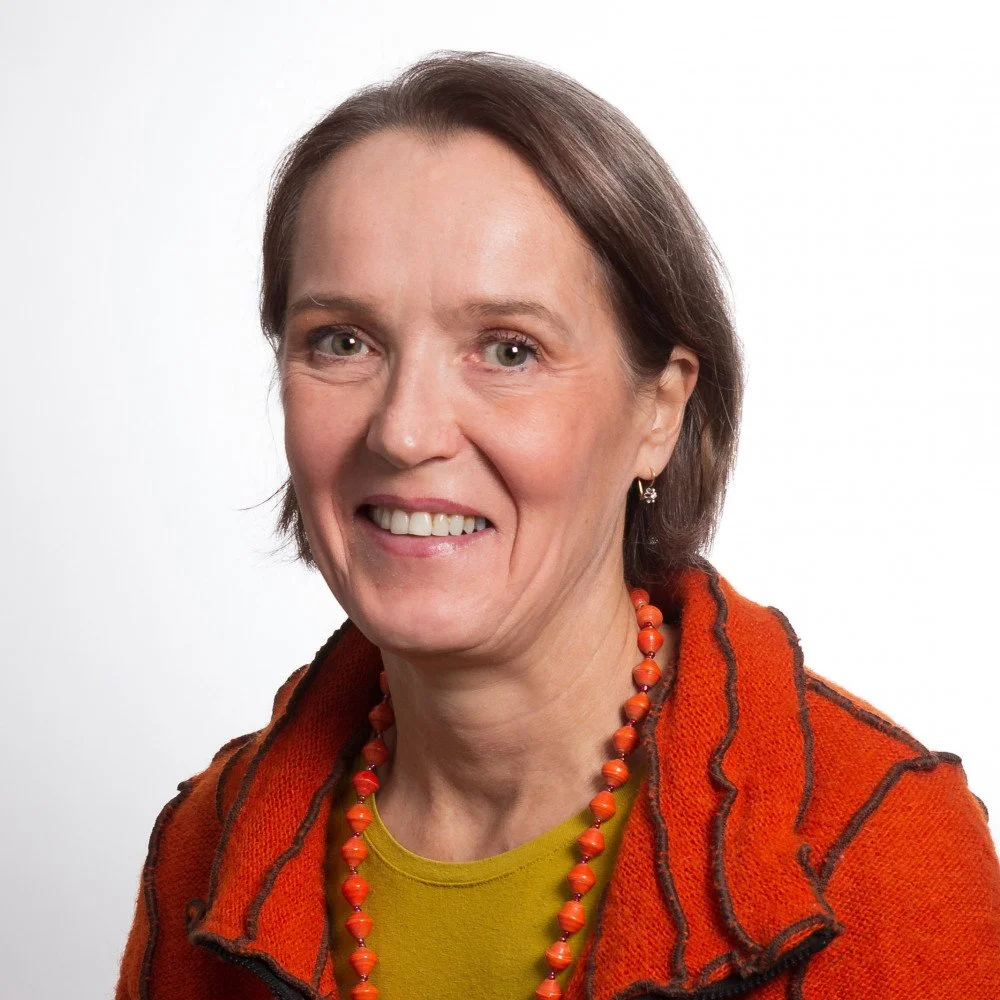
Liisa Laakso has acted in different national and international positions of trust including the Finnish Government’s Research and Innovation Council. She is Member of the Finnish Academy of Science and Letters. Before joining the Nordic Africa Institute, she served as the Rector of the University of Tampere and before that as the Dean at the University of Helsinki, Faculty of Social Science. She was nominated to professorship at the University of Jyväskylä in 2004, in the field of Development and International Cooperation. Her research interests cover Africa, world politics, democratisation, international development policies and crisis management policies of the European Union. Her research project at the Nordic Africa Institute focuses on the profile of political science discipline in African universities and its impact on African politics.
-
Vanda Lamm
Hungary
Vanda Lamm is Professor emeritus of Public International Law in Hungary. Since 2020, she has been vice-president for social sciences of the Hungarian Academy of Sciences. Previously, she was director of the Academy’s Institute for Legal Studies. She is also a member of the Institute of International Law (2009-2010, vice-president of the Institute), a member of the European Academy of Sciences and Arts, a member of the Executive Council of the International Law Association, and a former member of the UN Committee on Elimination of Discrimination against Women. Lamm is an author or editor of 35 books and has written 170 articles on different subjects of international law, human rights, nuclear law, etc., published in Hungarian, English and French languages.
-
Magdalena Lesińska
Poland
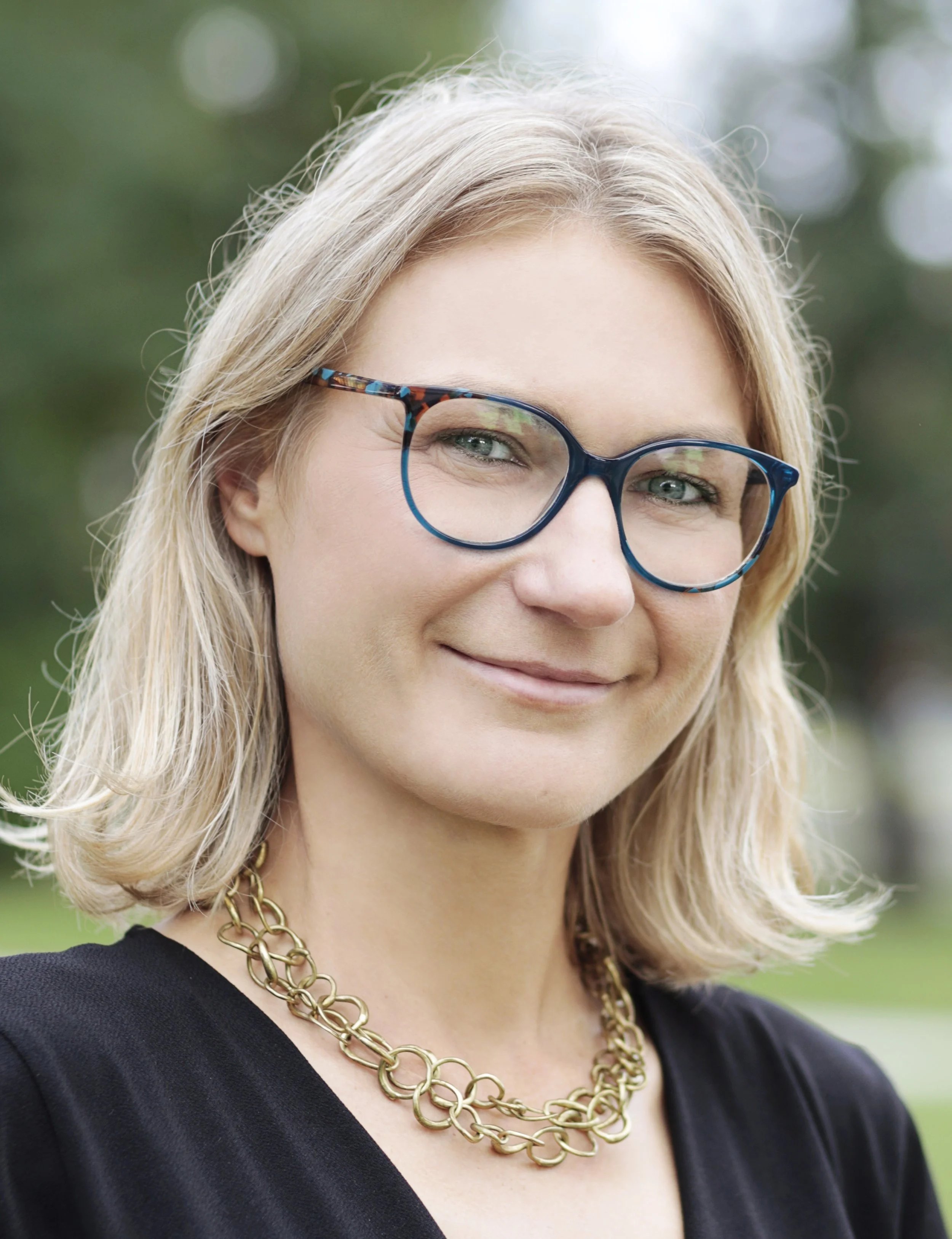
Magdalena Lesińska is the Chairwoman of the Committee of Migration Research of the Polish Academy of Science and Assistant Professor in the Centre of Migration Research at the University of Warsaw (CMR UW). Her present research includes diasporas in Central Eastern Europe, migration and diaspora politics, and state-diaspora relations.
-

Ximena Medellín Urquiaga
Mexico
Ximena Medellín Urquiaga is a Senior Research Professor in the Legal Studies Division of the Center for Economic Research and Teaching. Her research focuses on the constitutional and international protection of human rights. She is the author of four books, as well as several articles and book chapters. She holds a PhD in Law from the Institute of Legal Research of the National Autonomous University of Mexico, a Master's degree in International Law from the University of Notre Dame, and a Bachelor's degree in Law from the Universidad Iberoamericana in Mexico City. She also holds a Diploma in Human Rights with a specialization in Access to Justice and has undertaken other specialized studies in national and international institutions related to the international protection of human rights.
-
Kayo Minamino
Japan
Kayo Minamino is a professor at the Faculty of Law, Kyoto Women’s University and a Council Member of the Science Council of Japan (Section 1, Humanities and Social Sciences) since 2020. She graduated from Kyoto University, where she majored in Sociology of Law with a special interest in Feminist Legal Studies. She is a board member of the Japanese Association of Sociology of Law and the Japanese Association of Gender and Law. Her current interest is in gender education and training for the legal profession, with a focus on judicial education.
-
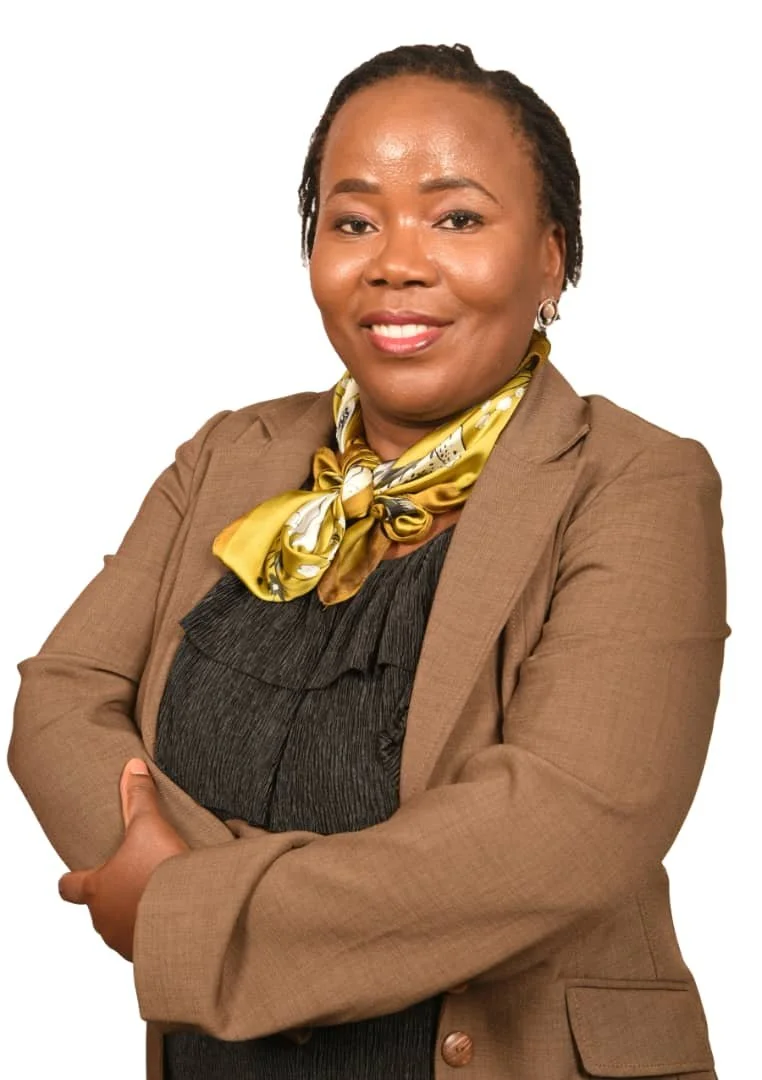
Dikabo Mogopodi
Botswana
Dikabo Mogopodi is Deputy Secretary General of the Botswana Academy of Science, where she leads strategic research initiatives and fosters partnerships with institutions at national, regional, and international levels. She holds a Ph.D. in Analytical Chemistry and lectures at the University of Botswana. Her research addresses human and environmental health through work in chemical safety, geological prospecting, water and food safety, and food security, with a focus on indigenous plant resources. A strong advocate for gender equity in science, she is the founding Secretary General of the OWSD Botswana National Chapter, where she has secured funding and led capacity-building initiatives for women in STEM. She also serves on the NASAC Women for Science Working Group and contributes as an expert assessor for research and innovation funding bodies. Dr. Mogopodi is an Associate of the Organisation for the Prohibition of Chemical Weapons (OPCW) and a member of the Academic Advisory Group for the Global Congress on Chemical Security and Emerging Threats. She is a fellow of Africa Science Leadership Programmes and the International Science Council, former Next Einstein Forum Ambassador, and President of Aphrike Research, a pan-African platform connecting researchers, funders, and policymakers to promote evidence-based, inclusive research collaboration.
-
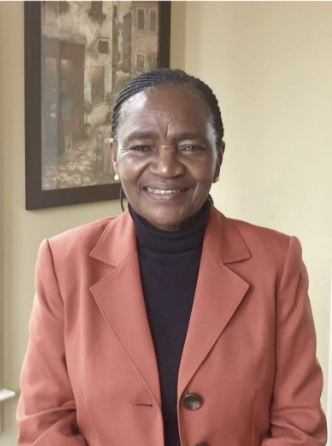
Esther Mwaikambo
Tanzania
Esther Mwaikambo, the first (1969) female medical doctor in Tanzania, is a senior pediatrician and professor of pediatrics and child health. Her career spans medical education, basic science research especially on cerebral malaria and national policy development in areas of science, health (with special reference to maternal and child health), hospital administration and management, and management of training and higher education in medicine and health sciences. She is currently Chairperson of Tumaini University in Tanzania, Chairperson of National Polio certification commission and chairperson of Ifakara Health Institute (IHI) Institutional Review Board (IRB). Other senior policy-related positions she has held include President, Tanzania Academy of Sciences; Vice Chancellor, Hubert Kairuki Memorial University (HKMU); Founder and Chairperson, Medical Women Association of Tanzania (MEWATA); Chairperson, National Examination Council of Tanzania (NECTA), 2002-2006; and Chairperson, Research on Poverty Alleviation (REPOA) 2000-2012. She is the recipient of the 2009 Harvard University distinguished African lecturer Award, the 2013 Martin Luther King Jr. Drum Major for Justice Award in the Tanzania best African health Research Scientist Award in 2013 to mention just a few. In 2018 she was elected an “International member” of the American Academy of Art and Sciences (AAAS).
-

Asifa Nanyaro
Tanzania
Asifa Nanyaro is the Executive Director and fellow of the Tanzania Academy of Sciences (TAAS) since 2012. He manages TAAS and the provision of evidence-based advice to the Government and other stakeholders. He is a registered engineer. He holds a Bachelor of Applied Science, Masters of Applied Science and PhD (1984) in aeronautics and astronautics from the University Toronto, Canada. His area of research expertise is aircraft crash dynamics and the strength of space vehicle and natural composites. He was a member of the East Africa Science and Technology Commission Governing Board till 2023. He is a retired Colonel. Dr. Nanyaro was the Director General of the Tanzania Industrial Research and Development Organization from 1996 to 2012. He was in the Tanzania Commission for Science and Technology and the National Business Council. He served in the Coordinating Council of the Commission for Science and Technology for Sustainable Development of the South.
-
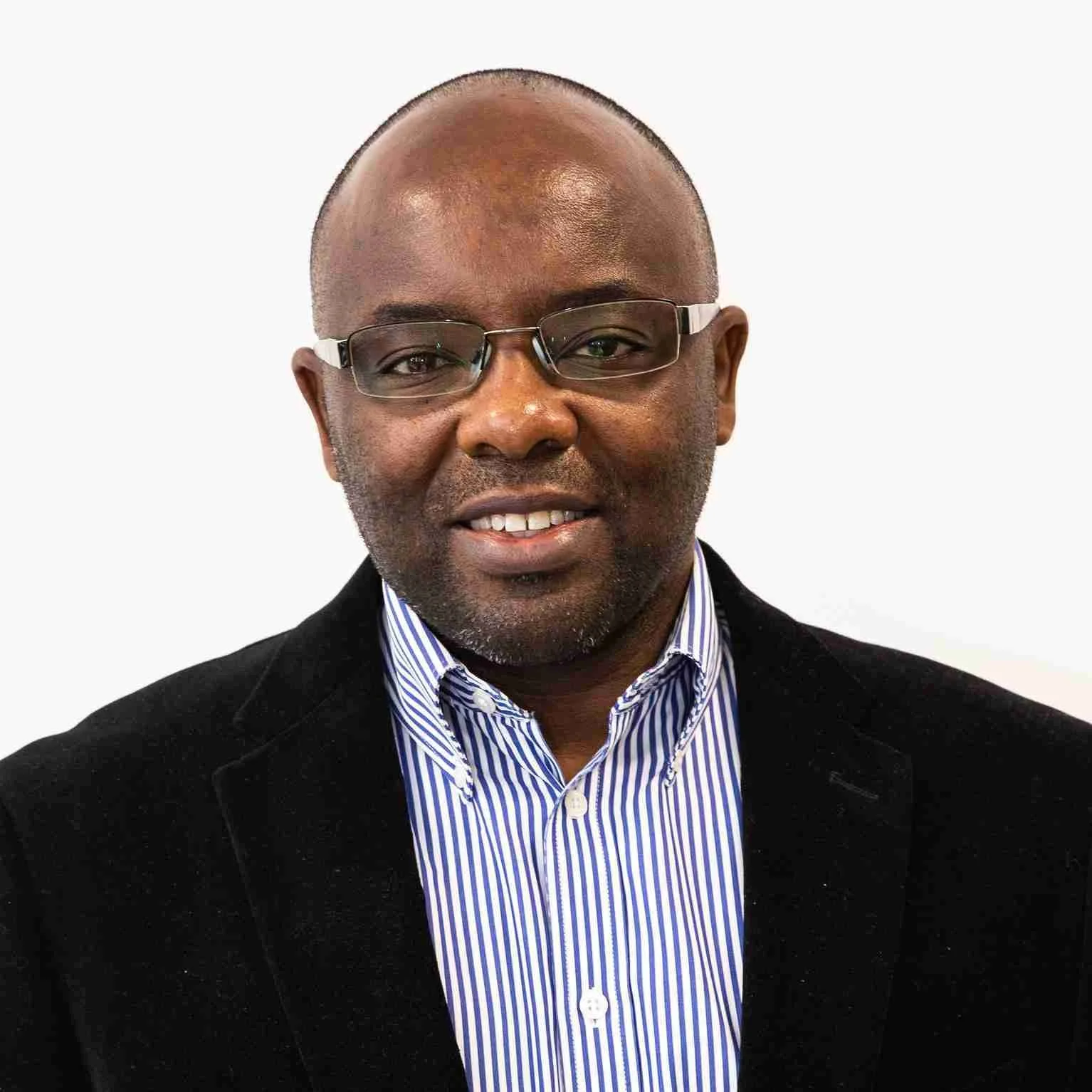
James Njuguna
United Kingdom
James Njuguna is the National Subsea Centre (NSC) Director of Research and Innovation at Robert Gordon University (RGU), Aberdeen. He specializes in composite materials, focusing on their application in energy production, storage, and distribution networks. His research involves experimental studies on material reinforcement, toughness, and design, emphasizing structural-property relationships. His work aims to improve impact resistance and energy absorption in structural composites for industrial use. Under his leadership, the National Subsea Centre drives advancements in among others enhancing the safety, efficiency, and sustainability of energy, transport, biodiversity and subsea infrastructure.
-
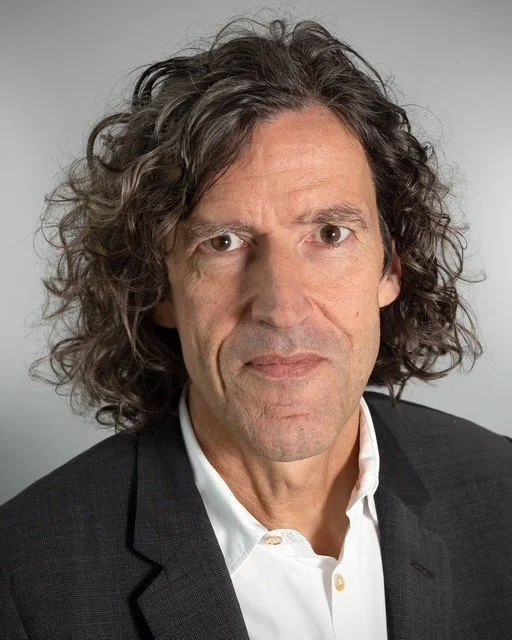
André Nollkaemper
Netherlands
André Nollkaemper is Distinguished University Professor of International Law and Sustainability at the University of Amsterdam and Academic Director of SEVEN, the interdisciplinary climate institute of the University of Amsterdam. He is also Chair of the Committee for the Pursuit of Scientific Freedom of the Royal Academy of Arts and Sciences of the Netherlands. Previously, he was Dean of the Amsterdam Law School and (interim) member of the Board of the University of Amsterdam.
-
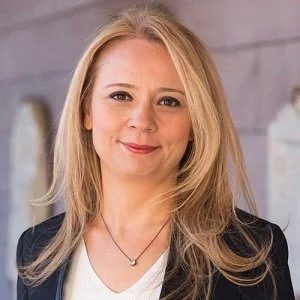
Bertil Emrah Oder
Türkiye
Bertil Emrah Oder is a Professor of Constitutional Law and UNESCO Chairholder at Koç University. She received her Ph.D. from the University of Cologne. Her research focuses on constitutionalism, human rights, and judicial review. She is a full member of the Science Academy of Turkey and the All European Academies of Sciences and Humanities (ALLEA), the Science and Ethics WG. She was selected as Henry Morris Lecturer of International and Comparative Law in 2012 (Chicago-Kent School of Law) and Distinguished Research Fellow in Constitutional Studies in 2023 (University of Texas at Austin). She holds the award of the Defender of Constitutional Democracy (Global Summit on Constitutionalism, 2020). She has served as a consultant for the UN Women and the Inter-Parliamentary Union (IPU). Her recent publications are The Turkish Constitutional Court and Turkey’s Democratic Breakdown, 18/1 ICL Journal, 2024; and The feminist struggle and the 1924 Constitution: feminists as constitutionalists, 61/4 DPCE Online, 2024.
-
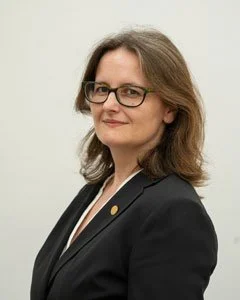
Zuzana Panczová
Slovakia
Zuzana Panczova is the Vice President of the Slovak Academy of Sciences (SAS). As a researcher at the Institute of Ethnology and Social Anthropology SAS, she focuses on rumours and conspiracy theories in the context of religious and ideological beliefs.
-
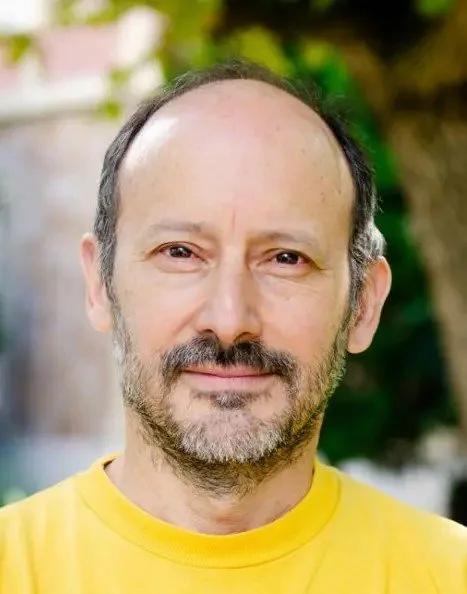
Javier Pizarro-Cerda
Costa Rica
Javier Pizarro-Cerda obtained a Ph.D. in Immunology at the Marseile-Luminy Immunology Centre, investigating the intracellular adaptations to mammalian cells of the brucellosis agent, and the Gram negative bacterium Brucella abortus. He then joined the Institut Pasteur in Paris to study host-pathogen interactions of the Gram positive pathogen Listeria monocytogenes. Since 2017 he has been Associate Professor at the Institut Pasteur where he is director of the Yersinia Research Unit and of the WHO Collaborating Centre for Plague (FRA-146) as well as deputy director of the French National Reference Laboratory ‘Plague and other yersiniosis’. His team currently investigates the biology and evolution of pathogenic members of the genus Yersinia, including the enteropathogens Y. pseudotuberculosis and Y. enterocolitica, as well as the plague bacillus Y. pestis. His public health activities include the implementation of novel molecular diagnostic strategies to track pathogenic Yersinia outbreaks and the development of a vaccine against plague.
-
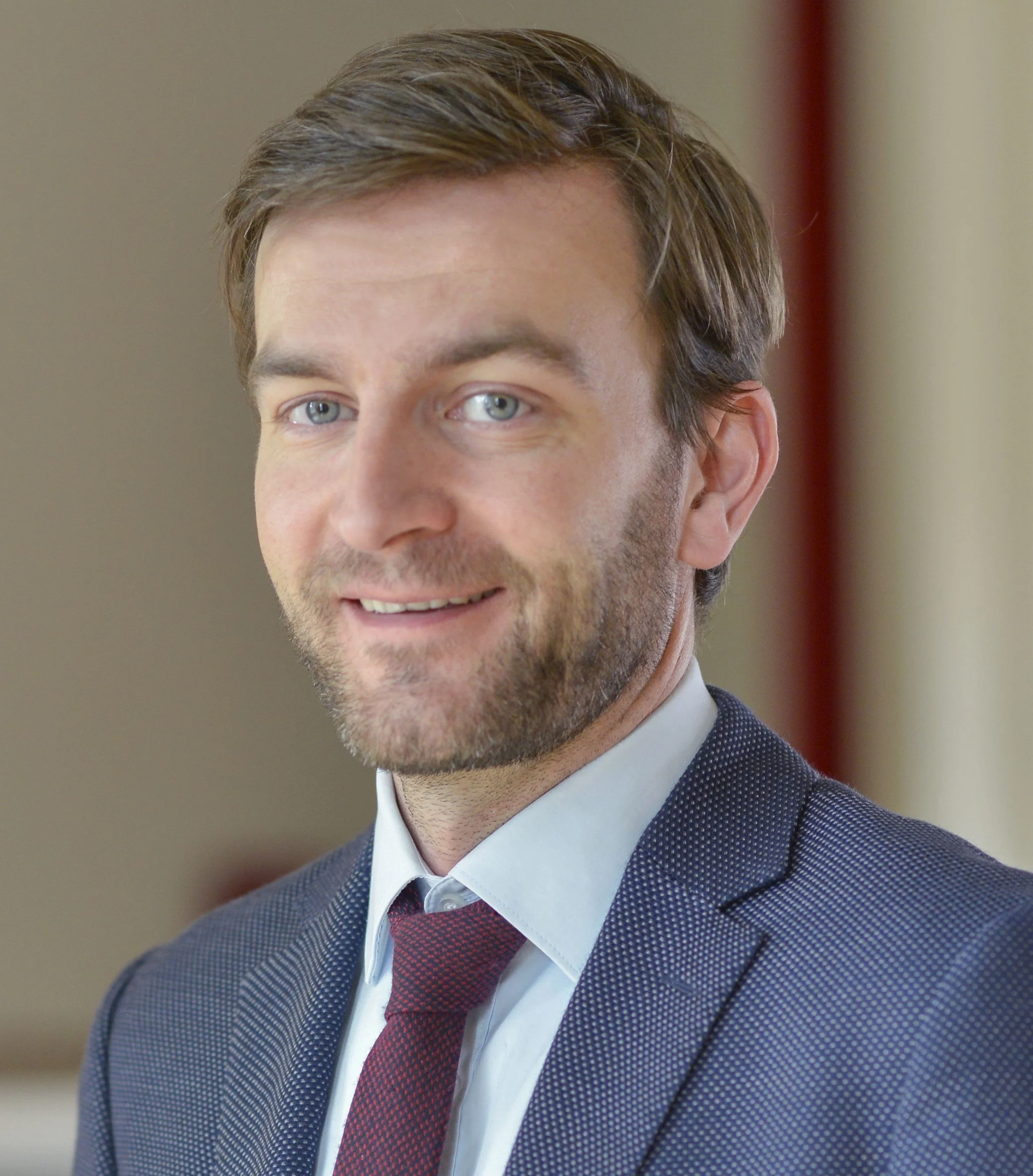
Thomas Ploetze
Germany
Thomas Ploetze is Senior Officer in the Department of International Relations at the German National Academy of Sciences Leopoldina. He coordinates the Academy’s collaborations with partners in Latin America and Sub-Saharan Africa and manages the secretariat of the Leopoldina’s Human Rights Committee. Previously, he worked as a postdoctoral researcher at the University of Leipzig’s Chair of International Relations and taught as a guest lecturer at the University of Kassel and the University of Havana, Cuba. He holds a Ph.D. (2019) in International Relations, with a focus on peace, conflict, and development studies; his research examined security cooperation in Central America.
-
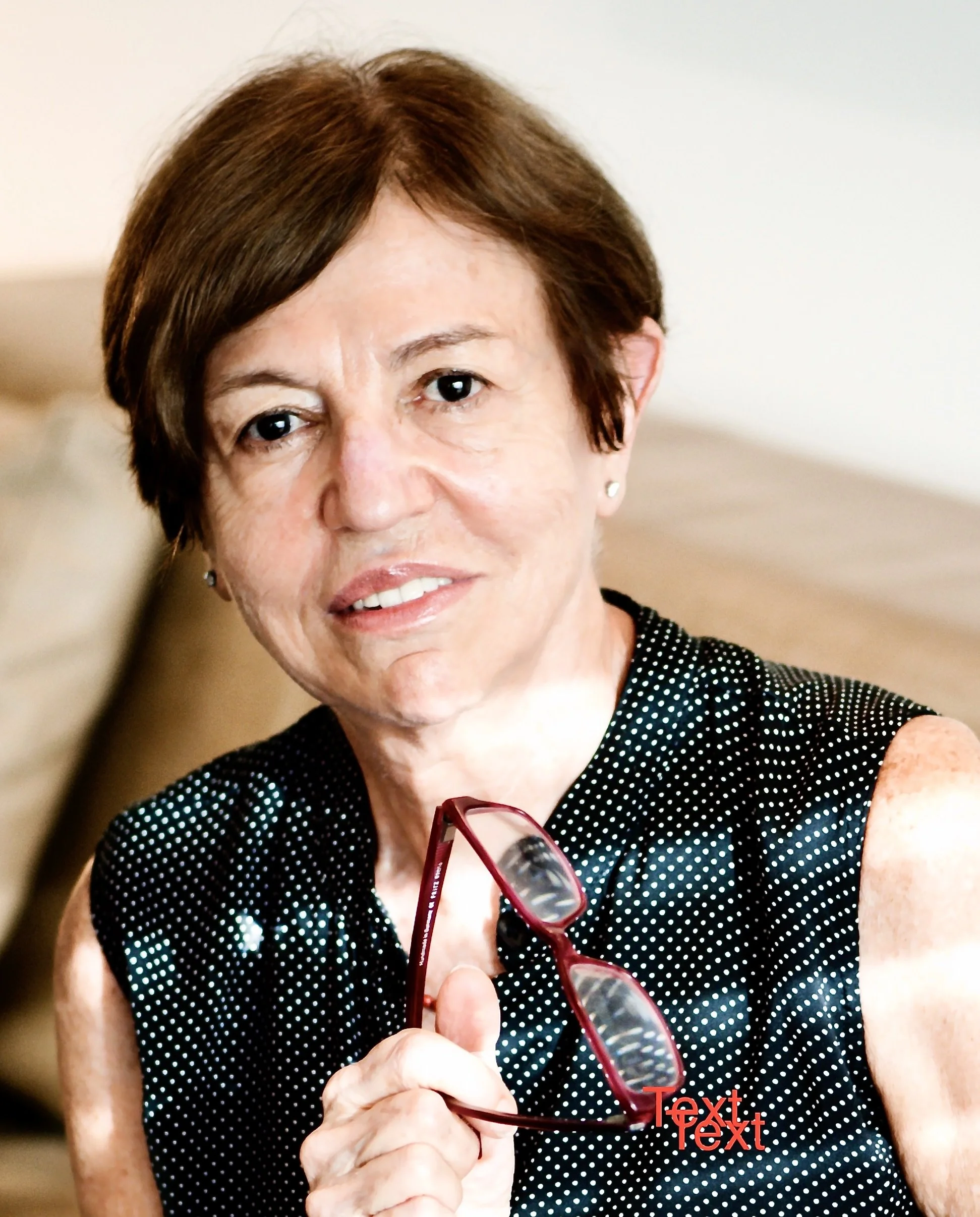
Elisa Reis
Brazil
Elisa Reis holds a Ph.D. in Political Science from the Massachusetts Institute of Technology and is a full professor of Political Sociology at the Federal University of Rio de Janeiro (UFRJ), where she coordinates the Interdisciplinary Center for Studies on Inequality (NIED). She is the author of an extensive academic production, published in specialized journals in Brazil, in the US, and in Europe. A full member of the Brazilian Academy of Science and of The World Academy of Sciences (TWAS) she was awarded the Grand Cross of the National Order of Scientific Merit by the Ministry of Science and Technology, the Florestan Fernandes Prize from the Brazilian Society of Sociology, and the Pierucci Prize for Academic Excellence by ANPOCS (2021). Reis is also active in the International Panel on Social Progress (www.ipsp.org).
-
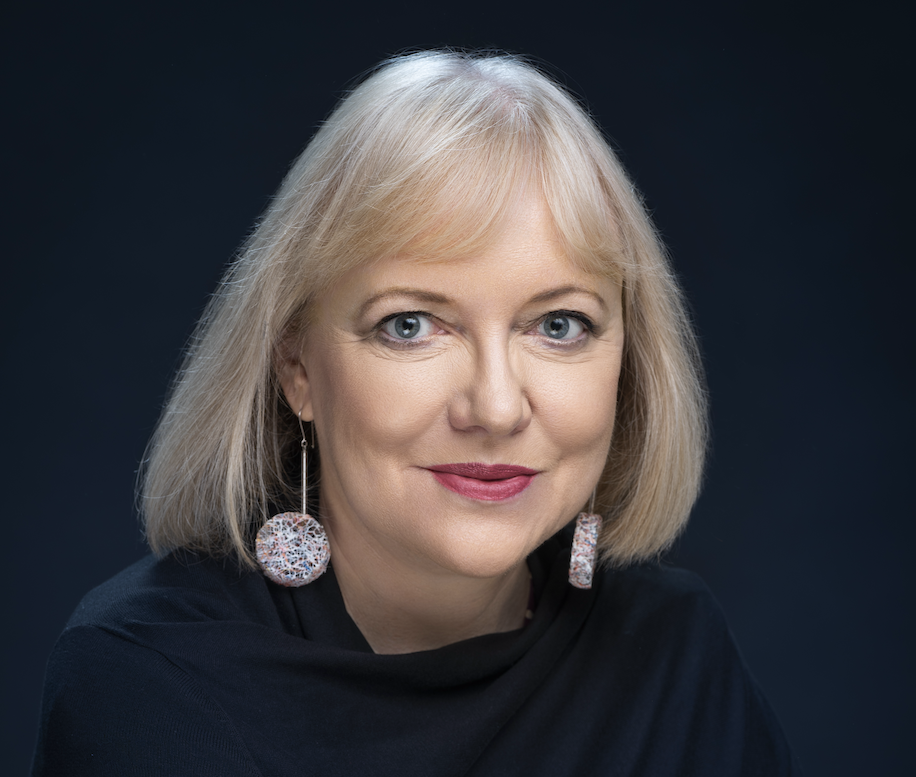
Renata Salecl
Slovenia
Renata Salecl is a member of the Slovenian Academy of Sciences and Arts and President of its Committee for Human Rights. She is a philosopher and sociologist, senior researcher at the Institute of Criminology at the Faculty of Law in Ljubljana, Slovenia and professor at the School of Law, Birkbeck College, University of London, UK. Her books, which have been translated into 20 languages, include A Passion for Ignorance: What We Choose not to Know and Why (Princeton UP, 2020), Tyranny of Choice (Profile Books, 2011), On Anxiety (Routledge, 2004), and (Per)versions of Love and Hate (Verso, 1998). Her work has been presented at TED Global. She is also active in the civil initiative “Airspace tribunal,” which is engaged in the initiative to propose a new human right to protect the freedom to live without physical or psychological threats from above (airspace and outer space).
-
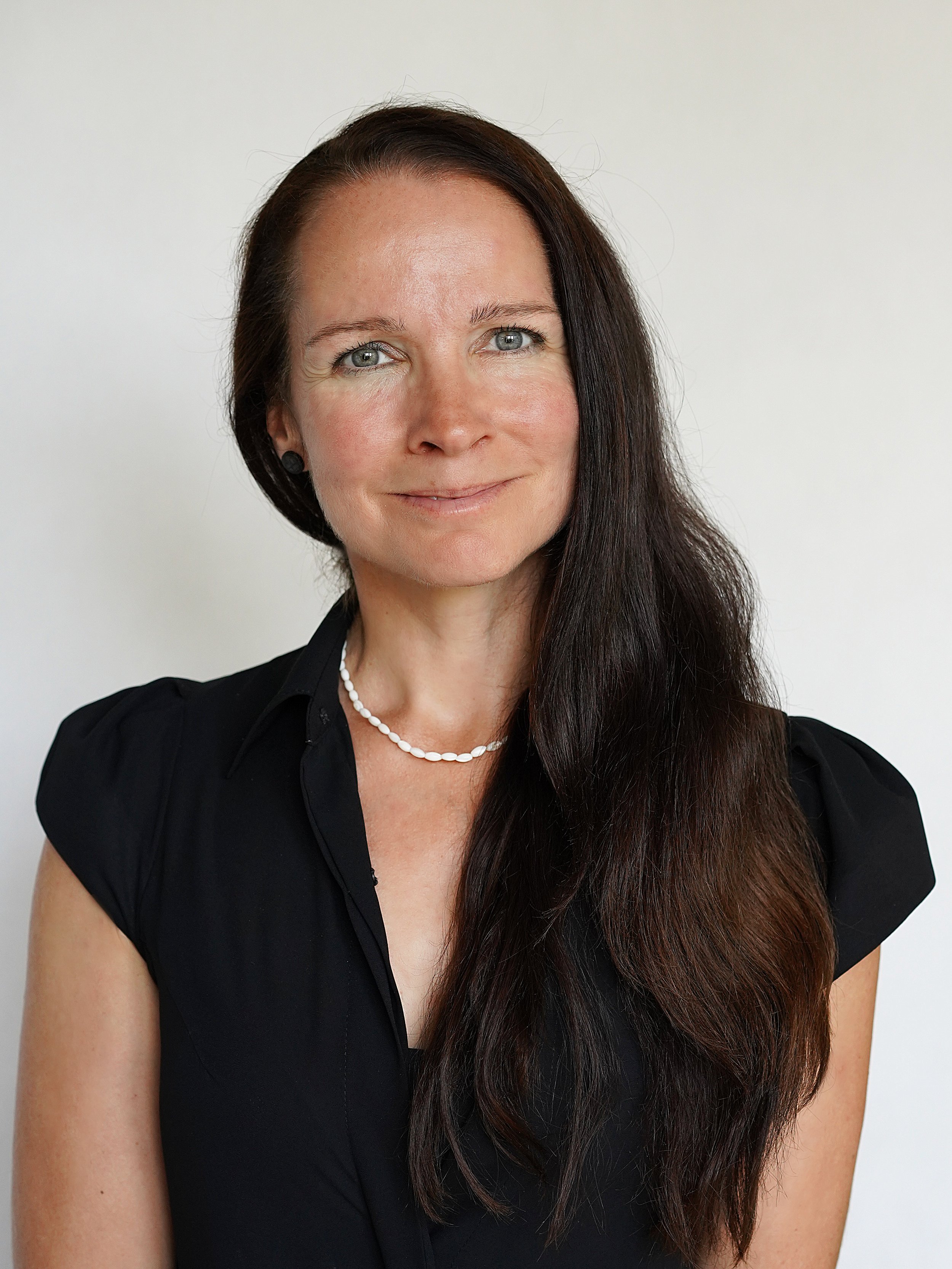
Klára Šámalová
Czech Republic
Klára Šámalová graduated from the Faculty of Social Sciences at Charles University in Prague in 2007 with a degree in International Relations. In 2011, she earned the PhDr. title after defending her rigorous thesis in the same field. From 2008 to 2016, she worked at the Ministry of Labour and Social Affairs, within the Department of EU and International Cooperation. She was responsible for bilateral cooperation with international partners and also served as a coordinator during the Czech Presidency of the Council of the European Union in 2009. Since 2016, she has been working at the Czech Academy of Sciences. Initially, she focused on bilateral cooperation, and since 2018, she has been responsible for cooperation with international organizations.
-
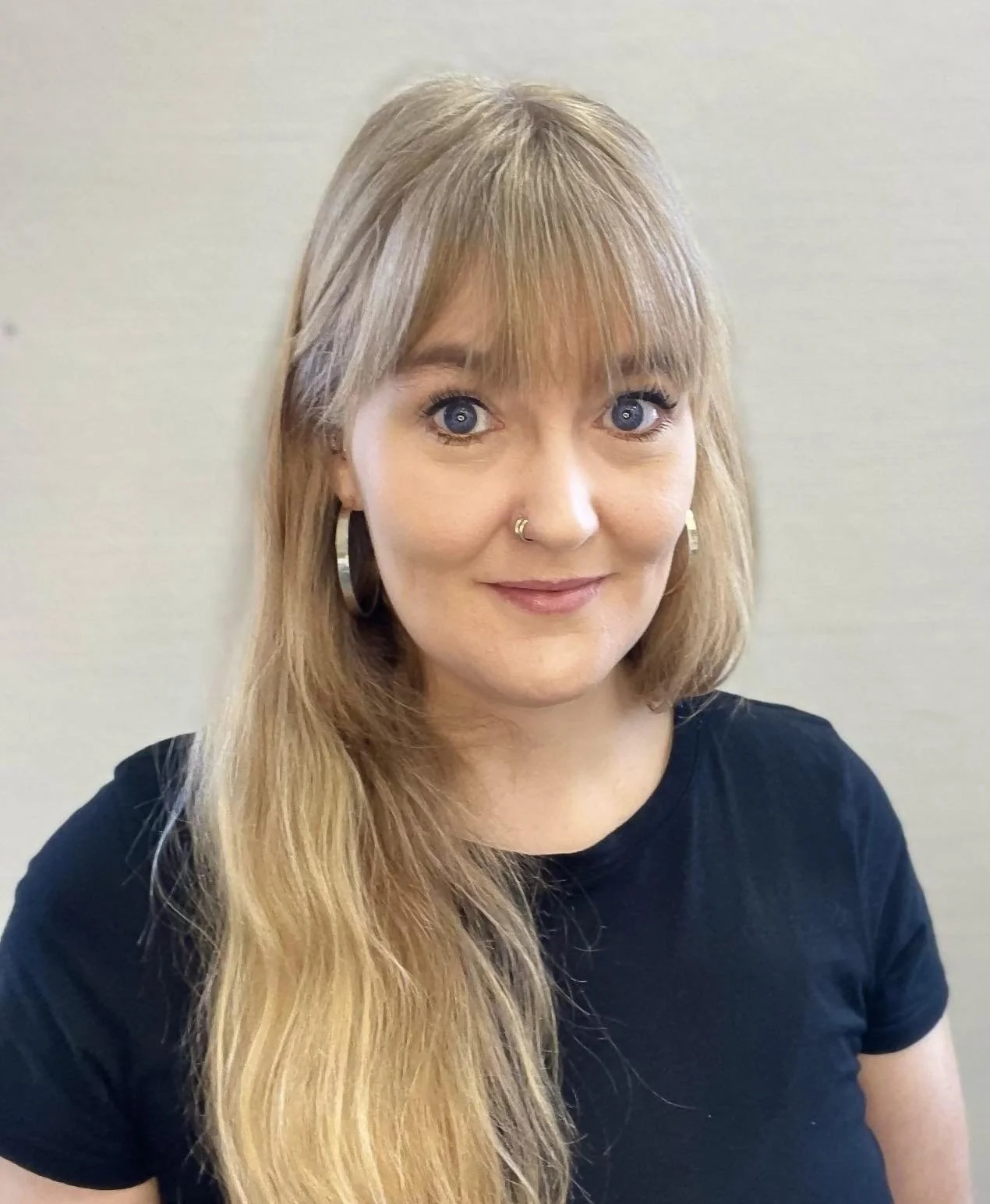
Eva-Maria Schnelten
United Kingdom
Eva-Maria Schnelten is the International Officer at the Royal Society of Edinburgh. In her role, she supports the RSE International Committee, the RSE regional working groups (Africa, Asia Pacific, and North America), and the UK & Ireland Academies Human Rights Committee of Academies. By supporting various projects in research and innovation, and by maintaining and developing partnerships with sister academies and relevant organisations, she helps deliver the RSE’s aims and objectives of promoting mutual learning and stimulating collaboration.
-
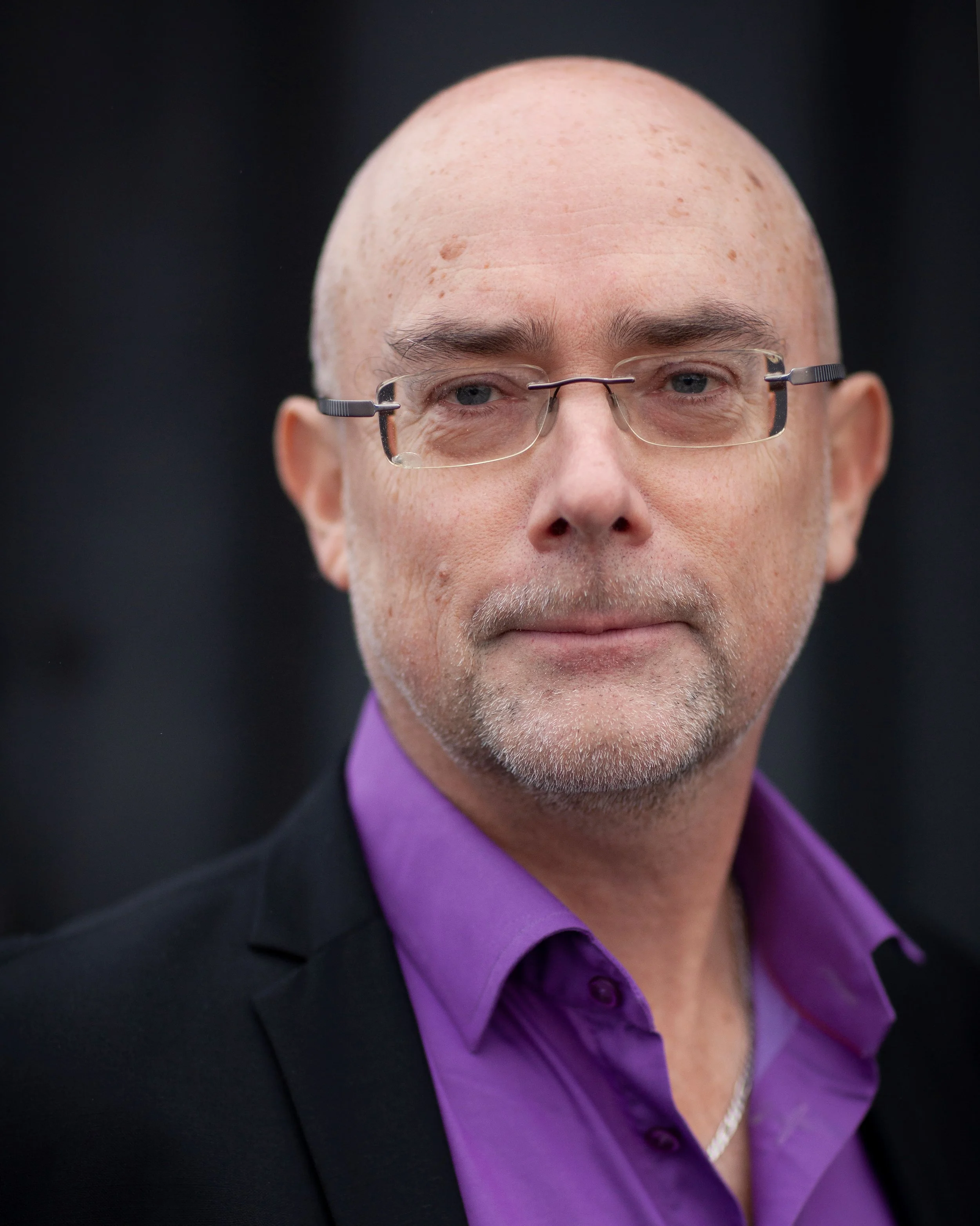
Stefan Svallfors
Sweden
Stefan Svallfors is the chair for The Human Rights Committee of Sweden’s Scientific and Literary Academies. He is a professor in Sociology at the Institute for Futures Studies in Stockholm, a member of the Royal Swedish Academy of Sciences, and the former Secretary General for the Humanities and Social Sciences at the Swedish Research Council. His research concerns different forms of expertise and their role in politics and public policies.
-
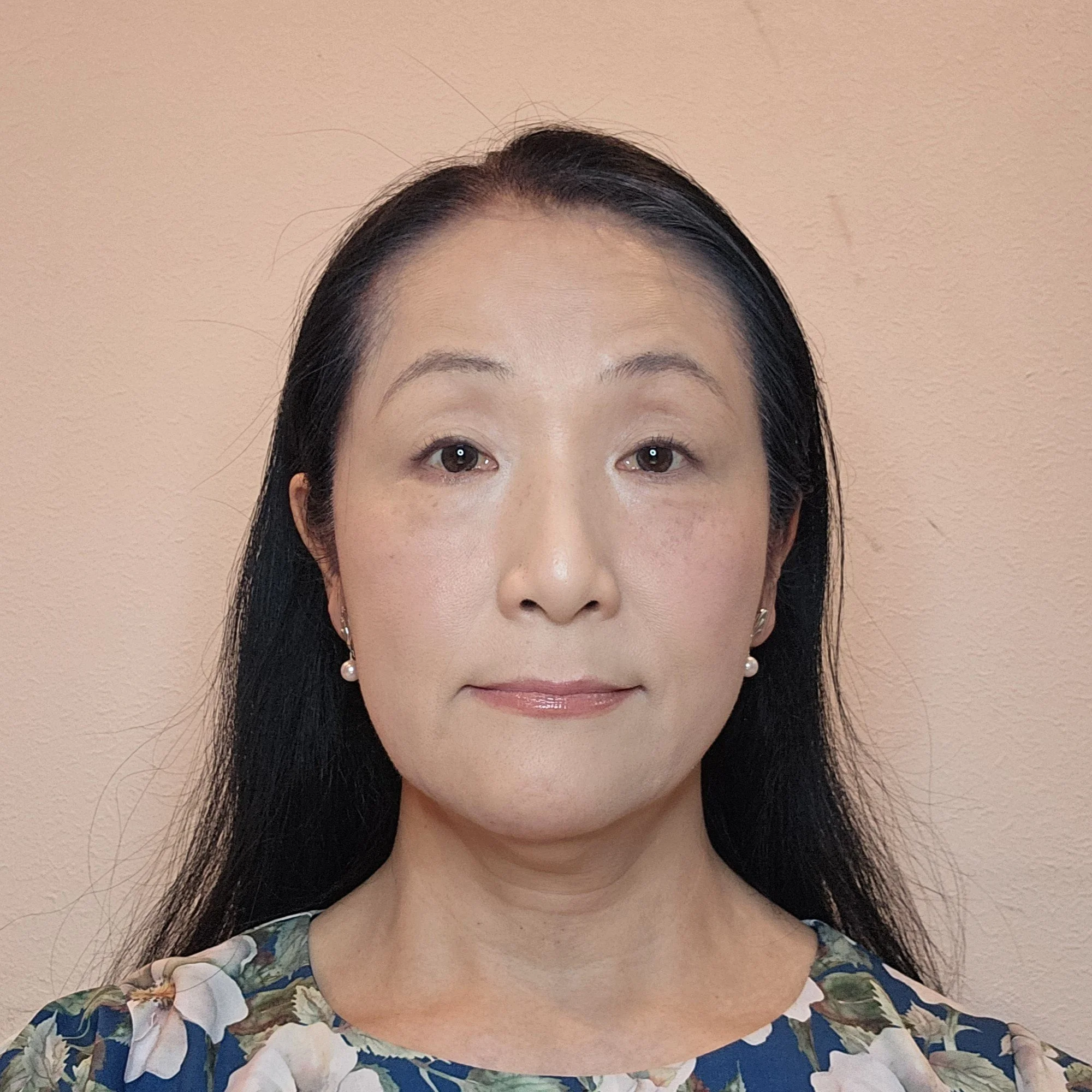
Kanako Takayama
Japan
Born in July 1968, Kanako Takayama graduated in 1991 from the University of Tokyo Faculty of Law. She then went on to the University of Tokyo Graduate School, where in 1993 she completed a master's program and began her professional career as a research assistant. In 1996, she became a lecturer at the Seijo University. After spending the years 1999-2000 at the University of Cologne as a Humboldt research fellow, she returned to Seijo to become an associate professor. In 2002, she moved to the Kyoto University Graduate School of Law, where she has been serving as a professor since 2005. In 2006, she was awarded the Cross of the Order of Merit of the Federal Republic of Germany. In the Science Council of Japan, she was an Associate Member (2006-2017) and then an ordinary member (2017-2023). After that, she has been a special associate member of the Council (2023-). Her current positions include Deputy Secretary General of the International Association of Penal Law (AIDP/IAPL, since 2004), Executive Member of the Criminal Law Society of Japan (since 2009), Executive Member of Japanisch-Deutsche Gesellschaft für Rechtswissenschaft (Society of German-Japanese Law, since 2009), Executive Member of the Humboldt Association of Japan (since 2013), and Corresponding Member of Gesellschaft für Rechtsvergleichung (Society for Comparative Law, since 2016).
-
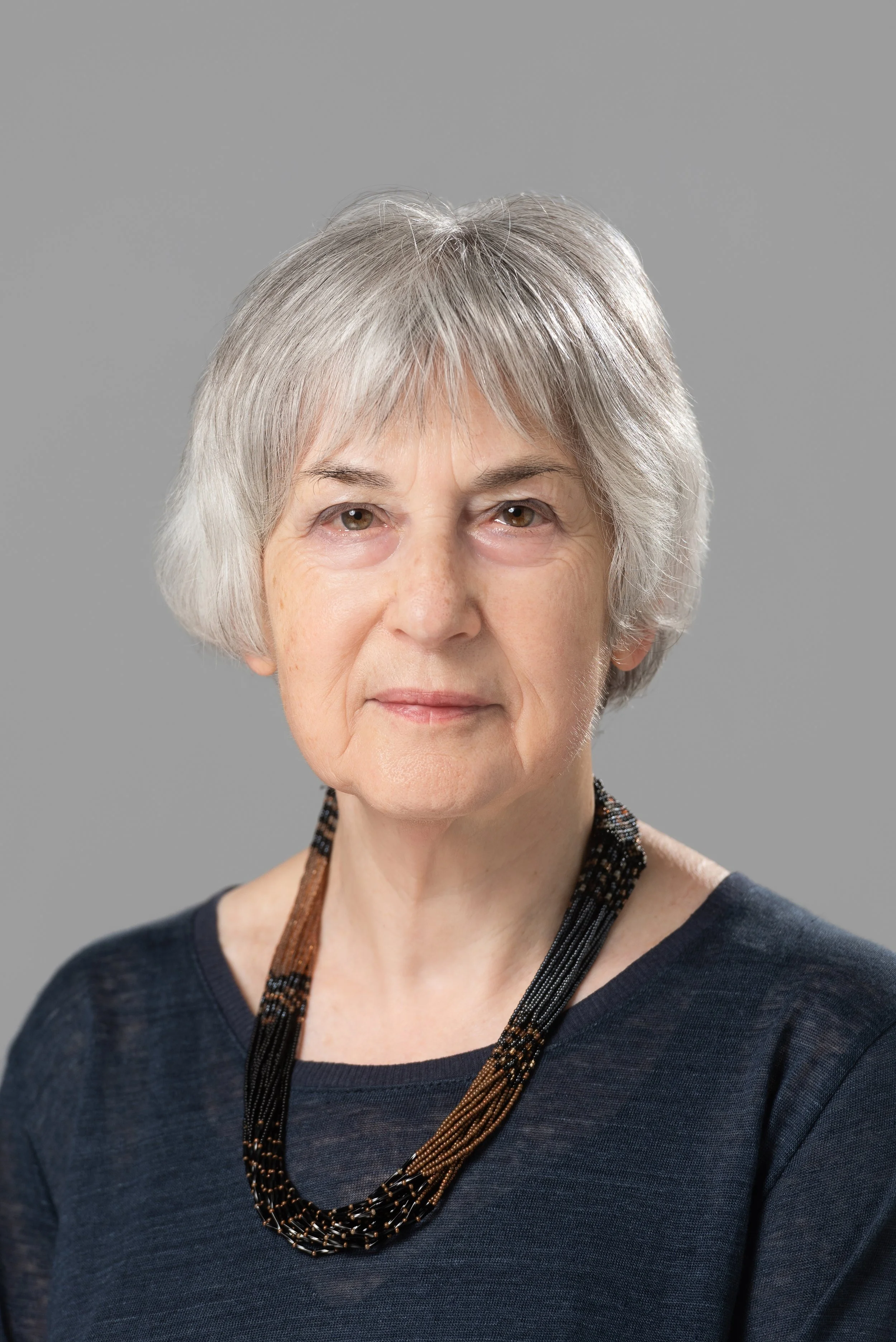
Veronica van Heyningen
United Kingdom
Veronica van Heyningen CBE FRS FRSE is the FMedSci Fellows’ representative on academic freedom and human rights issues at the Royal Society, UK (recent blog). She is a Human geneticist, retired from the MRC Human Genetics Unit, Edinburgh. She works on identification and functional analysis of genes implicated in normal and aberrant eye development. She is Honorary Professor at UCL Institute of Ophthalmology. She formerly chaired the Diversity and Inclusion Committee of The Royal Society and is Past President of the European Society of Human Genetics and of the Genetics Society (UK). She is also an EMBO member.
-
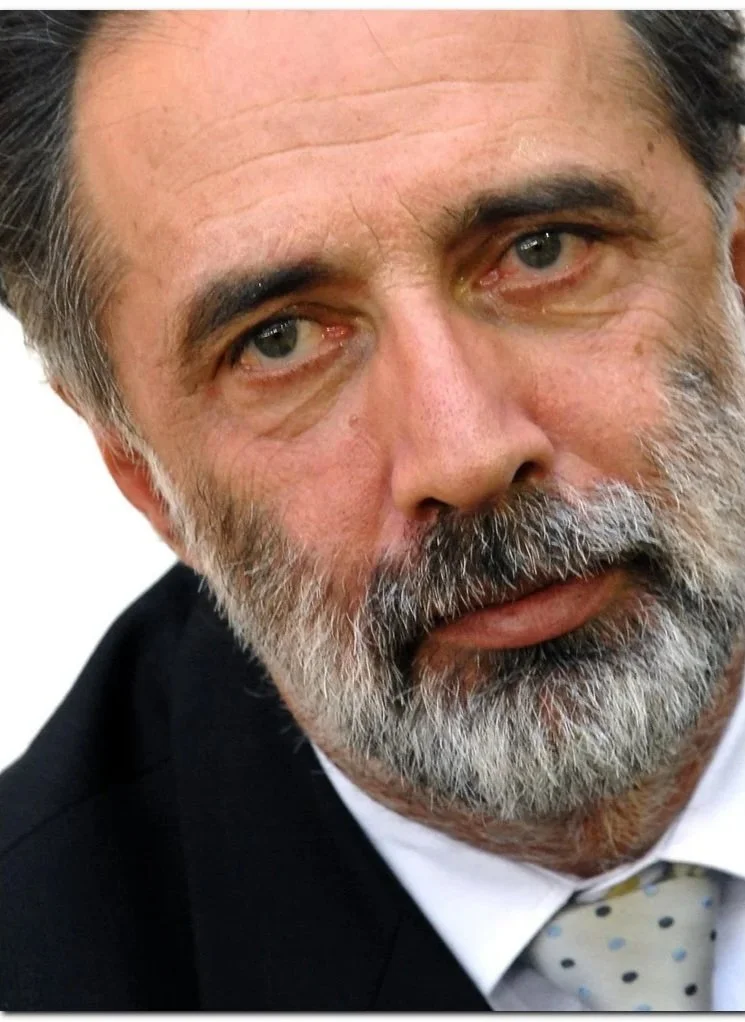
Ilija Vujacic
Montenegro
Ilija Vujacic is professor of Political Theory at Humanistic Studies Faculty, University of Donja Gorica, Podgorica, and a member of Montenegrin Academy of Sciences and Arts (MASA). He studied political science and philosophy at Belgrade University and taught History of Political Theories at the Political Science Faculty of Belgrade University. He is the author of eight books and numerous articles concerning the theory of federalism, the history of political theories, liberal political theory, political transition and democratisation, human rights, and strategies of political integration.
-
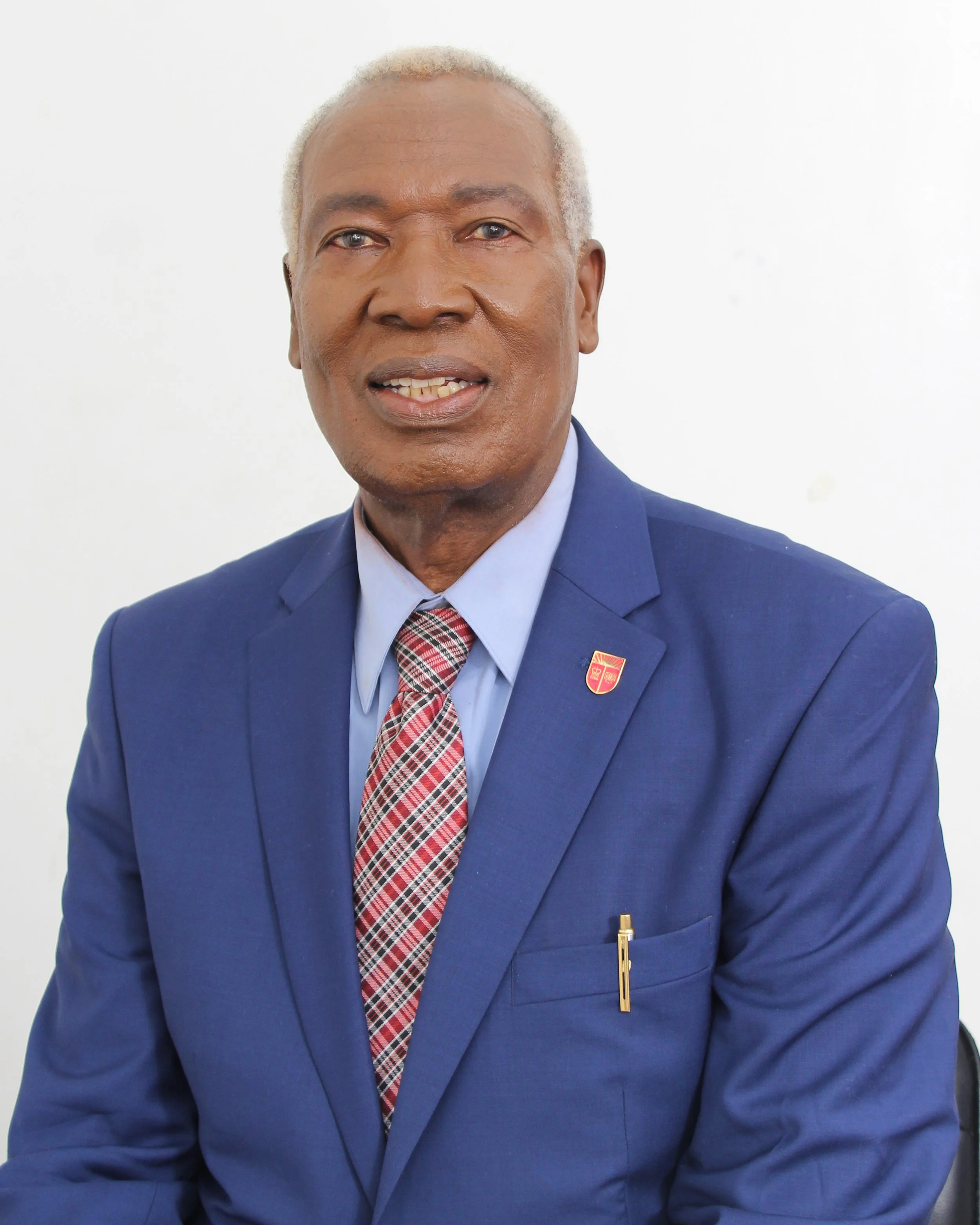
Ratemo Waya Michieka
Kenya
Ratemo Michieka is a member of the staff at the University of Nairobi and has specialized in Agriculture (Weed Science) and Environmental Sciences. He obtained his BSc, MA, and Ph.D. in Weed Science and Environment from Rutgers University, USA. He went for Postdoctoral training at the International Institute of Tropical Agriculture (IITA) prior to his appointment at the University of Nairobi as a lecturer in 1980. He later became the Founding Vice Chancellor of the Jomo Kenyatta University of Agriculture and Technology, where he served for 13 years. Prof. Michieka was later appointed the Director General of the National Environment Management Authority, NEMA, where he articulated the dangers of environmental pollution and natural resources degradation. He was responsible for the production of Kenya’s first report on the State of our Environment. Prof. Michieka has done extensive research in Weed Science, with special emphasis on appropriate management systems, water conservation and food security. His studies in the testing of herbicides assisted in the recommendations of various weed control methods to farmers in East Africa and beyond. He is a strong proponent of using safe pest control management systems to avoid environmental pollution. Prof Michieka is a member of several national and international organizations and has received many awards locally and internationally.
-
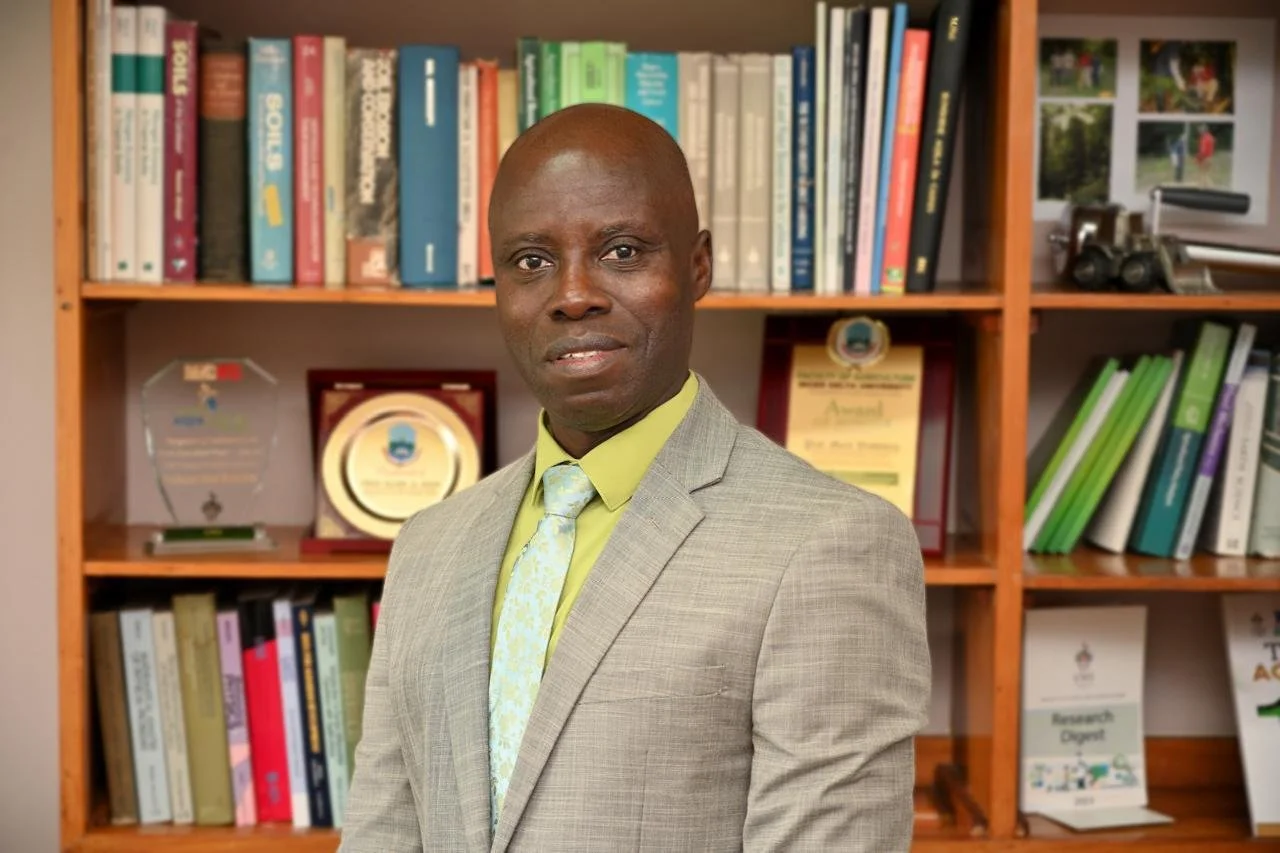
Mark Wuddivira
Trinidad & Tobago
Mark Wuddivira is Dean of the Faculty of Food and Agriculture at The University of the West Indies, St. Augustine, and a Professor of Agri-Environmental Soil Physics. He is a Fellow and the President of the Caribbean Academy of Sciences (CAS). He is a member of the International Science Council's (ISC) Small Island Developing States (SIDS) Liaison Committee. A recognized expert in agricultural and environmental sciences, his work has been widely published in reputable journals, and he is frequently invited to deliver keynote, expert and panel presentations at high-level meetings. A leading figure in the academic and scientific communities, he champions the amplification of the voice of science in enhancing resilient development in vulnerable regions. He chairs the Editorial Board of Tropical Agriculture Journal and is an Associate Editor of the Journal of Plant Nutrition and Soil Science (Wiley). He serves on various steering committees and advisory boards.
-
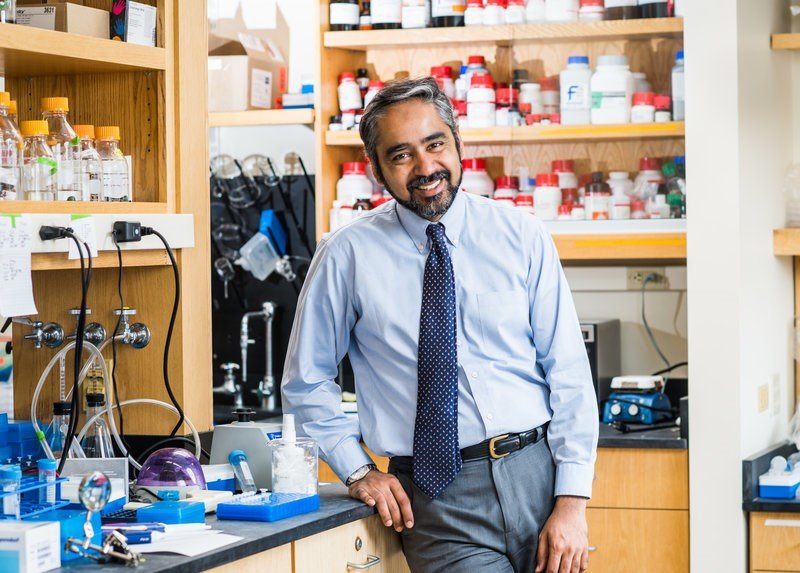
Muhammad Hamid Zaman
United States
Muhammad Hamid Zaman is an HHMI professor of Biomedical Engineering and Global Health at Boston University, and the inaugural director of the Center on Forced Displacement at Boston University. He received his Master’s and P.h.D from the University of Chicago. In addition to 5 books and over 175 peer-reviewed research articles, Professor Zaman has written extensively on innovation, refugee, and global health in newspapers around the world. His newspaper columns have appeared in over 30 countries and have been translated into eight languages. He has won numerous awards for his teaching and research, the most recent being the Guggenheim Fellowship (2020) for his work on antibiotic resistance in refugee camps.
DNVA Members and Staff
-
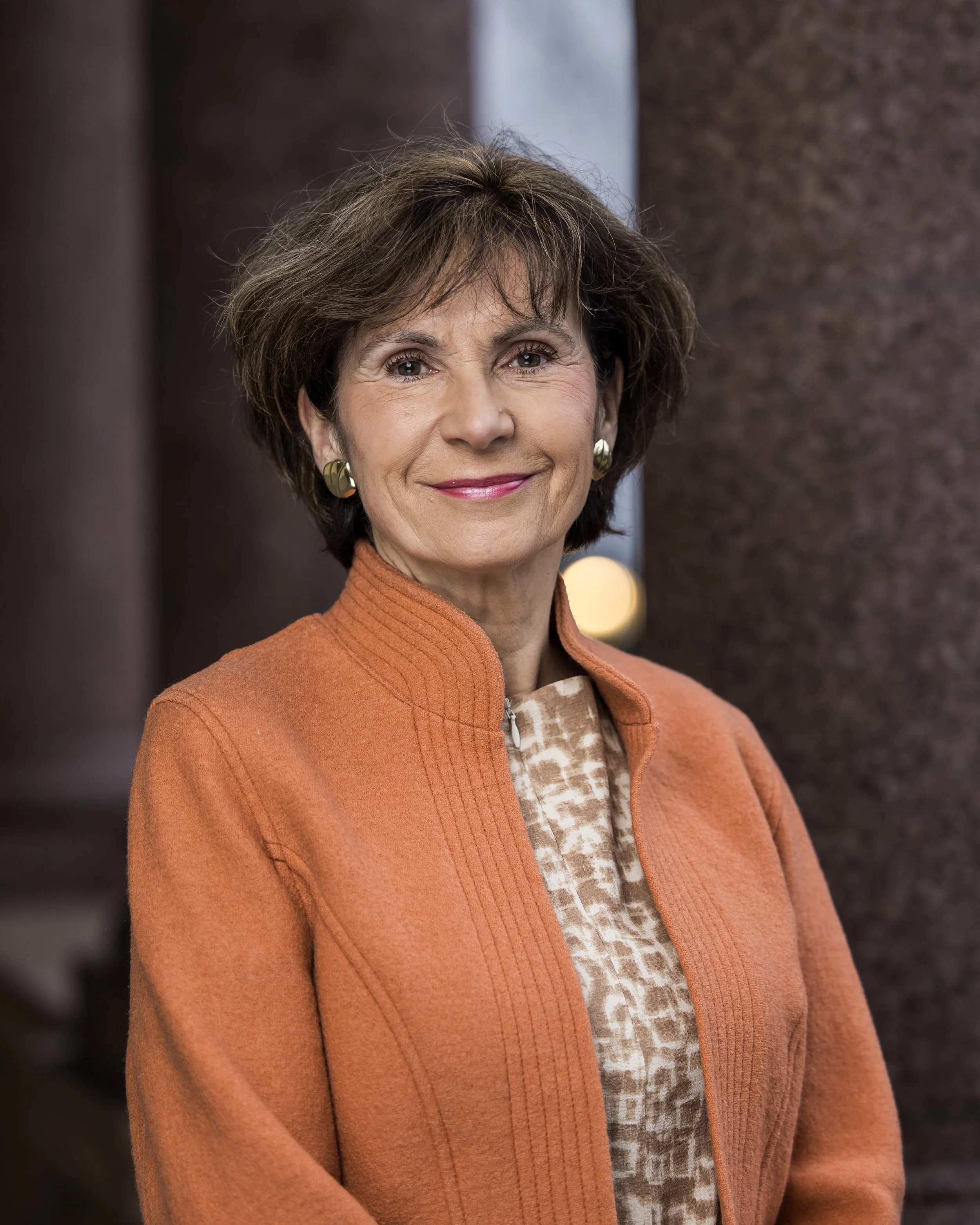
Marit Westergaard
Secretary General, DNVA
Marit Westergaard is Secretary General of The Norwegian Academy of Science and Letters. She is also Professor of Linguistics at the Department of Language and Culture at UiT The Arctic University of Norway, where she has built up an active and productive research community on language acquisiiton and multilingualism, currently housed in the Center for Language, Brain & Learning (C-LaBL). She has directed several research projects and centers, also supervising a number of students and postdocs. She has published widely on first, second and third language acquisition, heritage languages and language attrition, as well as comparative syntax, both modern and diachronic. She has also developed two theoretical models in the field: The Micro-Cue Model of first language acquisition and the Linguistic Proximity Model of multilingual language acquisition, models that increase our understanding of the immensely complex human ability of learning and speaking a language (or several).
-
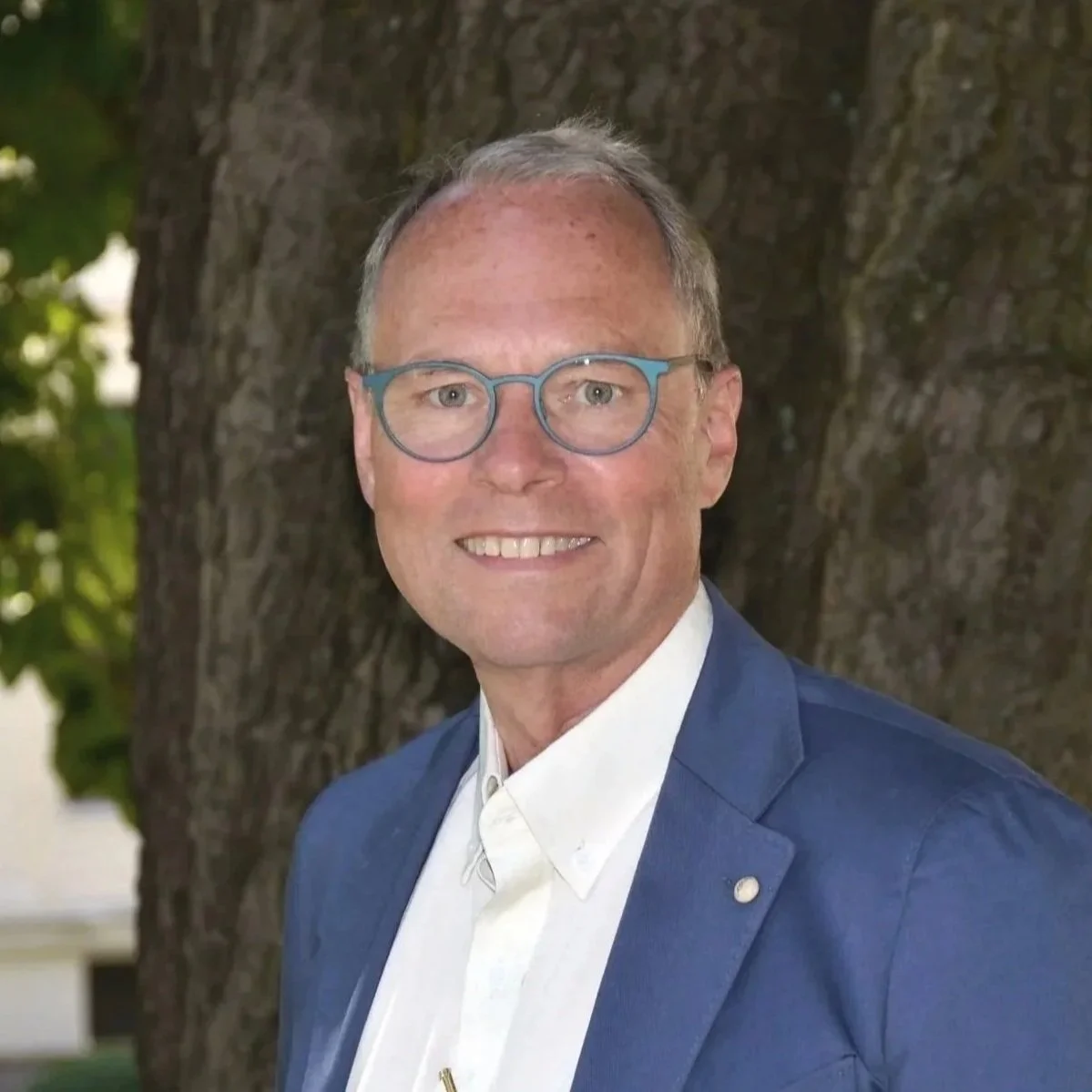
Hans Petter Graver
Chair, Human Rights Committee, DNVA
Hans Petter Graver received the degree of cand. jur in 1980, and was awarded a Doctorate of Laws (dr. juris) in 1986 - both degrees from the University of Oslo. In 1993, he was appointed Professor in Sociology of law with an obligation to teach administrative law. He was director of the Centre of European Studies (ARENA) 2001-2003 and Dean of the Law faculty 2008-2015. In 2012, he was visiting fellow at Heidelberg University and in 2016 he was visiting fellow at the Institute of Advanced Study, Durham University. He is presently a member of the advisory council of the IAS. He has authored numerous books and articles over a wide field of subjects, including administrative law, competition law, fundamental rights, sociology of law, legal history, legal theory, argumentation and rhetoric. Presently he is principal investigator of a research project on Judges under Stress - the Breaking Point of Judicial Institutions. Dr. Graver was president of the Norwegian Academy of Science and Letters from 2019-2021. He was awarded an honorary doctorate at the University of Helsinki in 2010, at the University of Heidelberg in 2017, at the University of Uppsala in 2020 and at the University of Bergen in 2022. He is an honorary member of the Law Society of Finland and a member of the Academia Europaea (2022).
-
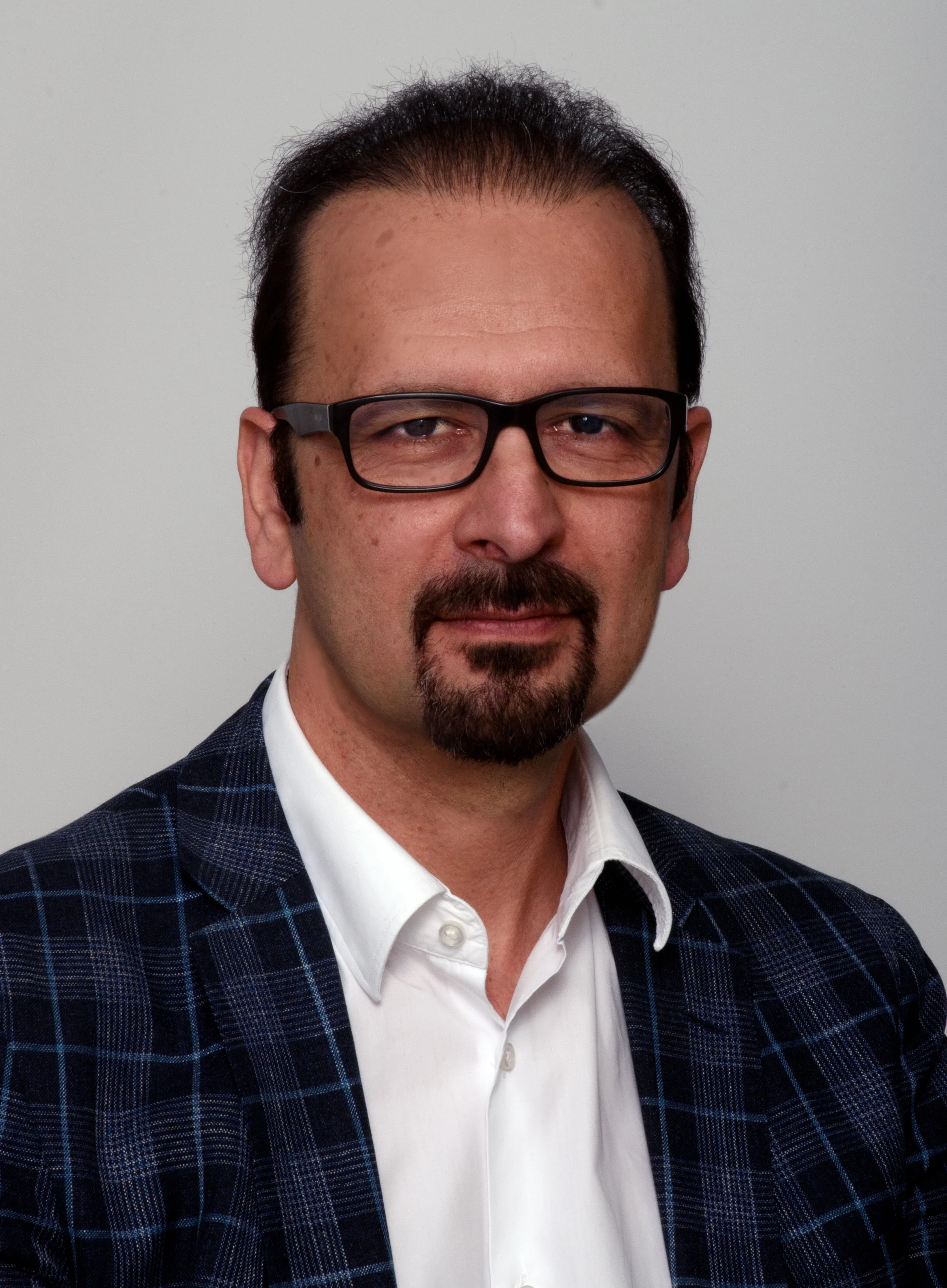
Mahmood Amiry-Moghaddam
Emeritus Member, Human Rights Committee, DNVA
Mahmood Amiry-Moghaddam is Professor of Neuroscience at the University of Oslo and Founder and Director of Iran Human Rights (IHRNGO), established in 2005. He received his MD and PhD from the University of Oslo. He is a member of the Norwegian Academy of Science and Letters and has served on its Human Rights Committee, as well as the Scholars at Risk Committee of the University of Oslo. He has received several awards for both his scientific and human rights work, including the Amnesty International Norway Human Rights Prize (2007) and the Anders Jahre Award for Young Scientists in Biomedical Research (2008). As a the founder of a leading human rights organization, he has played a central role in documenting and advocating against the death penalty and other serious human rights violations in Iran.
-
Nils Lid Hjort
Member, Human Rights Committee, DNVA
Nils Lid Hjort is a Professor of Statistics and Data Science at the Department of Mathematics at the University of Oslo. His research themes are varied, both inside methodological innovations and applications in various domains. He has authored books for Oxford and Cambridge University Press. From 2022-2023, he was co-leader of the project "Stability and Change" at the Centre of Advanced Study, at the Norwegian Academy of Science of Letters, with top scholars from both peace and conflict science and mathematical statistics, studying quantitative aspects of conflict and war.
-
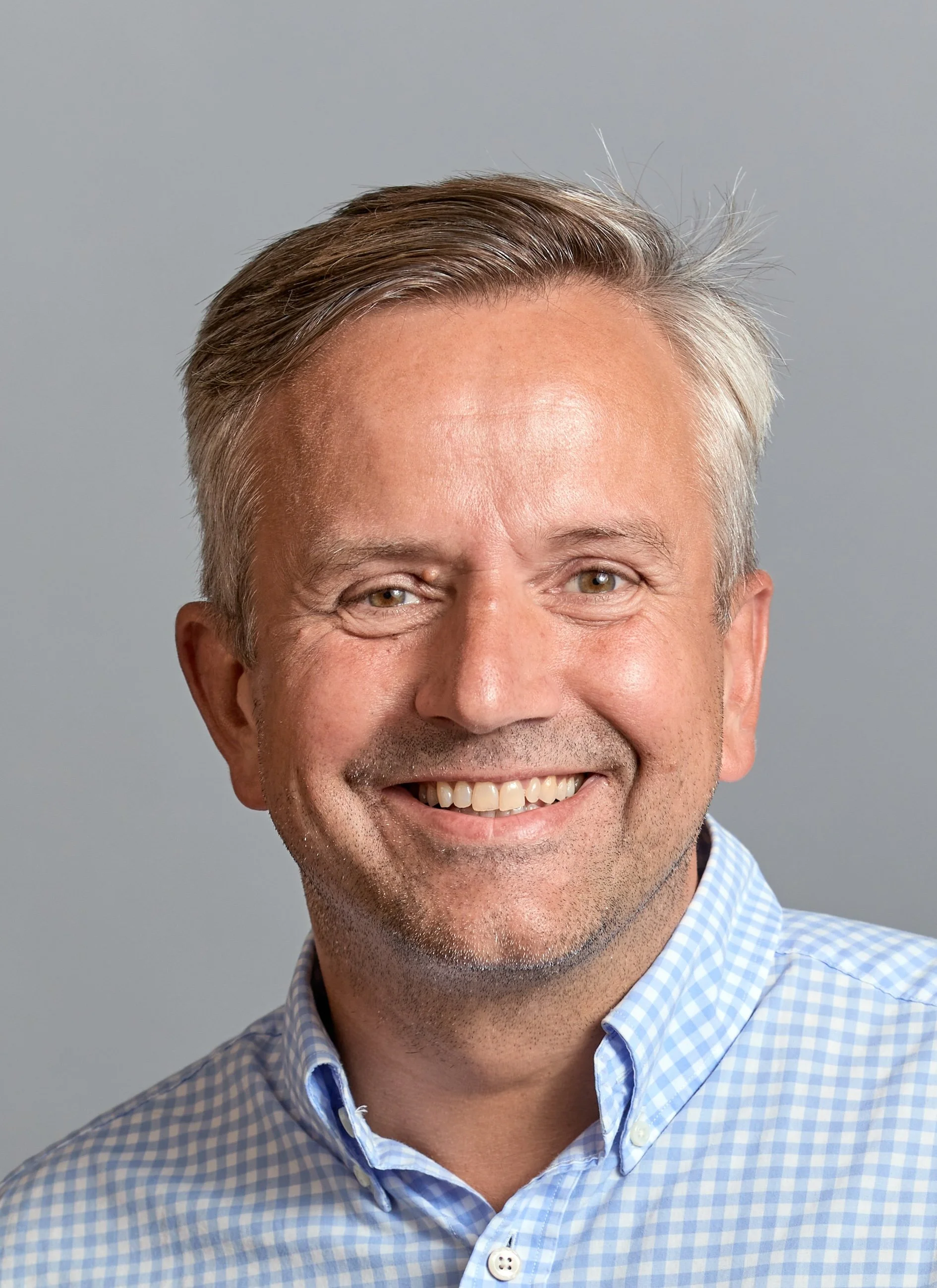
Inge Jonassen
Member, Human Rights Committee, DNVA
Inge Jonassen is professor and head of the Department of Informatics at the University of Bergen (UiB), Norway. He obtained his PhD from the same university in1996 and became a full professor in 2002. His research is focused on computational methods for extracting information and insights from molecular biological data, and he has developed a number of algorithms and tools targeting various data types. He also engages in collaborative projects encompassing basic biology, ecology, and medicine. Dr. Jonassen has been active in building and providing research infrastructures for biological data and led the establishment of the Norwegian node of ELIXIR, the pan-European research infrastructure for bio-data. He has also engaged with artificial intelligence and, in 2022-2023, led the board of NORA, the Norwegian consortium for AI research. He currently chairs the UiB AI steering group, as well as the EU-funded LEAD AI projects including 19 postdoctoral fellows across the UiB.
-
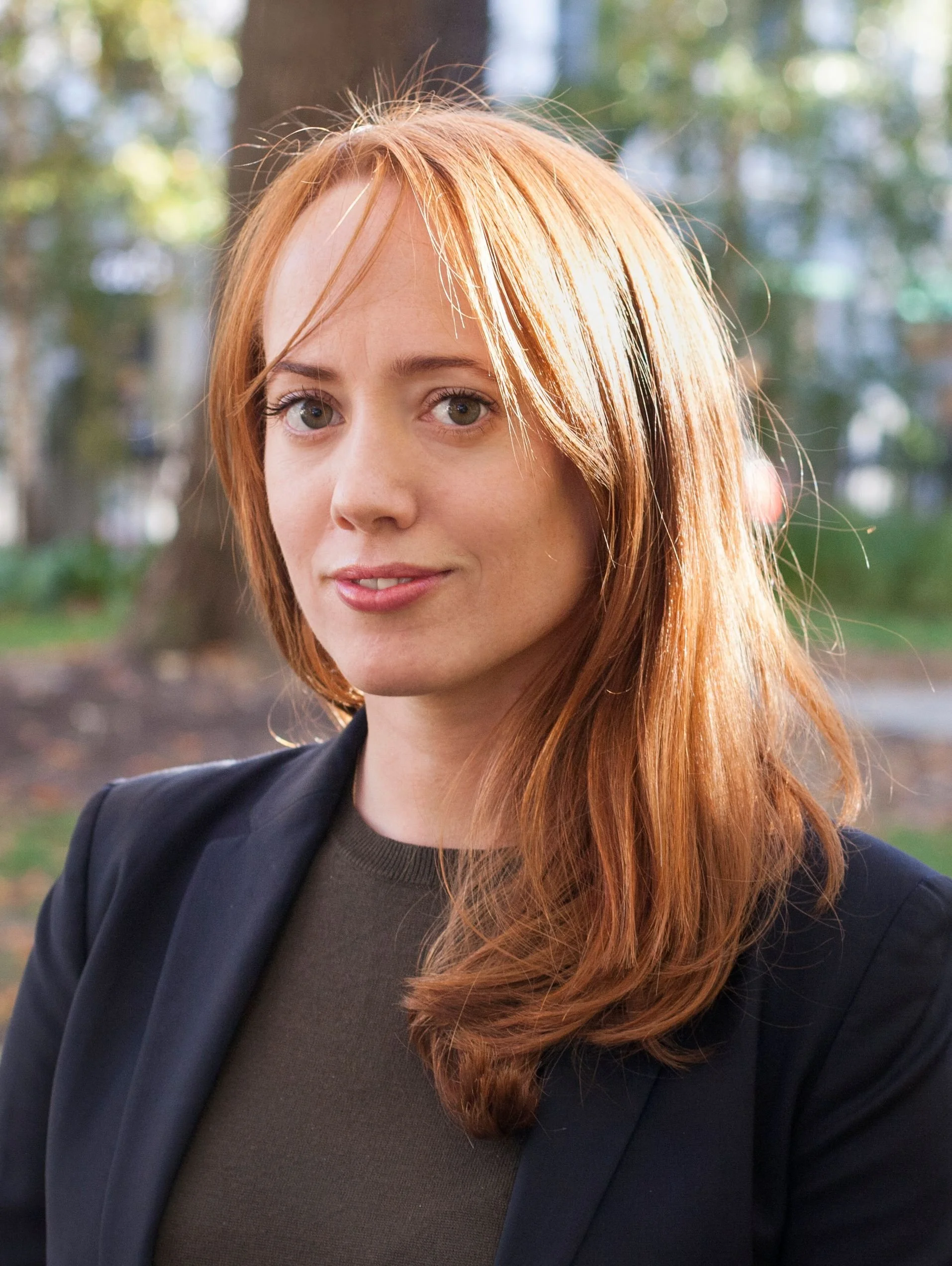
Kjersti Lohne
Member, Human Rights Committee, DNVA
Kjersti Lohne is Professor in Criminology at the University of Oslo, Norway, and Research Professor at PRIO—Peace Research Institute Oslo. Her research mainly focuses on transitional justice and the sociology of international criminal law, counterterrorism, rule of law development, and human rights advocacy. She publishes across the disciplines of criminology, international relations, and international law, and has received several research awards and research grants. Lohne is a member of the Norwegian Academy of Sciences and Letters’ Human Rights Committee.
-
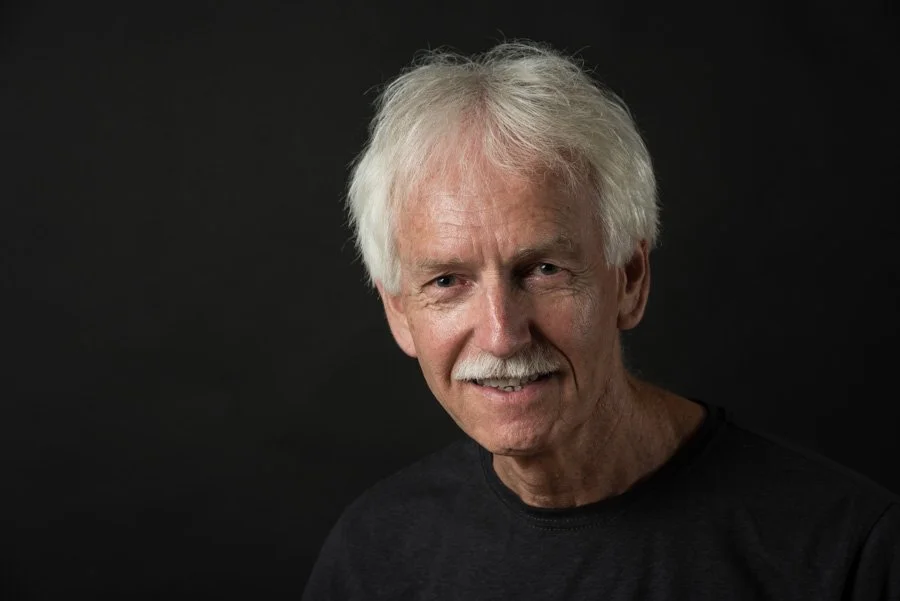
Jakob Lothe
Moderator
Chair Emeritus, Human Rights Committee, DNVAJakob Lotheis Professor of English Literature at the University of Oslo. He has been an invited visiting scholar at St. John’s College, University of Oxford (1996–1997), Harvard University (2005), University of Cape Town (2010), and Regent’s Park College, University of Oxford (2017–2018). His books include Conrad’s Narrative Method (Oxford UP, 1989), Narrative in Fiction and Film (Oxford UP, 2000) and Memory and Narrative Ethics: Holocaust Testimony, Fiction, and Film (Oxford UP, 2025). He has also edited Time’s Witnesses: Women’s Voices from the Holocaust (Fledgling Press, 2017) and Research and Human Rights (Novus Press, 2020). Lothe is a member of the Norwegian Academy of Science and Letters (DNVA) and of the American Philosophical Society. He was the leader of the Norwegian Academy’s Human Rights Committee from 2013–2021.
-
Hugo Lundhaug
Member, Human Rights Committee, DNVA
Hugo Lundhaug is a Professor of Biblical Reception and Early Christian Literature at the University of Oslo, Faculty of Theology. He is also an expert on Coptic manuscripts and literature, with a special focus on the production, use, and transmission of early Christian literature in Egypt, in particular apocryphal texts, as well as the broader literary production of early Christian monks. His central research concerns have included questions of orthodoxy and heresy, censorship, and doctrinal disputes and have methodologically been informed by a range of theoretical perspectives, including material philology, literary theory, and 4E-cognitive approaches to literature and memory, as well as various digital humanities methods. He is a member of the Human Rights Committee of the DNVA and leader of the DNVA Religion and Theology group.
-
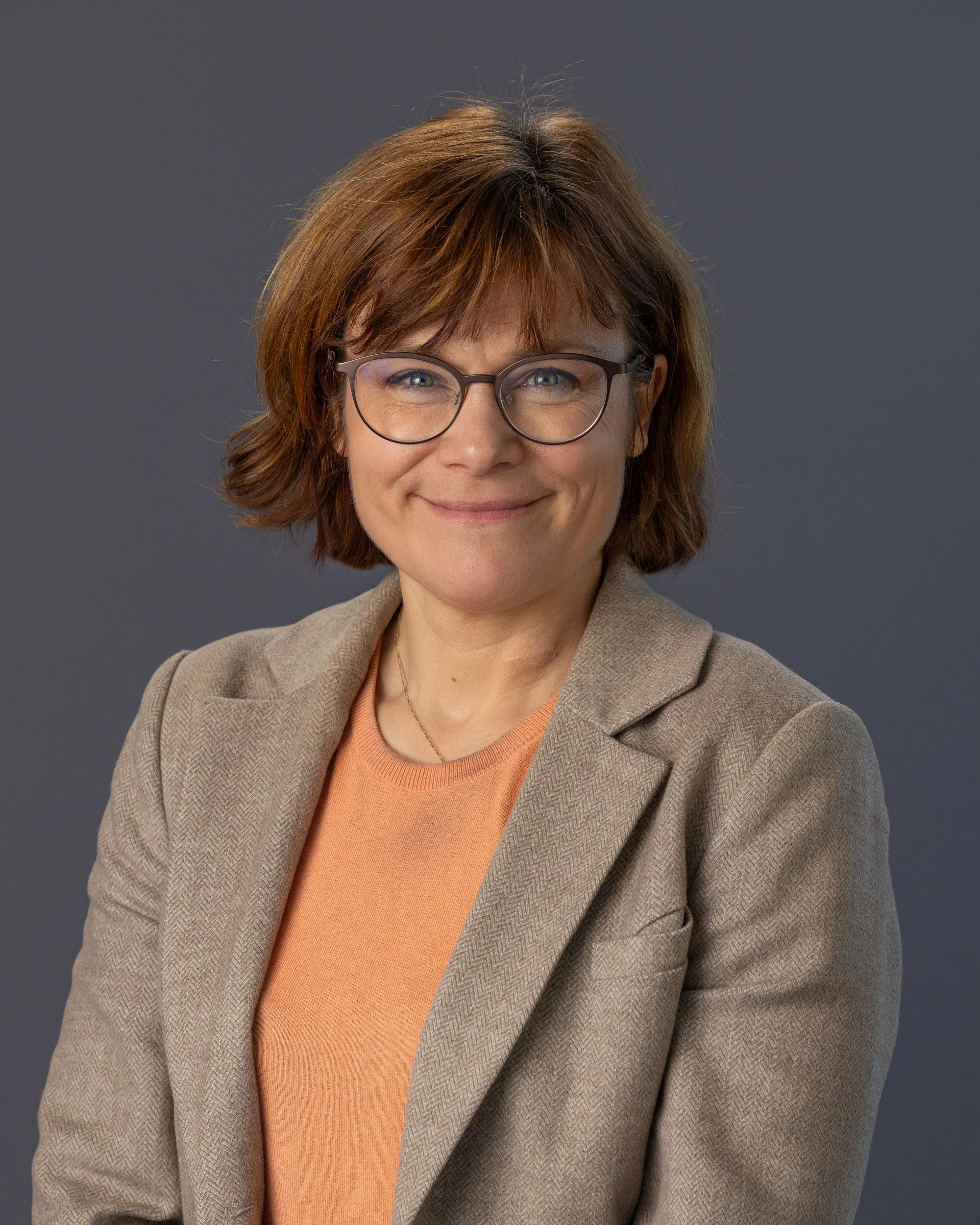
Anna Nylund
Member, Human Rights Committee, DNVA
Anna Nylund is Professor of Law and head of the Research group for civil procedure and dispute resolution at the Faculty of Law, University of Bergen. She holds a LL.D. from the University of Helsinki, Finland, and is a trained mediator. Her main research interests lie in the civil justice system and its relationship to the rule of law, European and comparative civil procedure law, and children’s rights. She is member of the Human Rights Committee at the Norwegian Academy of Science and Letters.
-
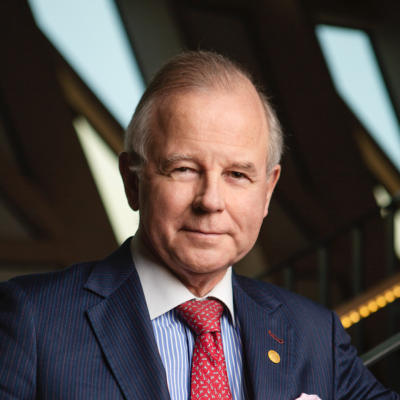
Ole Petter Ottersen
Member, DNVA
Ole Petter Ottersen was the University of Oslo’s elected President from 2009 to 2017 and served as President of the Karolinska Institutet in Sweden from 2017 to 2023. Ole Petter Ottersen was Director of one of Norway’s Centres of Excellence (Centre for Molecular Biology and Neuroscience) from 2002 to 2009 and chaired The Lancet-University of Oslo Commission on Global Governance for Health from 2011 to 2014. He was Founding Chair (2016-2017) and Acting General Secretary (2023-2024) of the Guild of European Research-Intensive Universities–a European university network that is headquartered in Brussels and that aims to contribute to the EU research, health, and innovation agenda. Professor Ottersen is cofounder of One Europe for Global Health (OEGH). He is currently Professor and Chair of the Sustainable Health Unit at the University of Oslo, Visiting Professor at Charité (Berlin), Vice President of the Virchow Foundation, and co-chair of a new Lancet commission on Global Governance for Health.
-
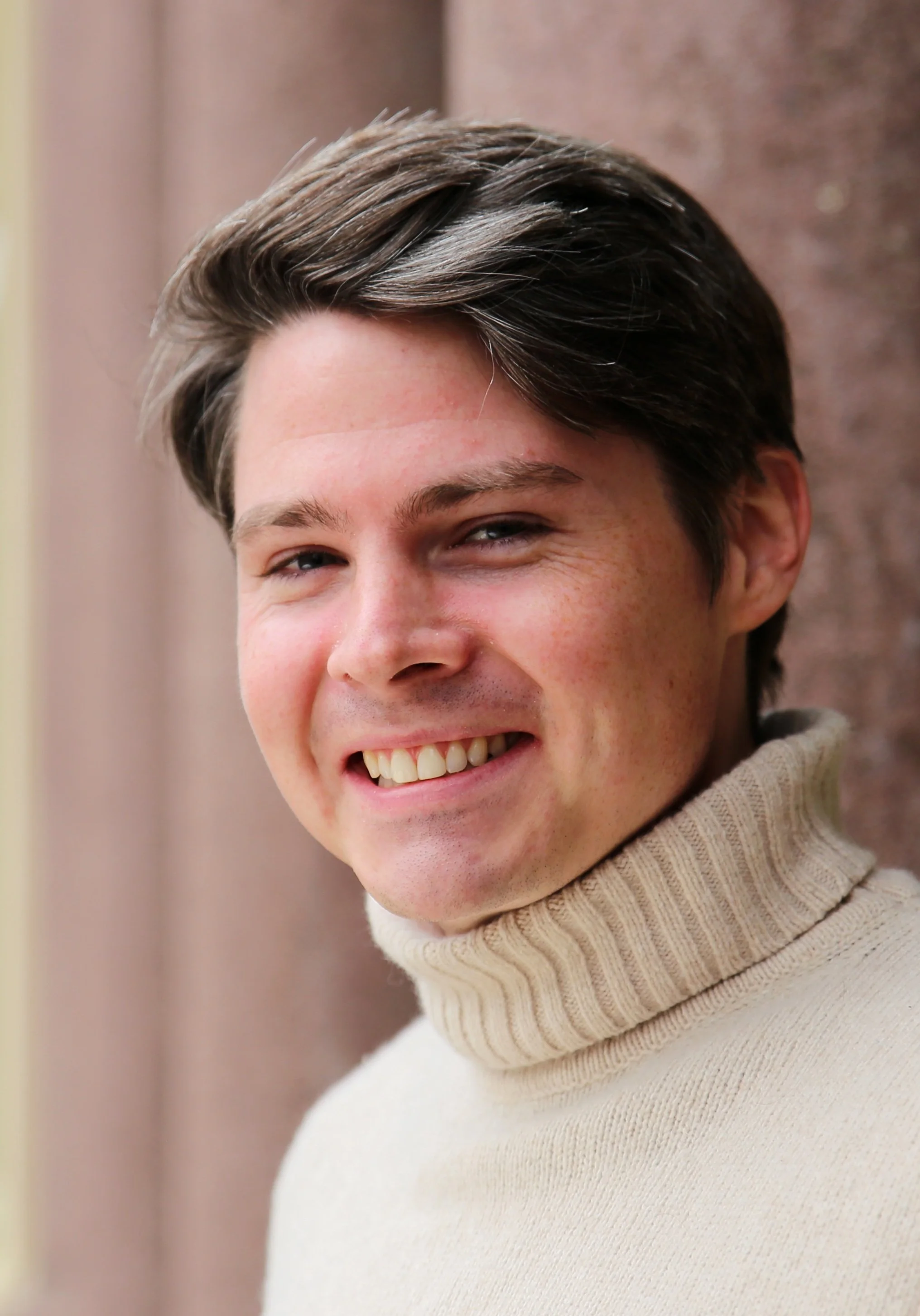
Håkon Sandbakken
Secretary, Human Rights Committee, DNVA
Håkon Sandbakken is the current Secretary of the Human Rights Committee at the Norwegian Academy of Science and Letters. He has an academic background in political science, economics, innovation, and knowledge studies. At the Academy, he primarily serves as coordinator of VISTA, a basic research program run in partnership with Equinor, Norway’s largest energy company.
-
Eva Halvorsen
Project Manager
Eva Halvorsen is responsible for international affairs at the Norwegian Academy of Science and Letters.
-
Henrik Pehrsen
Administration
Henrik Pehrsen is a student assistant at the Norwegian Academy of Science and Letters. For the IHRN meeting, he supports event logistics and technical operations—coordinating speaker check-ins and audiovisual setup—to help ensure smooth sessions and a well-run program.
Participating IHRN Executive Committee Members
-
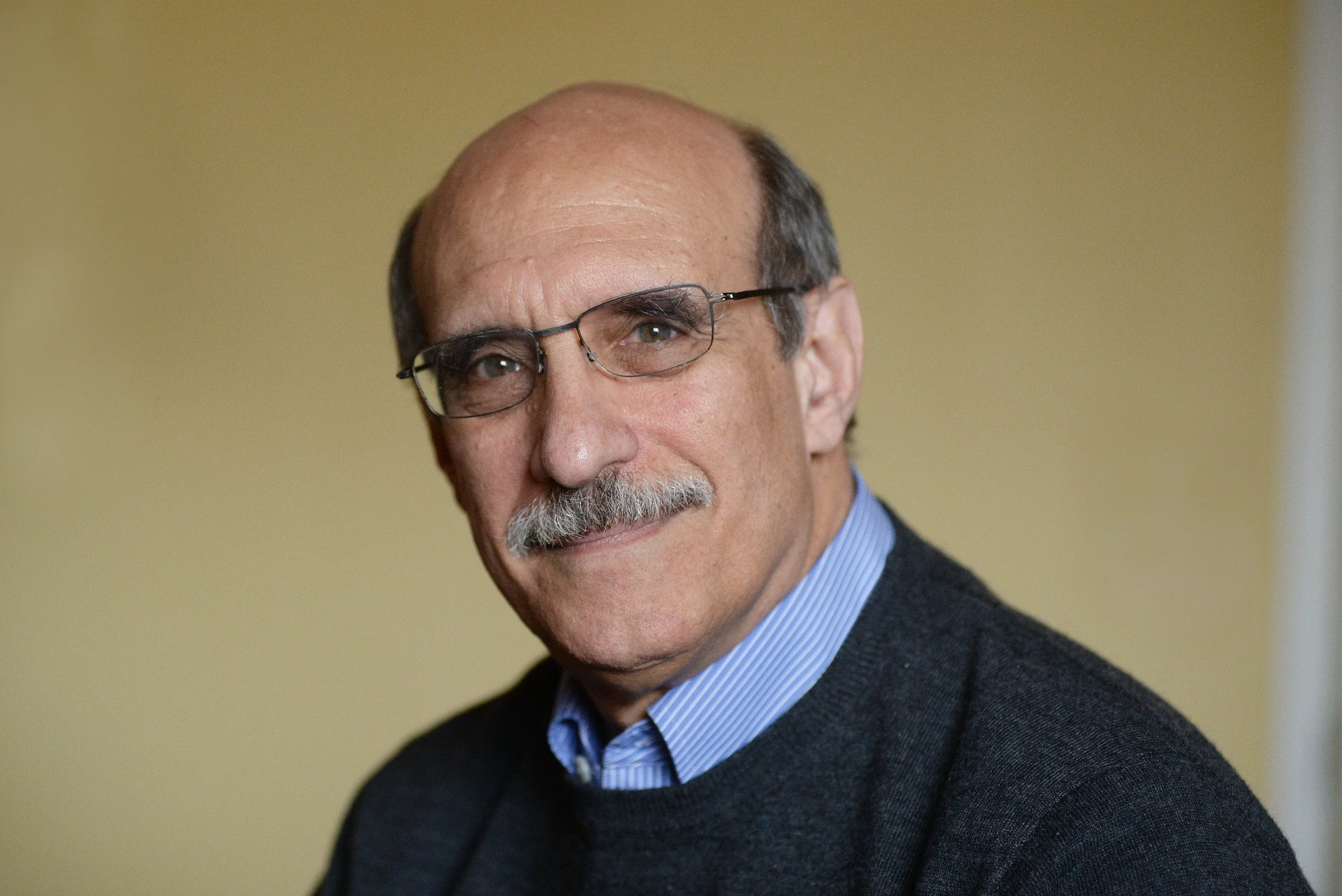
Martin Chalfie
United States of America
Martin Chalfie is University Professor and former Chair of the Department of Biological Sciences at Columbia University. He is a member of the U.S. National Academy of Sciences and the U.S. National Academy of Medicine, where he chairs the Committee on Human Rights. He obtained both his AB and Ph.D. from Harvard University. He is a fellow of the American Academy of Arts and Sciences, the American Association for the Advancement of Science, and the Royal Society of Chemistry (Hon.). He has received numerous awards for his work, such as the 2006 Lewis S. Rosenstiel Award for Distinguished Work in Basic Medical Science from Brandeis University and the 2008 E. B. Wilson Medal from the American Society for Cell Biology, both of which he shared with Roger Tsien. In 2008, he shared the Nobel Prize in Chemistry for his introduction of Green Fluorescent Protein (GFP) as a biological marker with Osamu Shimomura and Roger Tsien. He currently serves on the Executive Committee of the International Human Rights Network of Academies and Scholarly Societies.
-
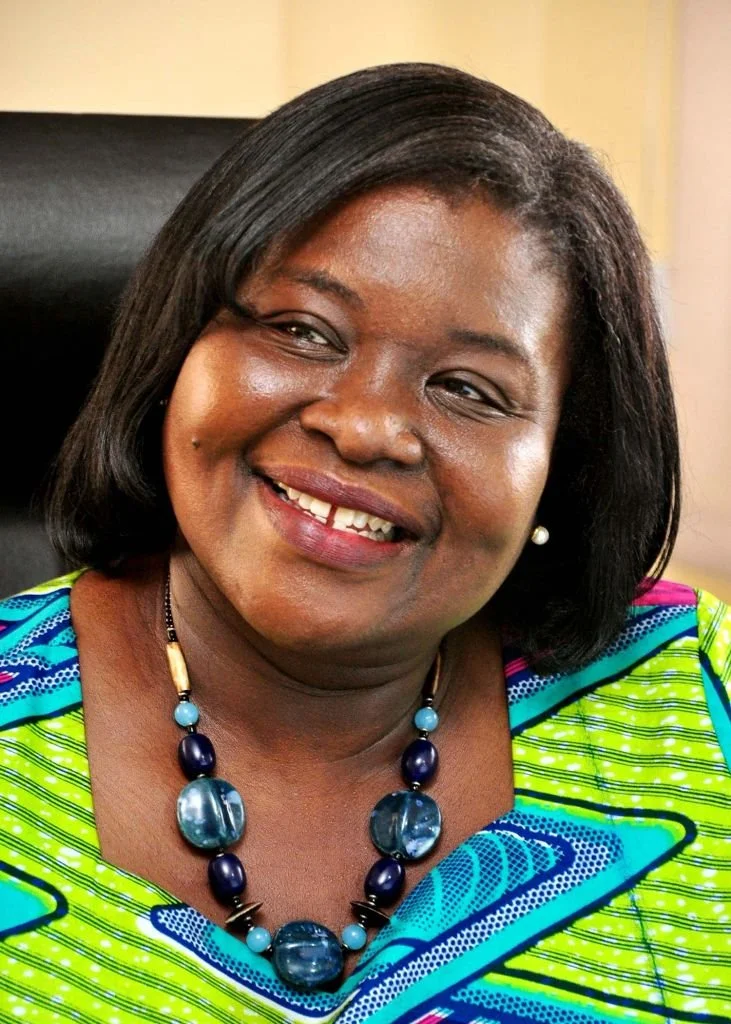
RoseEmma Mamaa Entsua-Mensah
Ghana
RoseEmma Mamaa Entsua-Mensah holds a Ph.D. in Fisheries Science from the University of Ghana. She is a Fishery Scientist and an Aquatic Ecologist and served as Chief Research Scientist and Deputy-Director General at the Council for Scientific and Industrial Research, Ghana from 2008-2018. She was one of the few African scientists involved with the Millennium Ecosystem Assessment (2004-2005), and she has to her credit over 100 publications. She was a member of the Fisheries Commission, Ghana from 2006-2008, of the Board of Trustees of the World Fish Centre (2012-2017), and of the African Women in Agricultural Research and Development International Steering Committee (2011-2017). She was awarded the Duke of Edinburgh Gold Award in 1978 and the Tonolli Memorial Award for Limnologists in 1994. In 2013, she was adjudged Africa’s Most Influential Woman in Agricultural Research for her work in fisheries by the NGO Group Creating Excellence in Organizations in South Africa. She is a Fellow of the Ghana Academy of Arts and Sciences and was the Chair of the University of Ghana College of Basic and Applied Sciences Advisory Board (2019-2022). She has gained national and international recognition for her work on coastal lagoons, traditional management of water bodies and the effect of illegal mining on the environment and society.
-
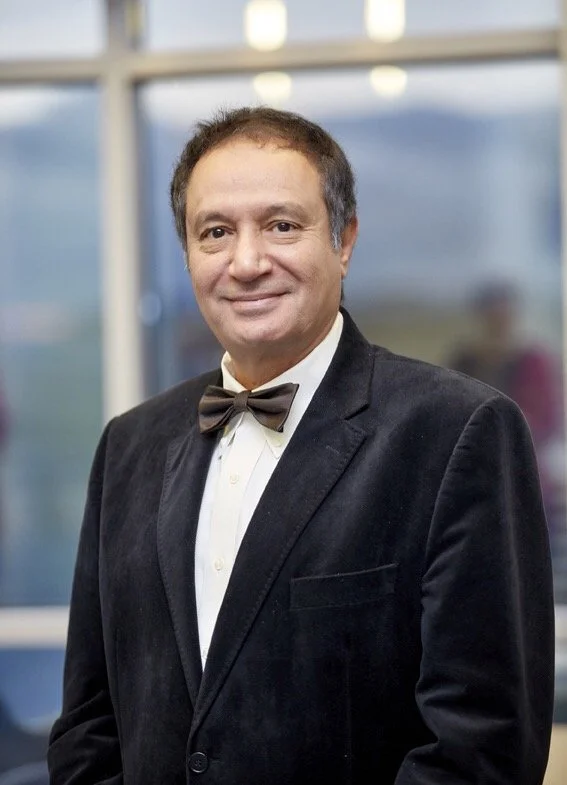
Abdallah S. Daar
Oman/Canada
Abdallah S. Daar is professor of clinical public health, global health, and surgery at the University of Toronto. His work has encompassed surgery, organ transplantation, bioethics, and global health. His major research focus is on the use of life sciences to ameliorate global health inequities, with a particular focus on building scientific capacity and increasing innovation in developing countries, in addition to studying how life saving technologies and interventions can be rapidly taken from “lab to village.” He is a fellow of TWAS, the African Academy of Sciences, the Islamic World Academy of Sciences, the Royal Society (Canada), and the Stellenbosch Institute for Advanced Study. He is the holder of UNESCO's Avicenna Prize for Ethics of Science.
-
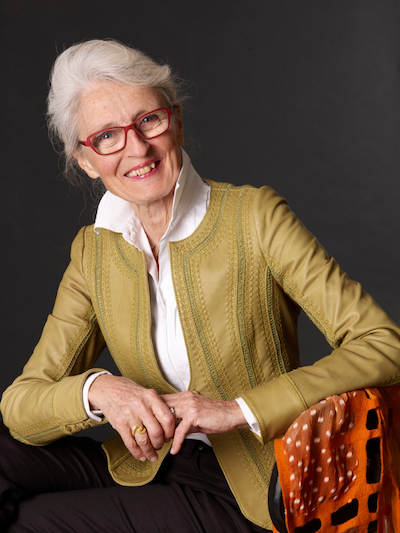
Ida Nicolaisen
Denmark
Ida Nicolaisen is the former vice chair of the UN Permanent Forum on Indigenous Issues and the editor-in-chief of and contributor to the Carlsberg Foundation Nomad Research Project which has published a unique series of 16 scholarly books on Pastoral Peoples in Africa, the Middle East and Asia. She has been associate professor of cultural sociology and anthropology at Copenhagen University and later a senior research fellow at the Nordic Institute of Asian Studies. Nicolaisen has carried out extensive research among indigenous peoples in West Africa and central Borneo and continues her field studies among a tiny indigenous people there, the Punan Bah. She has been on numerous boards both academic and governmental. She is a member of the American Philosophical Society, the American Academy of Arts and Sciences and The Royal Danish Academy of Science and Letters. She has received several awards and the Order of Dannebrog.
-
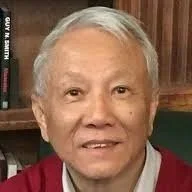
Ovid J. L. Tzeng
Taiwan
Ovid Tzeng is an outstanding researcher in Cognitive Neuroscience and Neurolinguistics and an experienced leader in academic institutions. He was Minister of Education, Minister Without Portfolio, and Minister of Council for Cultural Affairs. He serves as a member of the Board of Directors of Haskins Laboratories in the United States and an advisory board member of the ARC Centre of Excellence in Cognition and its Disorders in Australia. He has also been an academician of Academia Sinica since 1994, an academician of The World Academy of Sciences (TWAS) since 2010, and an active member of The European Academy of Sciences and Arts since 2017. Professor Tzeng was Chancellor of the University System of Taiwan for several years, which was created by him and established to oversee and integrate the research and teaching developments of Taiwan’s four top research universities. Prior to his Chancellorship, he was the Vice President of Academia Sinica for international affairs. He is currently a member of the Executive Committee of the International Human Rights Network of Academies and Scholarly Societies, as well as a member of UNESCO’s Inclusive Literacy Learning for All Project. Since 2000, he has served as a board member of CCKF. He has also served as a board member of Tang Prize Foundation since 2012 and is the Chairman of the University Alliance in Talent Education Development (UAiTED).
IHRN Secretariat Staff
-
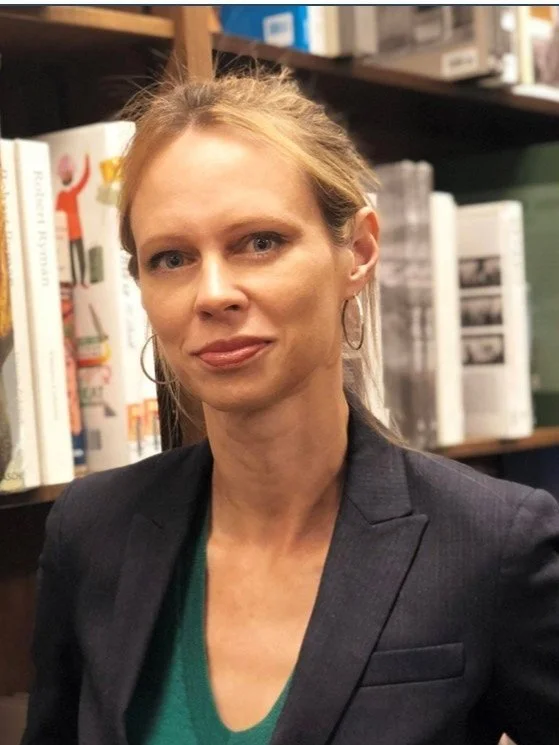
Rebecca Everly
Executive Director
Rebecca Everly serves as Executive Director of the IHRN in her capacity as Director of the Committee on Human Rights of the U.S. National Academies of Sciences, Engineering, and Medicine, which serves as the IHRN’s Secretariat. Dr. Everly is an international lawyer with more than two decades of experience in the areas of human rights and access to justice. Her current work focuses on global challenges at the intersection of human rights and science, technology, and health. From 2007-2014, Everly worked with non-governmental organizations in India and Malaysia to help promote the rights of women and children on issues such as health, education, and labor. She has extensive research and professional experience on rule of law and human rights in post-conflict societies, including as a legal advisor in Bosnia and Herzegovina.
-

Tracy Sahay
Project Manager
Tracy Sahay serves as the Project Manager of the IHRN and as a Program Officer with the Committee on Human Rights of the U.S. National Academies of Sciences, Engineering, and Medicine, which serves as Secretariat to the IHRN. For nearly two decades, Ms. Sahay has facilitated programs addressing human rights concerns in and outside of the United States, including through fieldwork in Nepal and Kenya with Peace Brigades International and advocacy at United Nations human rights bodies with the Open Society Foundations. Ms. Sahay received a Masters of Public Policy (Global Policy and Human Rights Concentration) from the Humphrey School of Public Affairs at the University of Minnesota.