15th Biennial Meeting
-
The Relationship between Academic Freedom and Human Rights
-
September 9-11, 2025
-
The Human Rights Committee of the Norwegian Academy of Science and Letters (DNVA)
-
Oslo, Norway
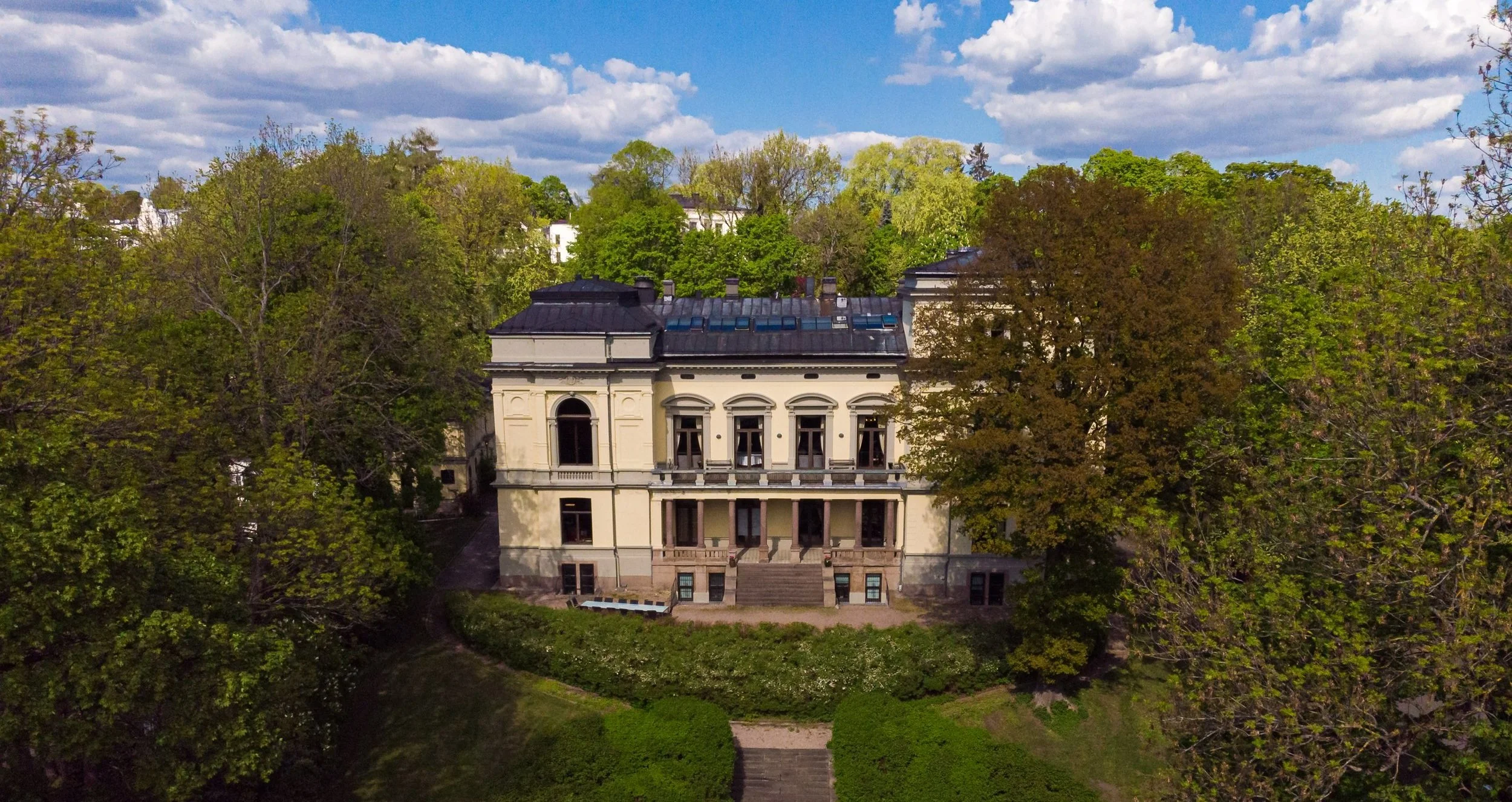
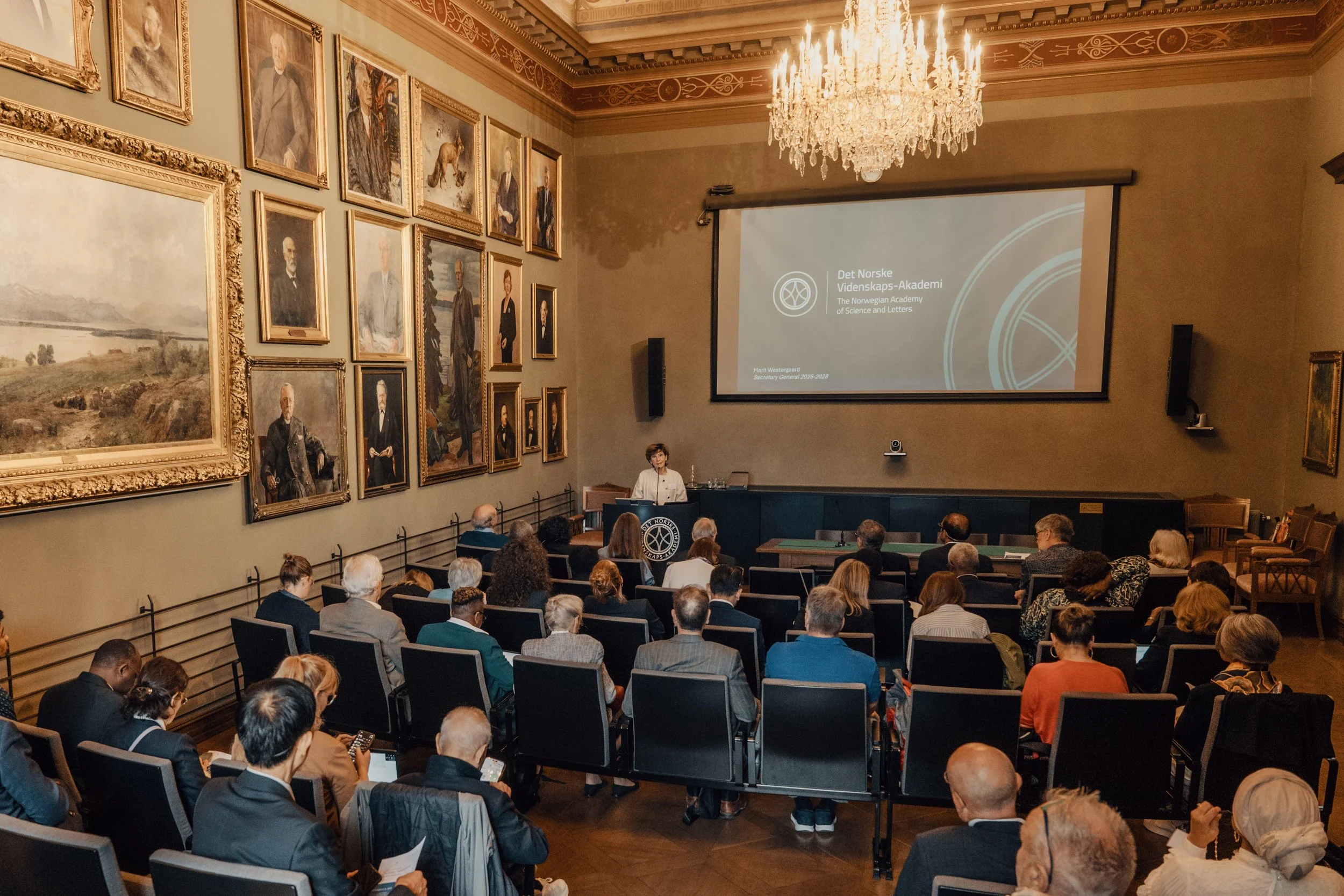
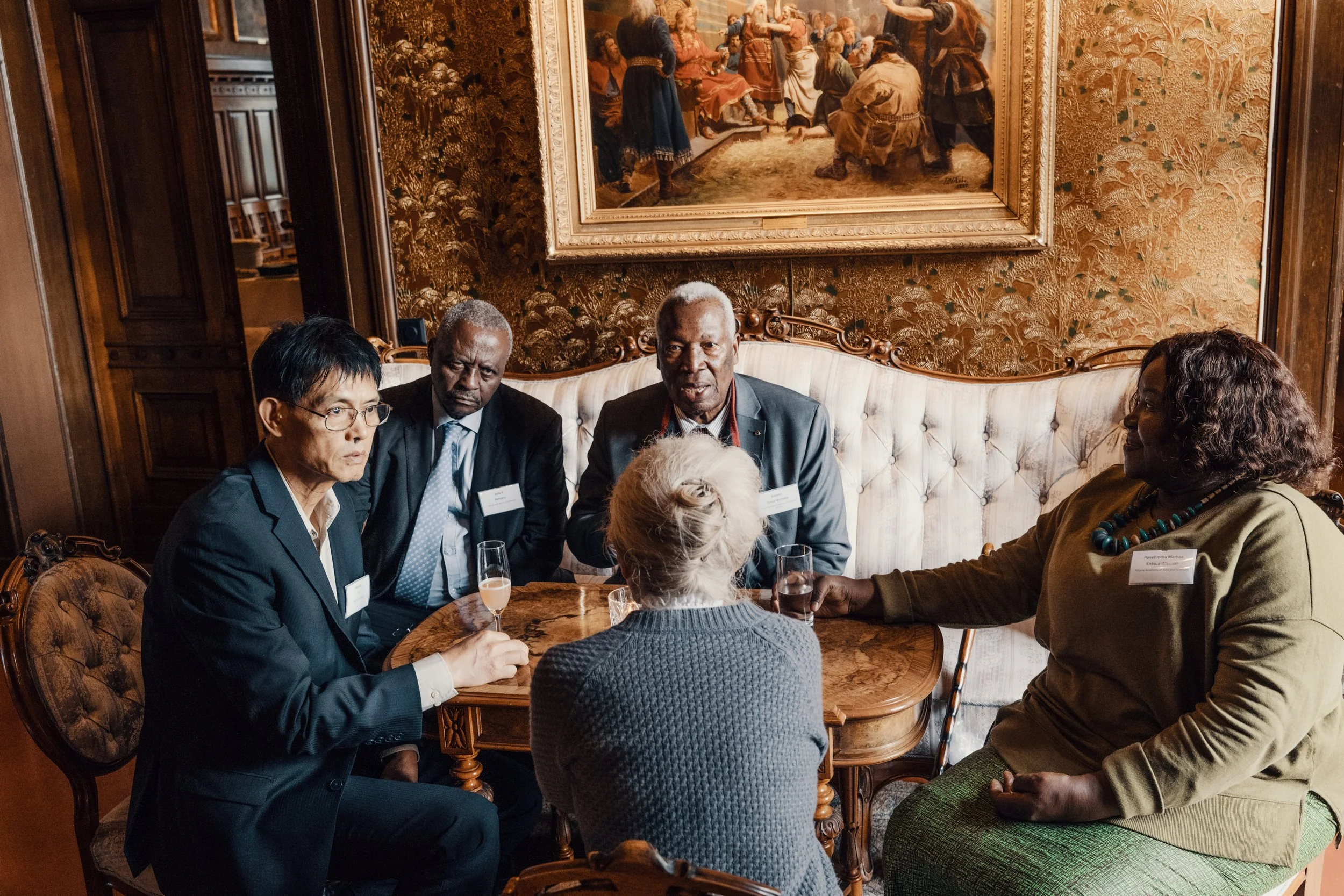
From September 9-11, 2025, the International Human Rights Network of Academies and Scholarly Societies (IHRN) held its fifteenth biennial meeting in Oslo, Norway, with a focus on urgent threats to human rights and academic freedom. The meeting, hosted by the Norwegian Academy of Science and Letters (DNVA), featured 53 participants from 38 national academies, along with other members of the academic and human rights communities. For any questions concerning the meeting, please contact the IHRN Secretariat.
Images © Ilja C. Hendel
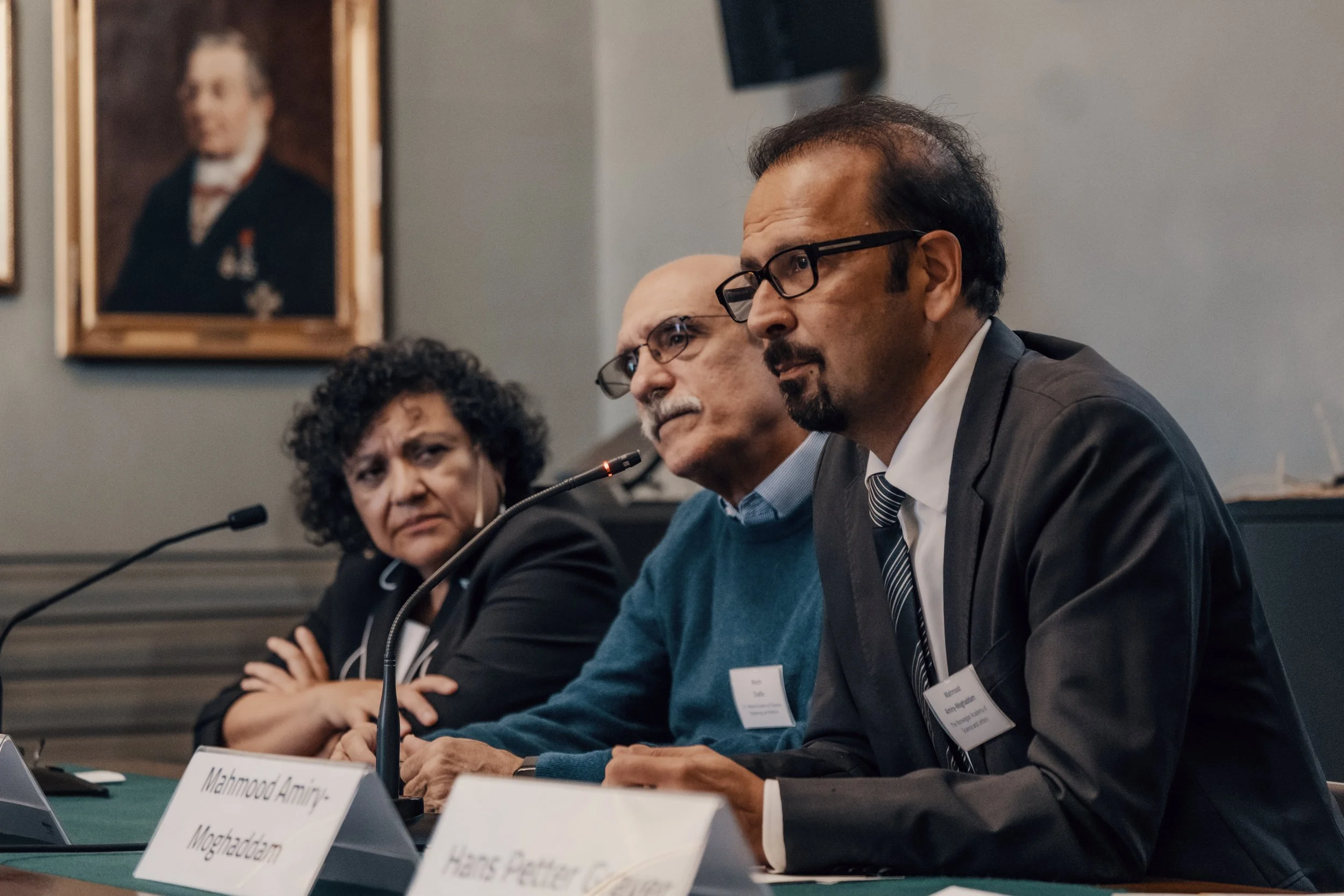

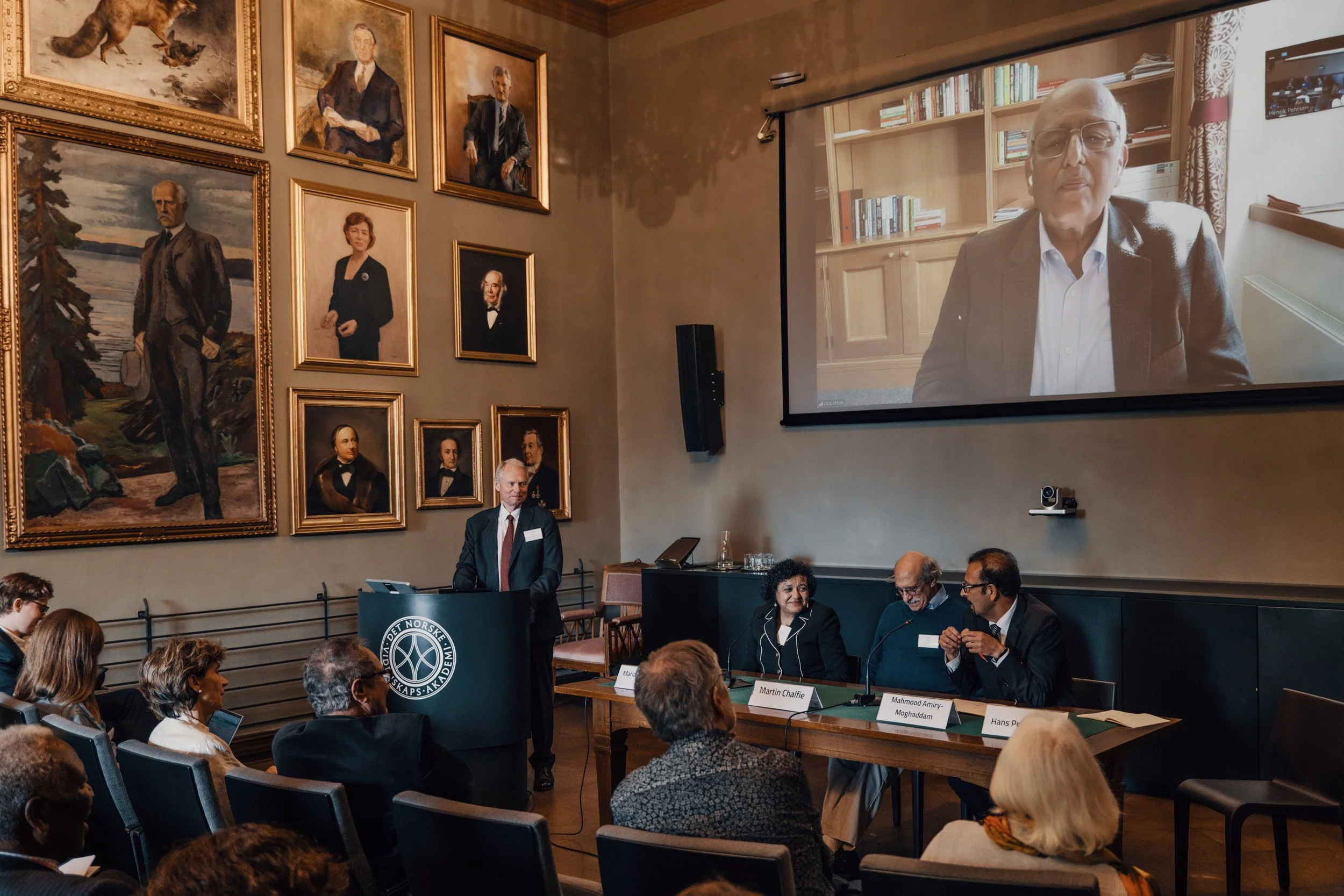
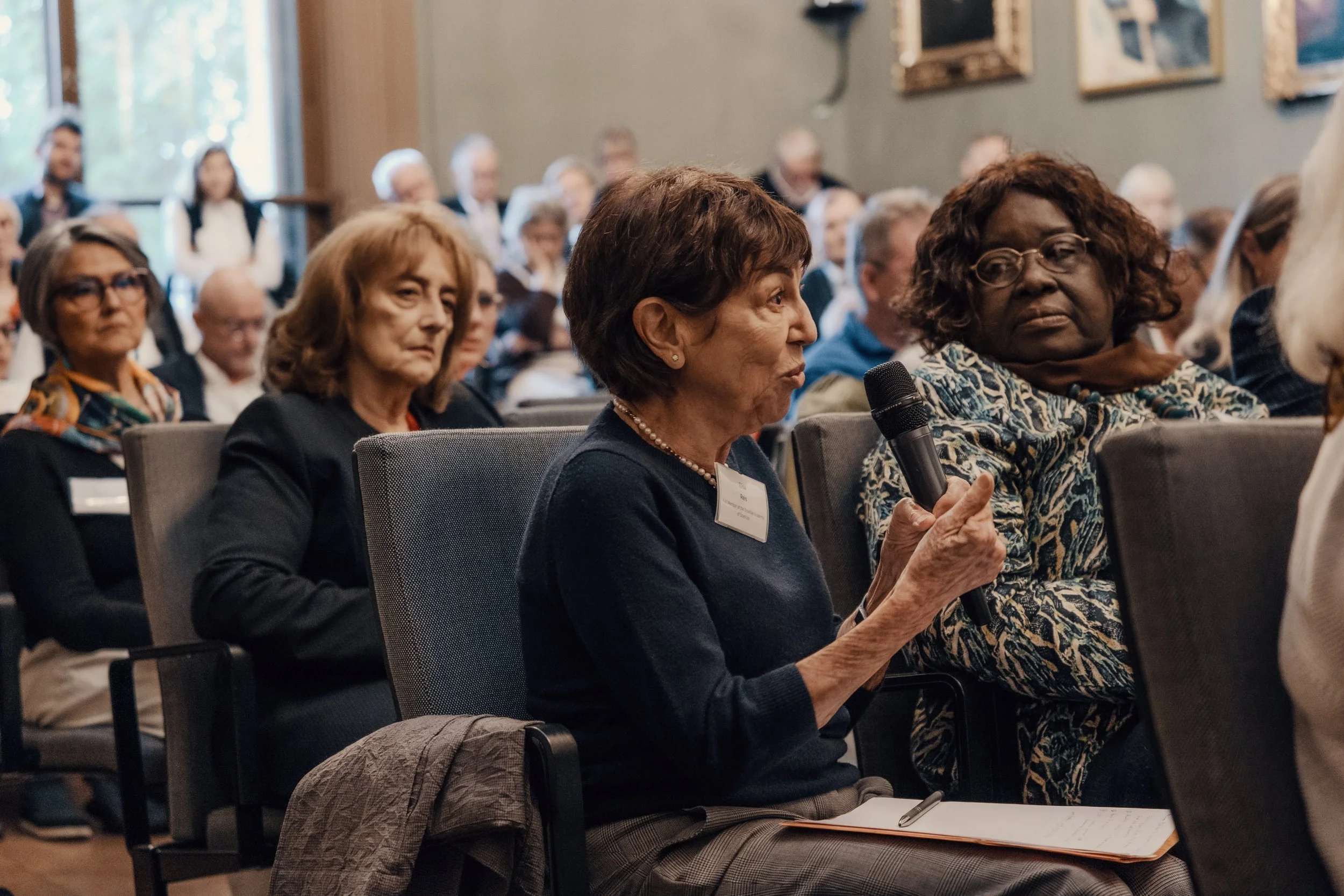

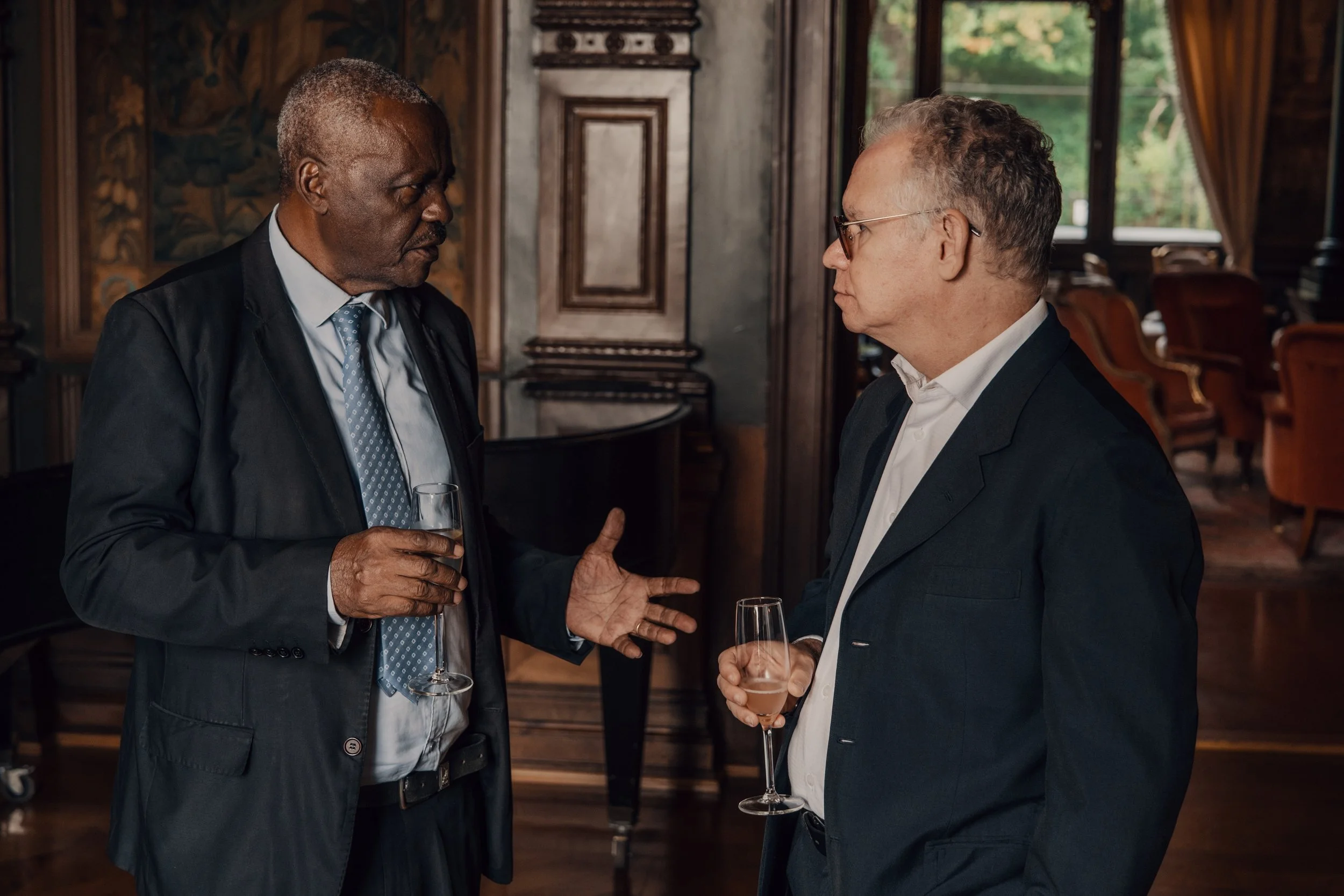
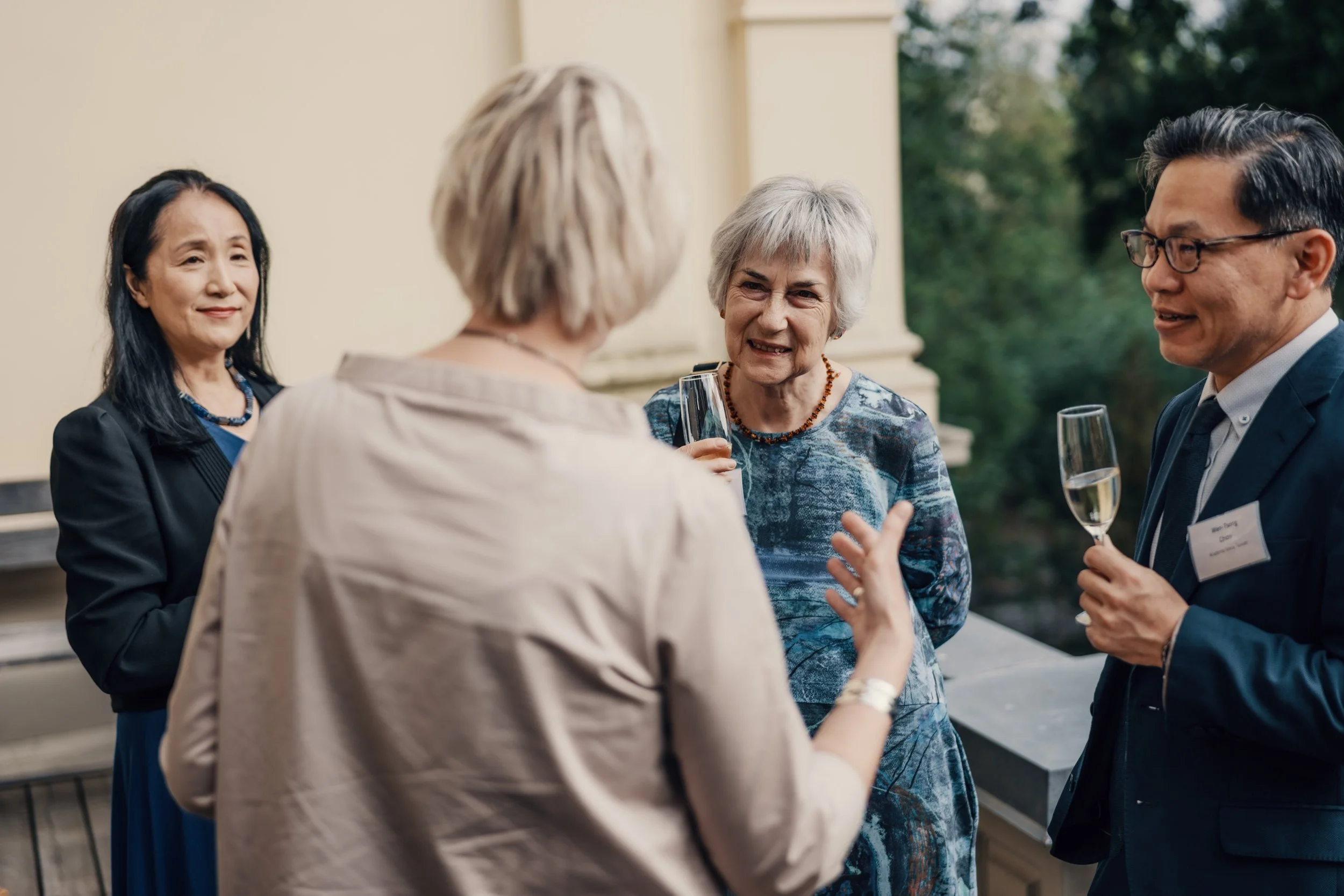
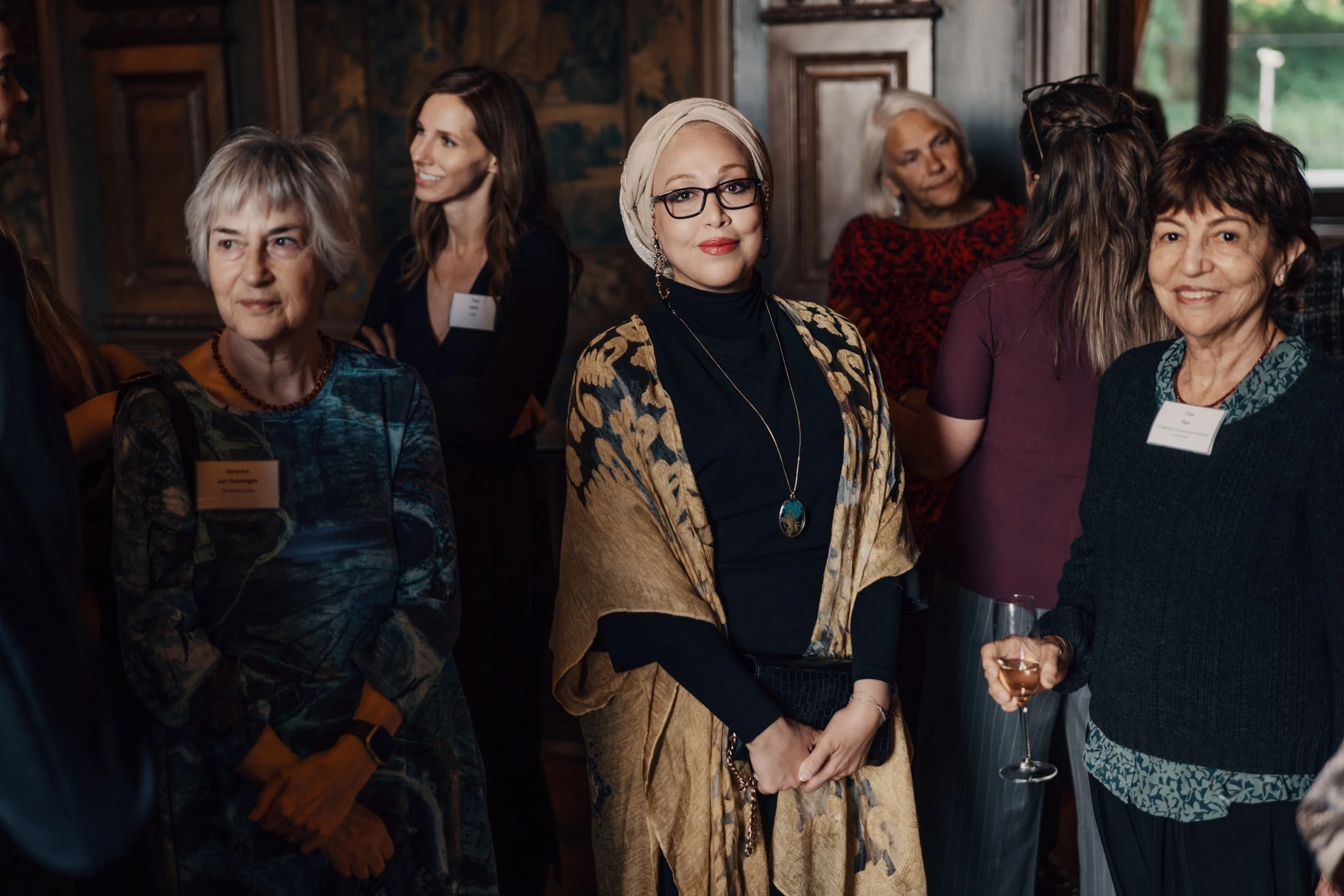



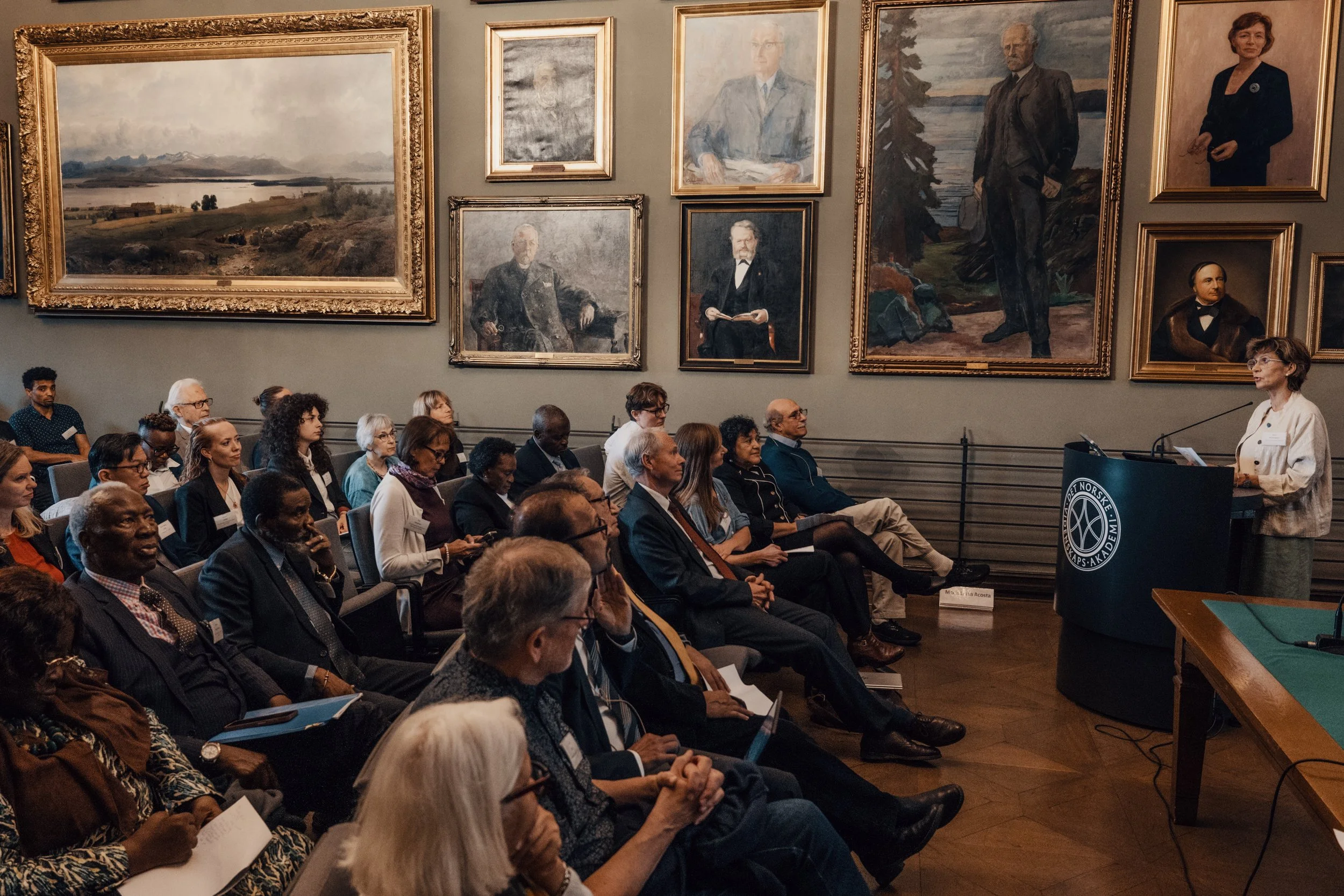
Symposium
Beginning on September 9, 2025, the three-day event began with a public symposium on the Relationship between Academic Freedom and Human Rights that was organized in cooperation with the IHRN Secretariat, the DNVA, and the Young Academy of Norway (AYF).
Symposium Sessions
Descriptions and Recordings
Session 1
The relationship between human rights and academic freedom
Human rights are an important element of academic freedom but have, in various ways, been challenged by state and non-state actors in academic settings. This session examined the connections between academic freedom and human rights, including as they relate to free speech. Panelists considered how an understanding of this relationship can inform responses by researchers, educators, students, and academic institutions to infringements of academic freedom.
Session 2
Promotion of scientific freedom and the safety of scientists
Throughout the world, scientists face threats as a result of their evidence-based research, compliance with professional ethics, and, in some cases, due to identity-based discrimination. The rise of authoritarian regimes and abuse of new technologies have compounded risks to the safety of scientists. This session examined initiatives that seek to strengthen the protection of scientists, including UNESCO’s Programme on the promotion of scientific freedom and the safety of scientists.
Session 3
The tension between academic freedom and national security
In many countries, governments have restricted the activities of scientists and scholars on grounds of national security, raising questions about when such restrictions violate individual rights and freedoms. This session explored questions such as: How should universities and scholars respond when government restrictions on research, scholarship, and international collaborations clash with the principles of free inquiry and open exchange of ideas that are vital to academic progress? How can national security be protected in a manner that is consistent with human rights standards and respect for academic freedom?
Session 4
In Conversation: How does AI pose challenges and opportunities for academic freedom?
The rise of artificial intelligence (AI) has raised concerns not only about the integrity of scholarly work, but also its potential to perpetuate biases and spread disinformation. Dr. Inge Jonassen and Dr. Taina Bucher, in a special conversation format, explored AI’s implications for academic freedom, including ways to harness the benefits of AI for scientific progress.

Session 5
Financing, academic freedom, and open access
Academic activities are increasingly dependent on powerful actors who, in different ways, control funds and resources that research depends on. Both private and public funders exercise influence and power through their control over resources. This session explored the complex relationship between academic freedom and open access including the power dynamics at play and implications for the global research environment and free pursuit of science. Questions for discussion included: Who actually owns academia, and what implications does the ownership structure have for the freedom of science and academic freedom?
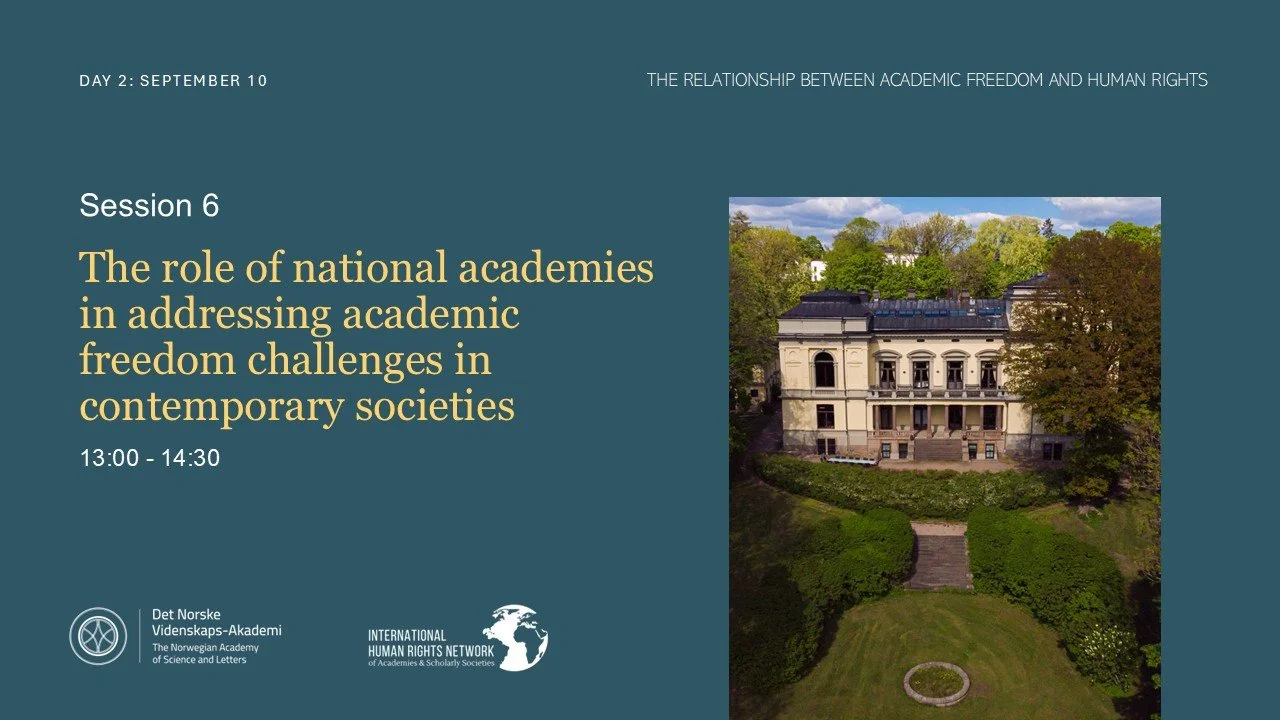
Session 6
The role of national academies in addressing academic freedom challenges in contemporary societies
In this session, panelists will highlight key ongoing and emerging challenges to academic freedom and their impact on human rights. Discussion included examination of the ways national academies can respond to these challenges, while promoting human rights.
Workshop
The final day of the event included a workshop, closed to members of the public. Workshop participants shared information about their human rights activities and discussed potential collaborative efforts.
Ahead of the workshop, Carlos Aguirre‑Bastos, member and former president of the National Academy of Sciences of Bolivia, shared a paper on the topic of financing, academic freedom, and human rights to inform a discussion on this topic at the meeting's workshop.